We use cookies to improve your experience and understand how PatternDesigners is used.
Benetton Group S.r.l. is an Italian global fashion company trading as United Colors of Benetton, based in Ponzano Veneto, Italy. Founded in 1965 when the Benetton family opened their first store in Belluno in the Veneto region of northern Italy, the company opened a Paris boutique in 1968 and built a global network of approximately 5,000 stores across most major markets. The company is a wholly owned subsidiary of Edizione, the Benetton family's holding company. Benetton was among the most prominent global fashion brands of the 1980s and 1990s but has been in sustained commercial decline since 2000, recording €180 million in losses in 2017 and €100 million in 2024. As of 2025, more than 418 store closures have been announced, with 180 already closed by 2024.
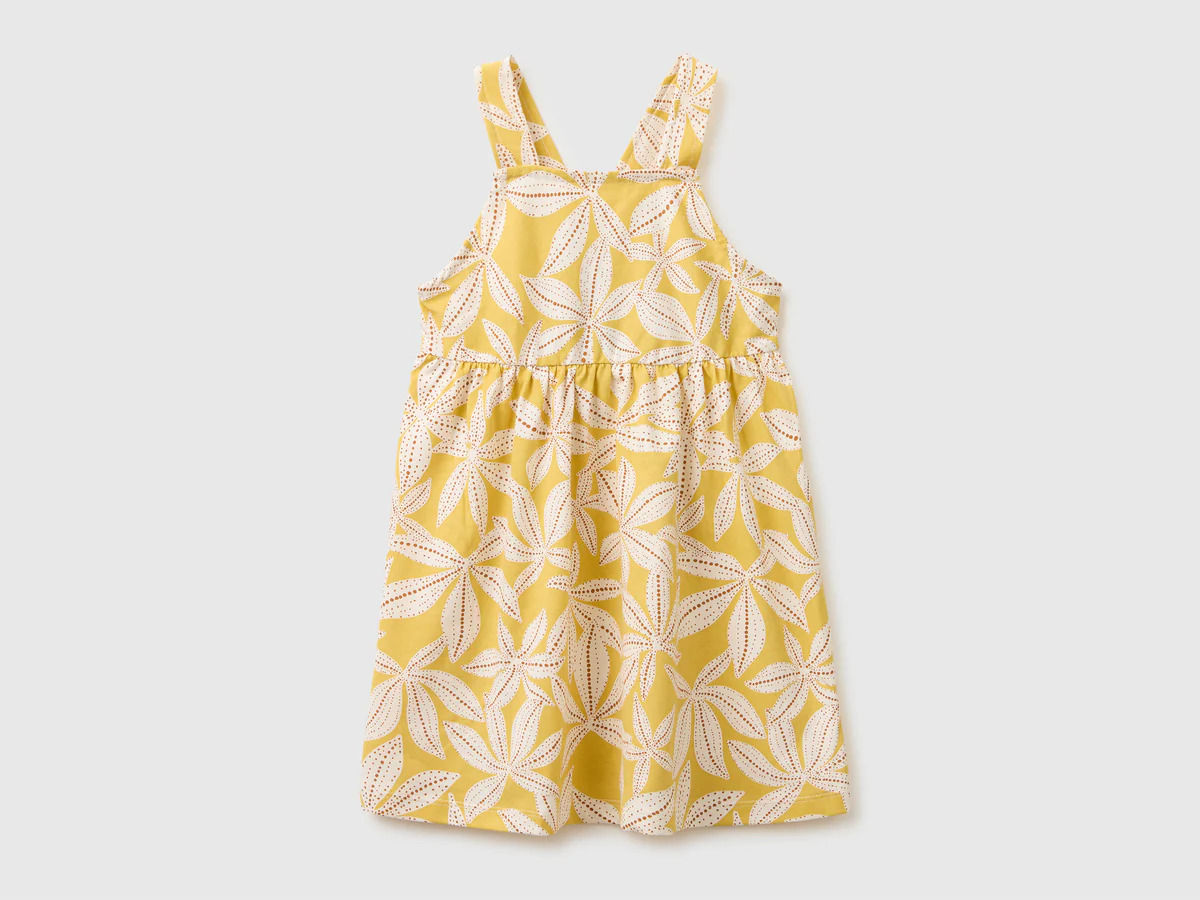
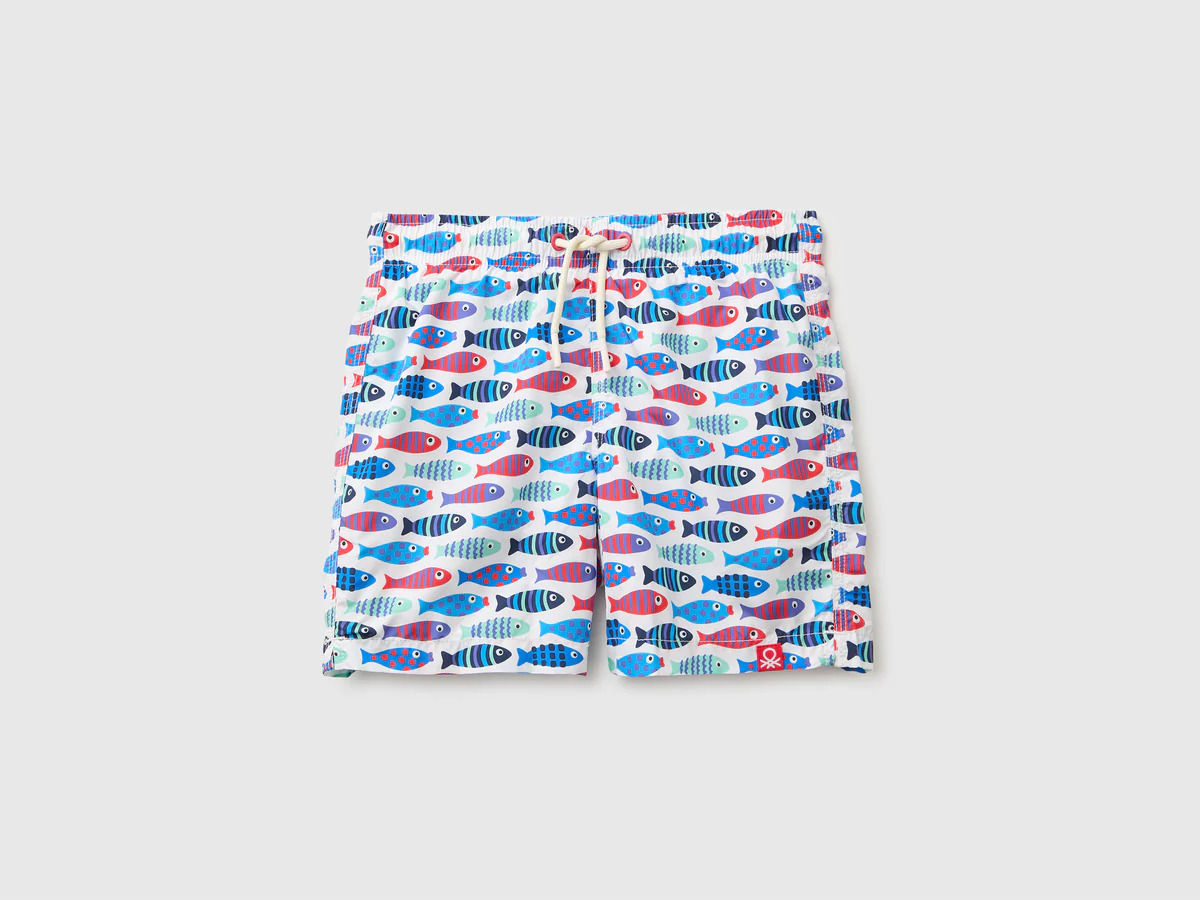
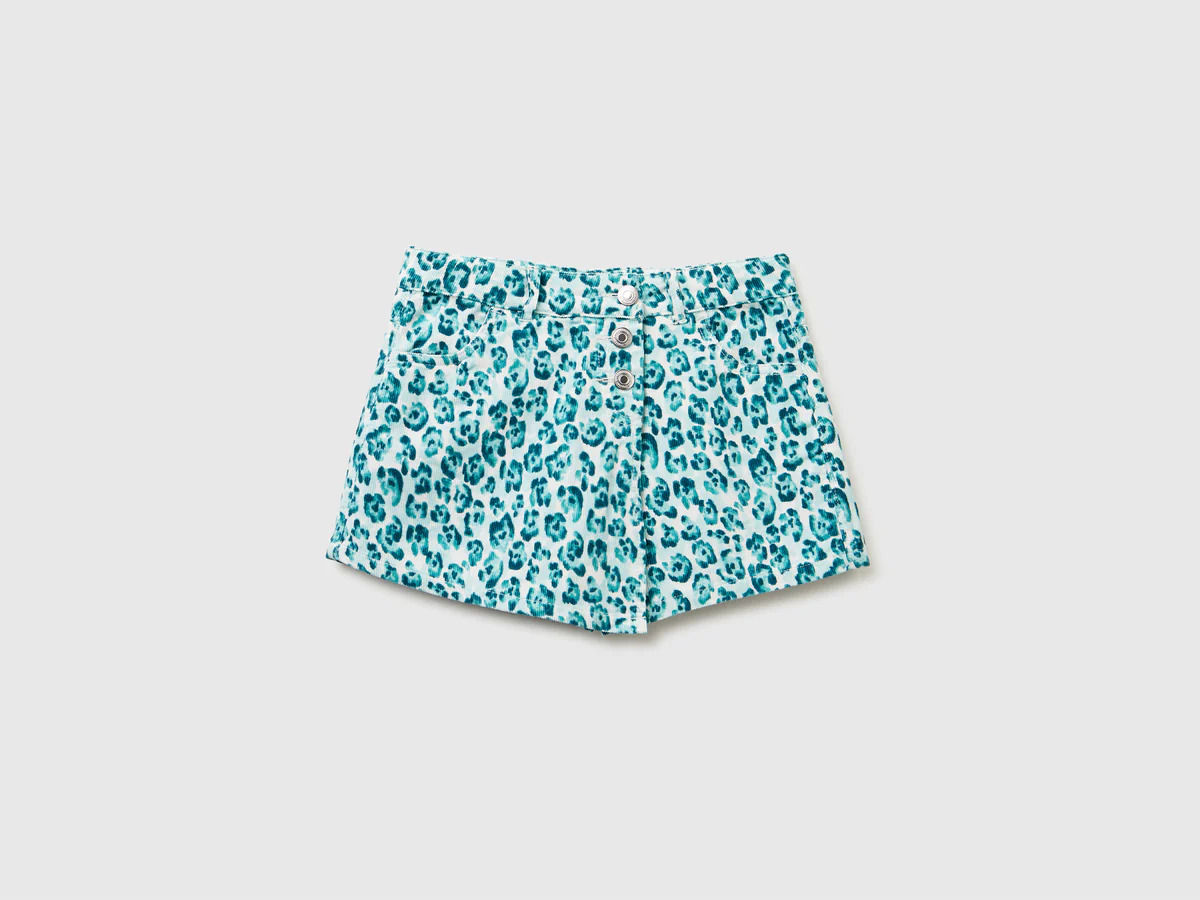
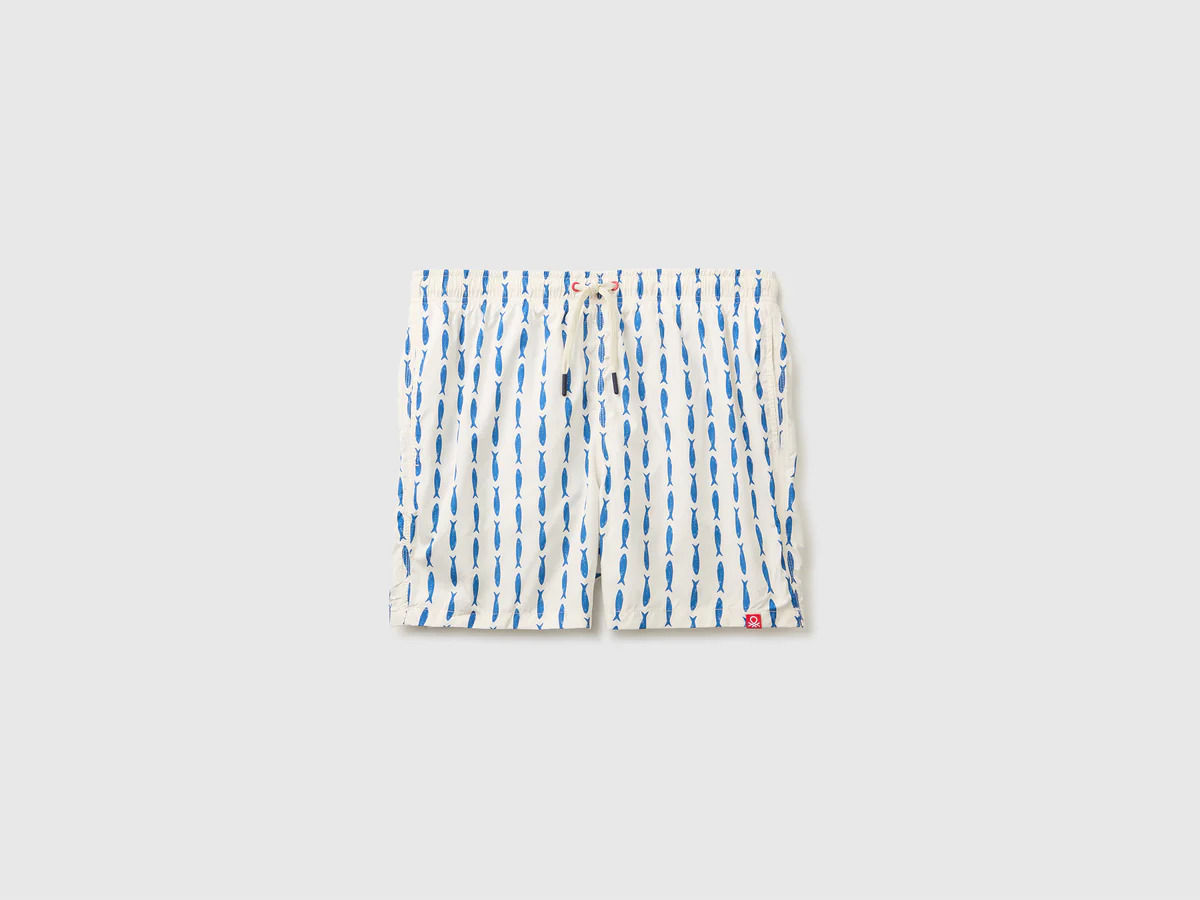
The United Colors of Benetton design identity is historically defined by bold colour use in accessible knitwear and the visual language of the Toscani advertising campaigns. Since 2000, the brand has struggled to define a compelling contemporary design direction, despite the de Castelbajac appointment and the Toscani re-engagement. The ongoing store closures and losses suggest the design revival efforts have not translated into commercial recovery. The 2017 Devbhumi collaboration signals an interest in craft-origin textile production as a brand narrative element.
The Benetton family launched its commercial fashion activity with affordable knitwear in bold colourways at a time when Italian fashion at that price point was largely conservative in colour. The brand's global expansion was primarily through a franchise model reaching approximately 5,000 stores at peak. The company was listed on the Milan Stock Exchange and delisted in 2012, returning to full Edizione family ownership. Luciano Benetton, who was 83 years old, returned from retirement in 2017 to lead revival efforts, which included appointing French designer Jean-Charles de Castelbajac as artistic director and re-appointing photographer Oliviero Toscani as creative lead. Massimo Renon was named CEO in March 2020; Renon was later accused of mismanagement by Luciano Benetton in May 2024 following announcement of a €100 million operating loss. Claudio Sforza became CEO and Christian Coco president in 2024. As of 2020, United Colors of Benetton had 1,500 direct employees and used 25,000 workers through subcontractors. The brand's Formula One involvement - from sponsoring Tyrrell in 1983 through full team ownership (Benetton Formula Ltd., acquired from Toleman 1985) to the sale of the team to Renault for $120 million in 2000 - reflects a period of brand visibility that coincided with Michael Schumacher's two Drivers' Championships (1994 and 1995) driving for Benetton.
Knitted garments, casual clothing, accessories, and footwear for men, women, and children under the United Colors of Benetton label and the secondary Sisley brand. Historically, knitwear in a wide range of colours was the foundational product category. In 2017, Benetton collaborated with Devbhumi (rural women artisans in Uttarakhand, India) on a special scarves collection - a documented textile surface design collaboration producing handcrafted scarves for the brand.
Benetton operates primarily through a franchise retail model. At peak approximately 5,000 stores globally; current network contracting with 418+ closures announced in 2024-2025. Wholesale and e-commerce complement franchise stores. The Sisley sub-brand operates within the Benetton Group corporate structure. No external licensing to third-party manufacturers is documented in source material - the group manufactures and distributes its own-label product through an international subcontractor supply chain. Documented supply chain controversies include: Rana Plaza building collapse (2013, Dhaka, Bangladesh - Benetton clothing found in the rubble; delayed and disputed compensation payments); Cambodian garment factory conditions (2017, documented by DanWatch/The Guardian); Uyghur forced labour supply chain connections (2023 EU report).
Benetton occupies the mainstream mid-market fashion segment in Europe, competing on accessible price, broad brand recognition, and a legacy of social and environmental advertising positioning. The brand ranked 75th in Interbrand's global brand ranking in 2000 but had dropped from the list by 2002. Despite revival attempts - including the de Castelbajac appointment and UNHATE campaign - the brand has not regained its 1980s-1990s iconic status. The ongoing store contraction (418+ closures announced) and recent operating losses indicate structural market challenges at the current scale of operations.
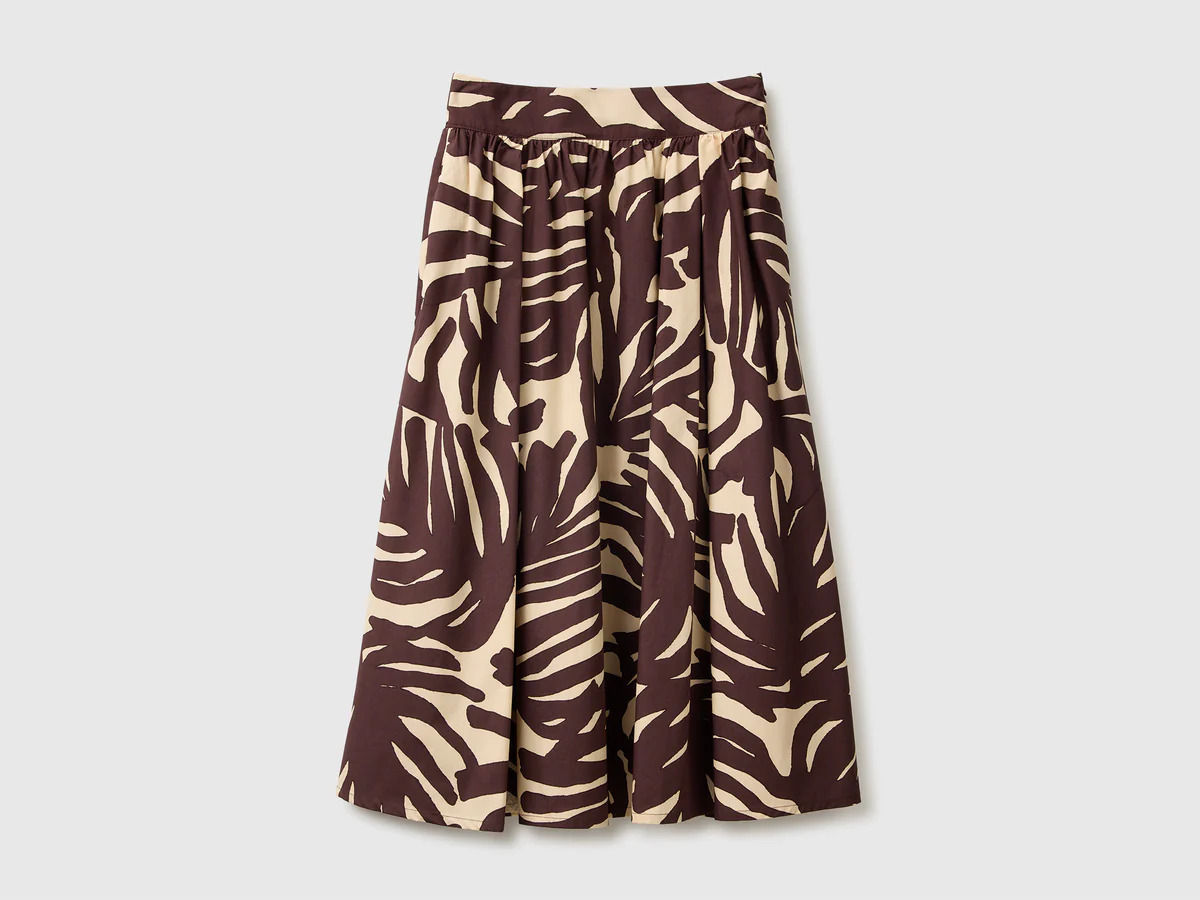
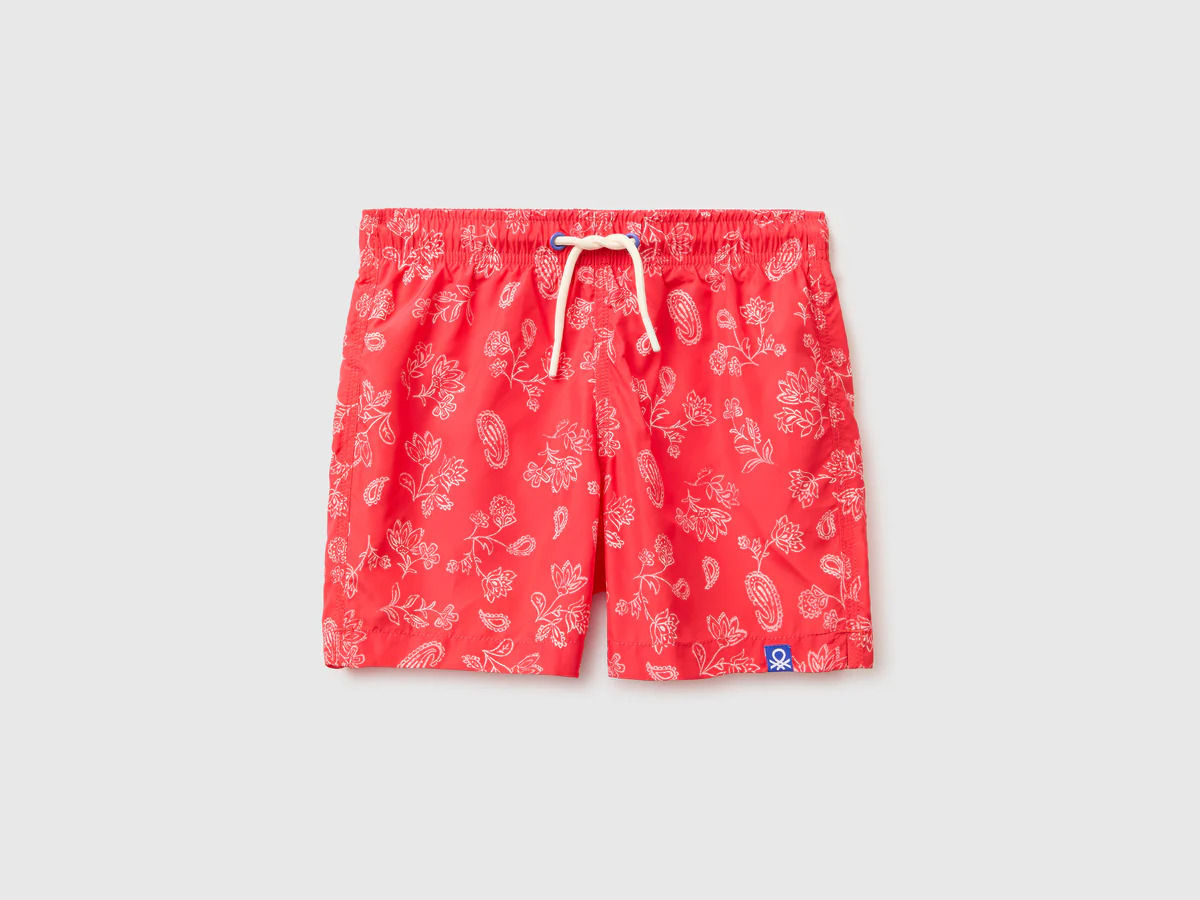
Benetton's core commercial identity is among the most directly colour and surface-design-centred in mainstream fashion history:
l. is an Italian global fashion company trading as United Colors of Benetton, based in Ponzano Veneto, Italy.
Benetton's core commercial identity is among the most directly colour and surface-design-centred in mainstream fashion history: Colour as brand identity ("United Colors of Benetton"): The brand name is a direct statement about surface design.
Knitted garments, casual clothing, accessories, and footwear for men, women, and children under the United Colors of Benetton label and the secondary Sisley brand. Historically, knitwear in a wide range of colours was the foundational product category.
Benetton occupies the mainstream mid-market fashion segment in Europe, competing on accessible price, broad brand recognition, and a legacy of social and environmental advertising positioning. The brand ranked 75th in Interbrand's global brand ranking in 2000 but had dropped from the list by 2002.
Benetton operates primarily through a franchise retail model. At peak approximately 5,000 stores globally; current network contracting with 418+ closures announced in 2024-2025. Wholesale and e-commerce complement franchise stores. The Sisley sub-brand operates within the Benetton Group corporate structure.
The Benetton family launched its commercial fashion activity with affordable knitwear in bold colourways at a time when Italian fashion at that price point was largely conservative in colour. The brand's global expansion was primarily through a franchise model reaching approximately 5,000 stores at peak.
Italy