We use cookies to improve your experience and understand how PatternDesigners is used.
Dolce & Gabbana is an Italian fashion house founded by Domenico Dolce (born 1958, Polizzi Generosa) and Stefano Gabbana (born 1962, Milan) in 1985 following their first women's collection at the New Talents section of Milan Fashion Week. Headquartered in Milan with production factories in Legnano and Incisa in Val d'Arno, the company operates across ready-to-wear, accessories, couture (Alta Moda), beauty, home décor, and licensed product categories. Revenue reached approximately $500 million in the late 1990s and $633.2 million in 2003. As of FY2024-25, the D&G Beauty division accounts for approximately 35% of total brand revenue. In April 2026, it was announced that Stefano Gabbana had resigned from the company in December 2025 and is exploring options to sell his 40% stake.
Dolce & Gabbana's design philosophy is explicitly Sicilian and Mediterranean Italian. Domenico Dolce describes the design process as "telling a story, similar to making a movie." Historical inspirations include: Italian cinema of the 1940s-1950s (Luchino Visconti's The Leopard, Anna Magnani, Sophia Loren), Greek mythology (1990 Spring/Summer, referencing Raphael), Renaissance and Baroque art, and the cultural patrimony of specific Italian regions - Sicily, Venice, Capri, Naples, Apulia - each of which has served as an Alta Moda show location and design source.
The Alta Moda programme has periodically engaged global cultural textile traditions: a Mexico City show (2018) referenced rebozos, Frida Kahlo-inspired hairstyles, and vibrant colour; an Alta Moda Tokyo presentation (2017) incorporated "Asian engravings and references to Renaissance painting, oriental and Baroque styles." The brand has faced significant controversy over racially insensitive marketing in China (2018, cancelled Shanghai show) and cultural appropriation in Hong Kong (2012 photography ban).
The founders met in 1982 while working for Giorgio Corregiari, an Italian fashion brand, and established their own design consulting studio in 1983. Their first women's collection (Geometrissimo, Spring/Summer 1986) was presented at Milan Fashion Week with improvised staging - friends served as models, personal items as accessories, and a sheet from Dolce's home as a stage curtain. An early collection built around Dolce's Sicilian roots - shot in Sicily in black and white by photographer Ferdinando Scianna - defined the brand's design core: Mediterranean Italy, 1940s Italian cinema, and the "Sicilian Dress" silhouette.
In 1994, a diffusion line, D&G, was launched for a younger demographic (produced by Ittierre; watches under licence from Naloni and the Binda Group). The D&G line was merged back into the main label in 2011. The Alta Moda haute couture line launched at Taormina, Sicily in July 2012. In 2022, Dolce & Gabbana established D&G Beauty as a dedicated in-house subsidiary to manage cosmetics and fragrance, previously operated under external licensing; by FY2024-25 the beauty division generates approximately 35% of total revenue.
Dolce & Gabbana distributes primarily through its own boutiques and concessions in department stores across 80 countries. The D&G diffusion line (1994-2011) was produced and distributed by Ittierre under licence. Eyewear remains under Luxottica licence (renewed to 2029). In 2022, the company brought beauty in-house via D&G Beauty; fragrance accounted for ~95% of beauty revenue in 2022, colour cosmetics growing to 10-20% by 2023, with the division now representing ~35% of total revenue by FY2024-25.
The NFT collection Collezione Genesi (2021, with UNXD, 9 pieces sold for 1,885.719 ETH ≈ $5.7 million) was among the first fashion-house NFT offerings, involving both physical and digital design objects. The company won the CNMI Sustainable Fashion Awards Craft and Artisanship Award in 2023.
Dolce & Gabbana is positioned in the luxury fashion and accessories tier. As of 2009, the brand operated 93 boutiques, 11 factory outlets, and distributed through department stores in 80 countries (251 mono-brand stores total). The New Yorker observed in 2005 that "Dolce and Gabbana are becoming to the two-thousands what Prada was to the nineteen-nineties." The brand's distinctiveness as a print-driven, culturally saturated luxury label places it in direct dialogue with Versace and Roberto Cavalli in terms of textile and surface design language.
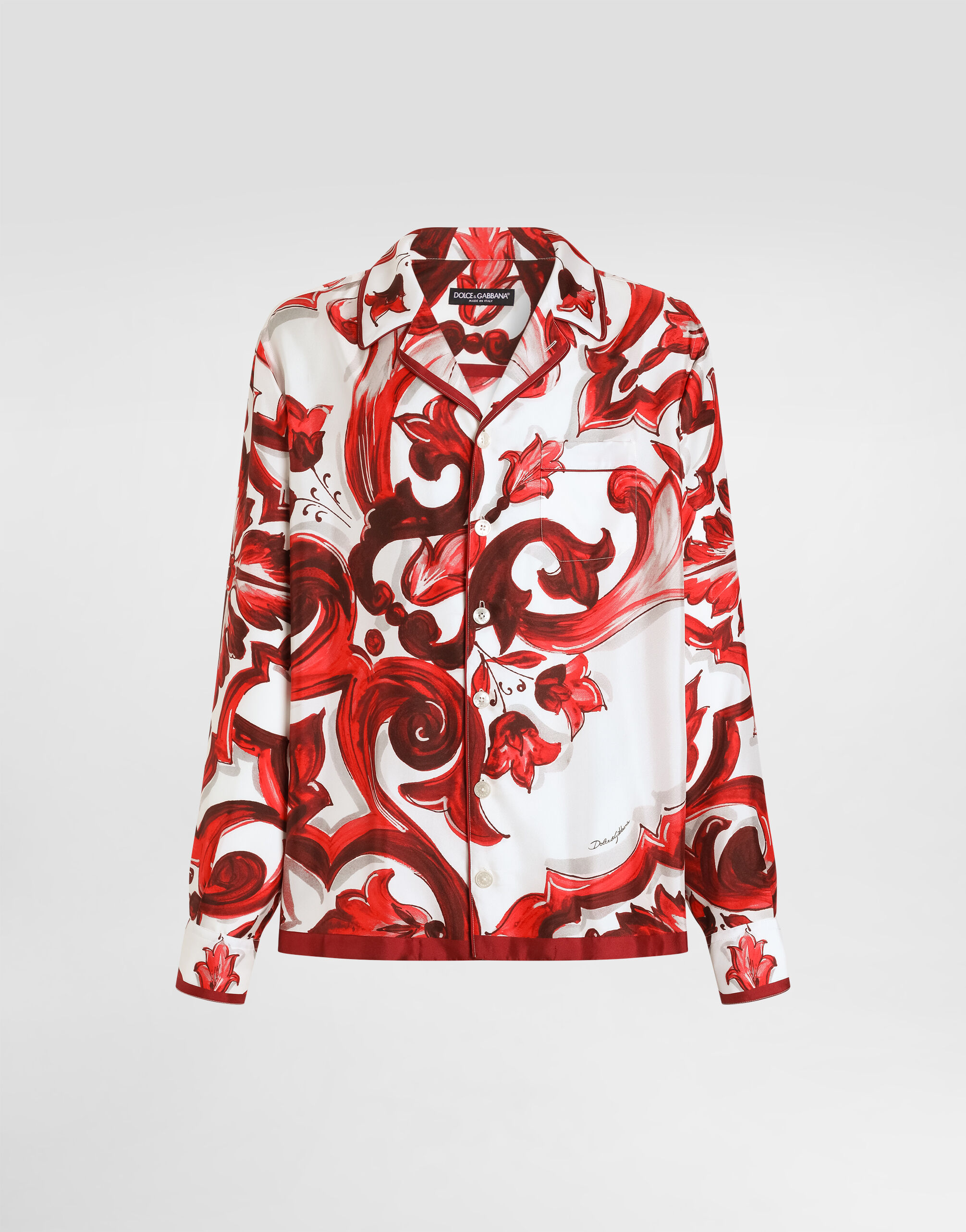
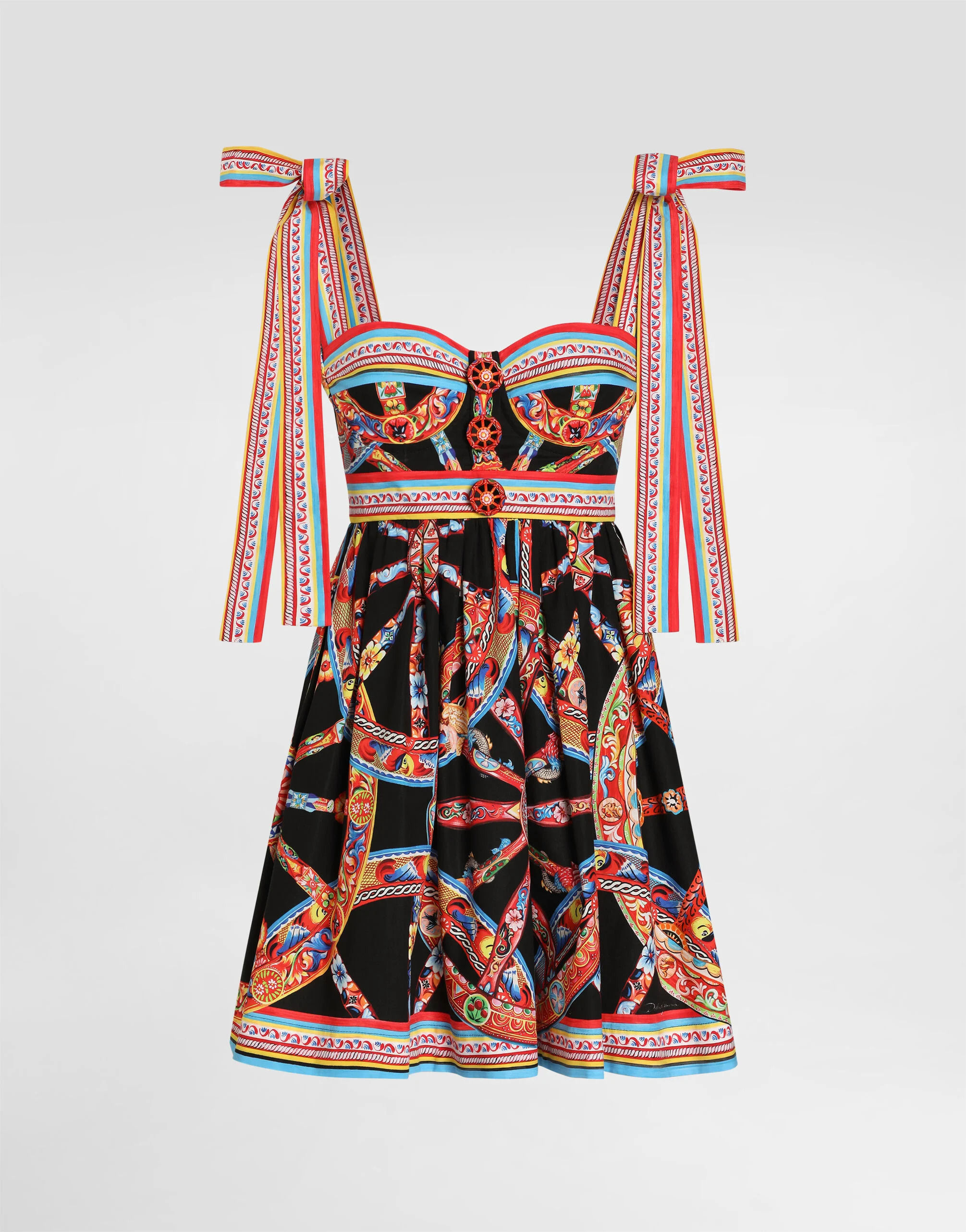
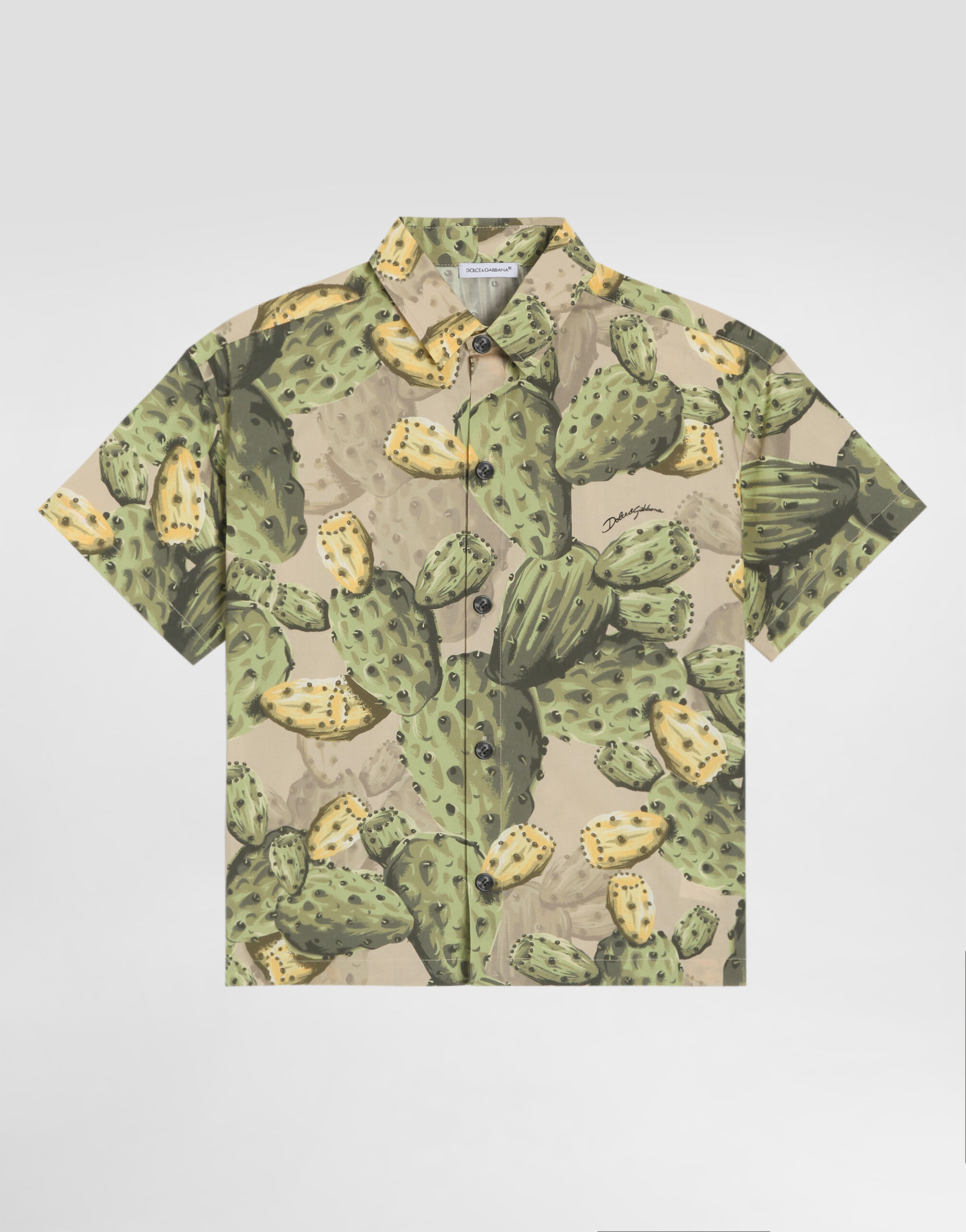
Dolce & Gabbana is one of the most pattern-intensive luxury brands in the market, with a documented surface design vocabulary spanning:
Dolce & Gabbana is an Italian fashion house founded by Domenico Dolce (born 1958, Polizzi Generosa) and Stefano Gabbana (born 1962, Milan) in 1985 following their first women's collection at the New Talents section of Milan Fashion Week.
Dolce & Gabbana is positioned in the luxury fashion and accessories tier. As of 2009, the brand operated 93 boutiques, 11 factory outlets, and distributed through department stores in 80 countries (251 mono-brand stores total).
Dolce & Gabbana distributes primarily through its own boutiques and concessions in department stores across 80 countries. The D&G diffusion line (1994-2011) was produced and distributed by Ittierre under licence. Eyewear remains under Luxottica licence (renewed to 2029).
The founders met in 1982 while working for Giorgio Corregiari, an Italian fashion brand, and established their own design consulting studio in 1983.
Italy