We use cookies to improve your experience and understand how PatternDesigners is used.
Hugo Boss AG is a German fashion company headquartered in Metzingen, Baden-Württemberg, founded by Hugo Ferdinand Boss in 1924. The company operates two distinct brands: BOSS, targeting Millennials with upscale business and leisure clothing; and HUGO, targeting Gen Z across both genders with a more contemporary and directional aesthetic. The HUGO Blue denim sub-brand launched in February 2024. Hugo Boss is listed on the Frankfurt Stock Exchange (MDAX) with €4.27 billion in revenue and €249 million net income for 2024, and 17,527 employees. As of September 2025, the shareholder structure is: Free float 59%, Frasers Group 25%, Marzotto family 14%, Treasury 2%. CEO is Daniel Grieder (since June 2021); Creative Director is Marco Falcioni (since 2022). The company operates 1,532 own retail points worldwide.
Marco Falcioni has served as Creative Director since 2022. Jason Wu served as artistic director for Boss Womenswear 2013-2018. The BOSS brand direction under Grieder (CEO from 2021) has moved toward a premium casual positioning - less formal suiting, more lifestyle. HUGO pursues a deliberately more directional, contemporary aesthetic. The Naomi Campbell collaboration (February 2024) and David Beckham partnership (May 2024) reflect a strategy of brand-building through high-profile fashion and sport crossover figures. For Boss Home, licensed design direction is managed by the home textiles licensee rather than the Metzingen design team.
Hugo Boss has evolved from a German workwear and uniform manufacturer (1920s-1940s) to a globally recognised premium fashion group. The company was publicly listed in 1985 and grew through an aggressive global retail expansion from the 1990s onward. Key strategic milestones include: the separation of BOSS and HUGO as distinct brands with differentiated target audiences; acquisition of minority investment in Heiq Aeoniq LLC, a cellulose fibre startup (2022), with integration of Aeoniq materials into commercial collections (2023); the launch of Boss Home (home textiles licensed category, 2011); and Boss Equestrian (riding apparel, in partnership with Bold Equestrian Ltd, from August 2023). The company discontinued the Hugo Boss Prize (Guggenheim Foundation arts award, 1996-2022). Major strategic brand partnerships from 2022 onward include Aston Martin Formula 1 (July 2022+), David Beckham multi-year commercial and collection partnership (announced May 2024), and VfB Stuttgart official outfitter (September 2024).
Hugo Boss operates 1,532 owned retail points worldwide (shops, concessions, outlets). The licensing model underpins several major product categories: Coty (fragrances), CWF/Children Worldwide Fashion (children's fashion), Movado (watches), and Safilo (eyewear). Boss Home is also a licensed category. The Formula 1 sponsorship history (McLaren, 1981-2014; Aston Martin F1 partner from July 2022+; Fernando Alonso brand ambassador from 2023) is a high-visibility brand activation rather than a direct commercial arrangement. VfB Stuttgart (official outfitter, September 2024) represents a German football partnership with regional relevance. Boss Equestrian (Bold Equestrian Ltd, August 2023) enters the equestrian apparel market - a specialist category with strong pattern and textile design traditions.
Hugo Boss occupies the premium-to-luxury-adjacent segment of menswear, with a growing womenswear and casual positioning. Geographically, the group has strong European roots and significant Asia-Pacific presence. The Frasers Group (25% shareholder) and Marzotto family (14%) represent the two most significant concentrated shareholding positions. With 1,532 owned retail points globally, Boss has a substantial direct retail footprint. Competitors include Burberry, Hugo Boss's German peer Porsche-linked brands, and international premium casual brands in the €200-800 price segment. The HUGO sub-brand positions the group in the contemporary Gen Z market, historically dominated by Zara, COS, and international fast-fashion upstarts.
Hugo Boss has direct and significant surface pattern design relevance across several product categories.
Boss Home (bed linen, towelling, home textiles) is the most direct SPD application: home textiles require repeat pattern design, colourway development, and surface treatment in categories that parallel the wallpaper and furnishing textiles markets.
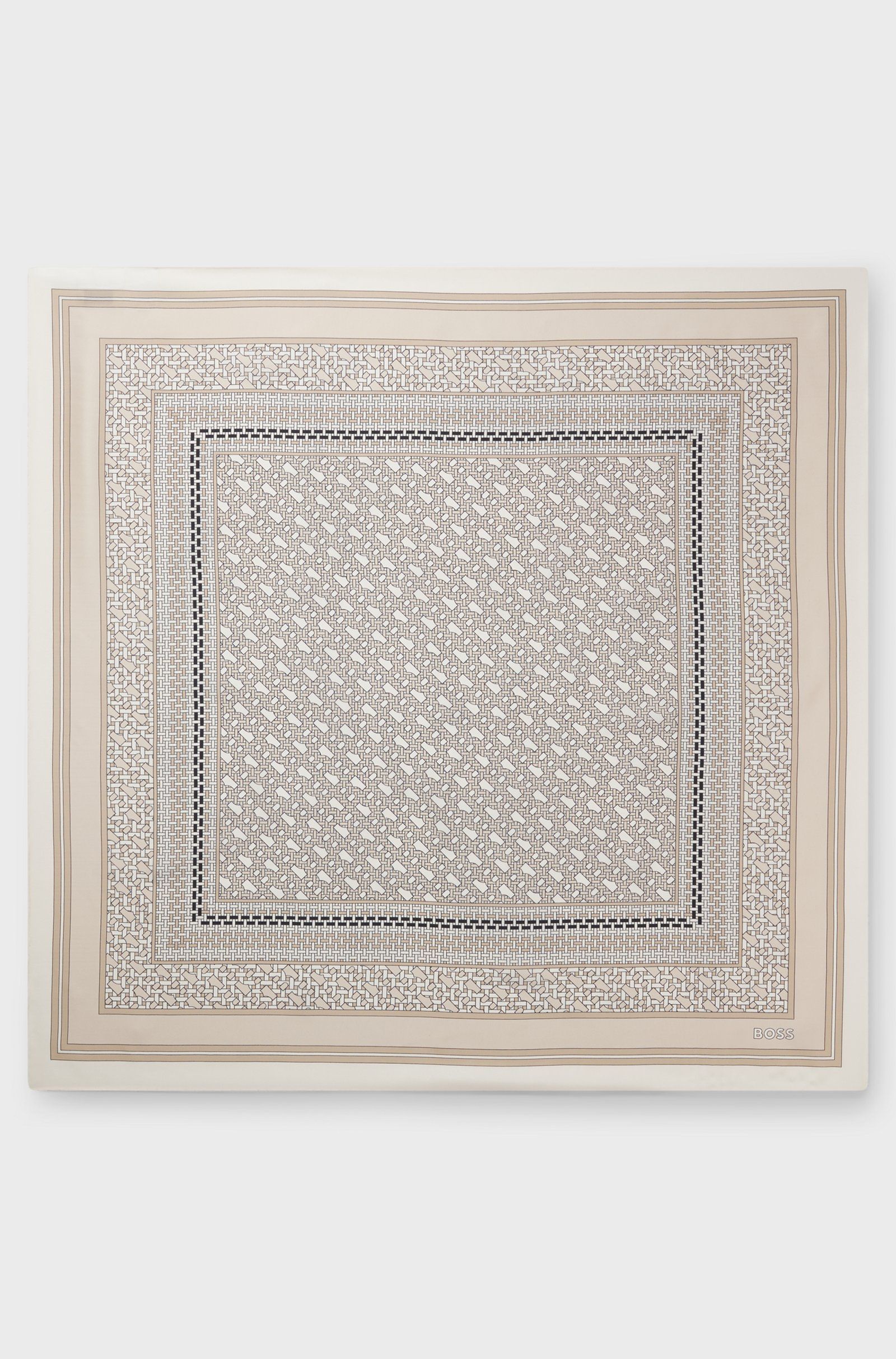
Licensed accessories - including watches (Movado), eyewear (Safilo), and fragrance packaging (Coty) - require brand-consistent surface graphics, material surface treatments, and pattern application across product categories.
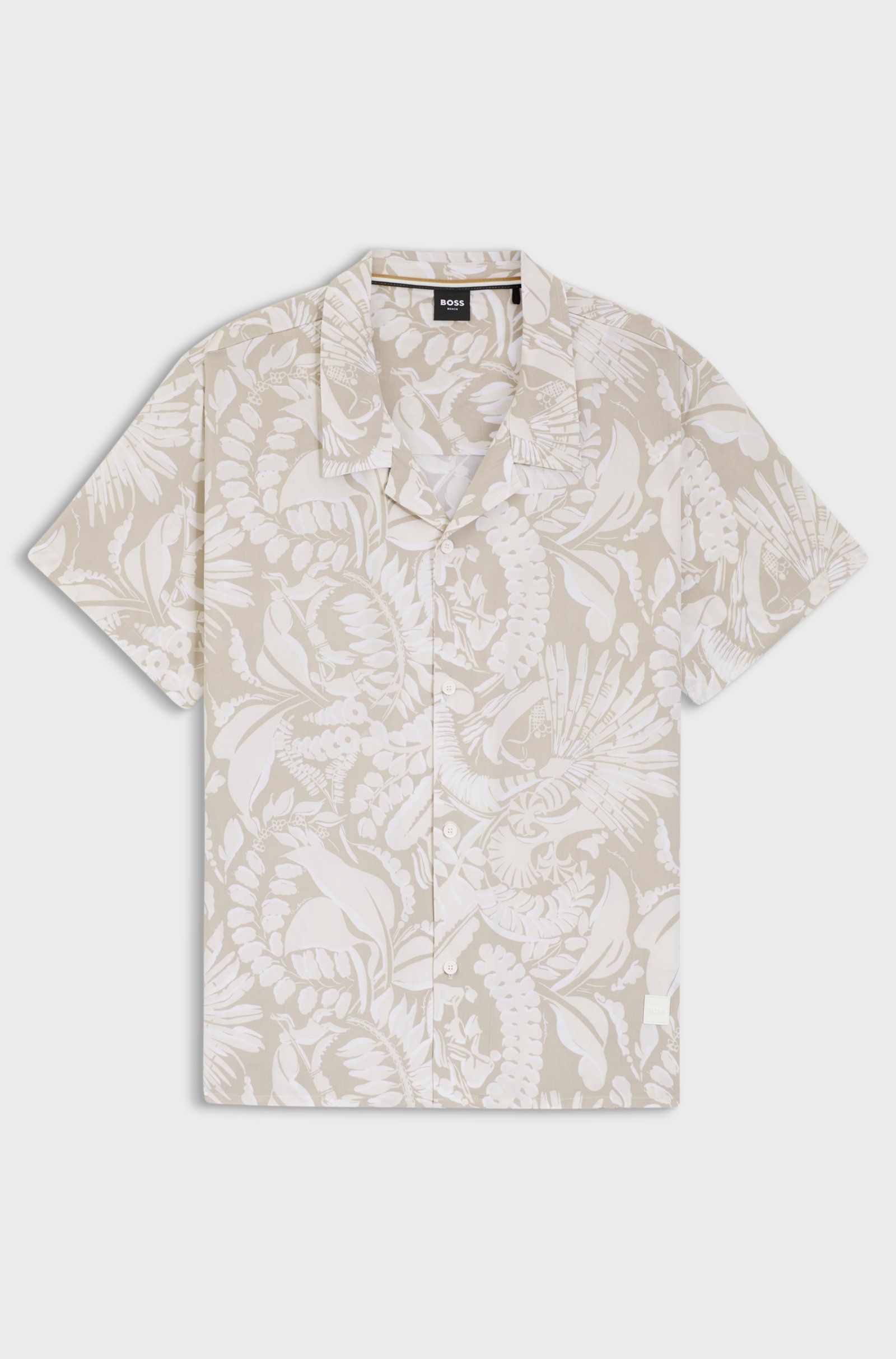
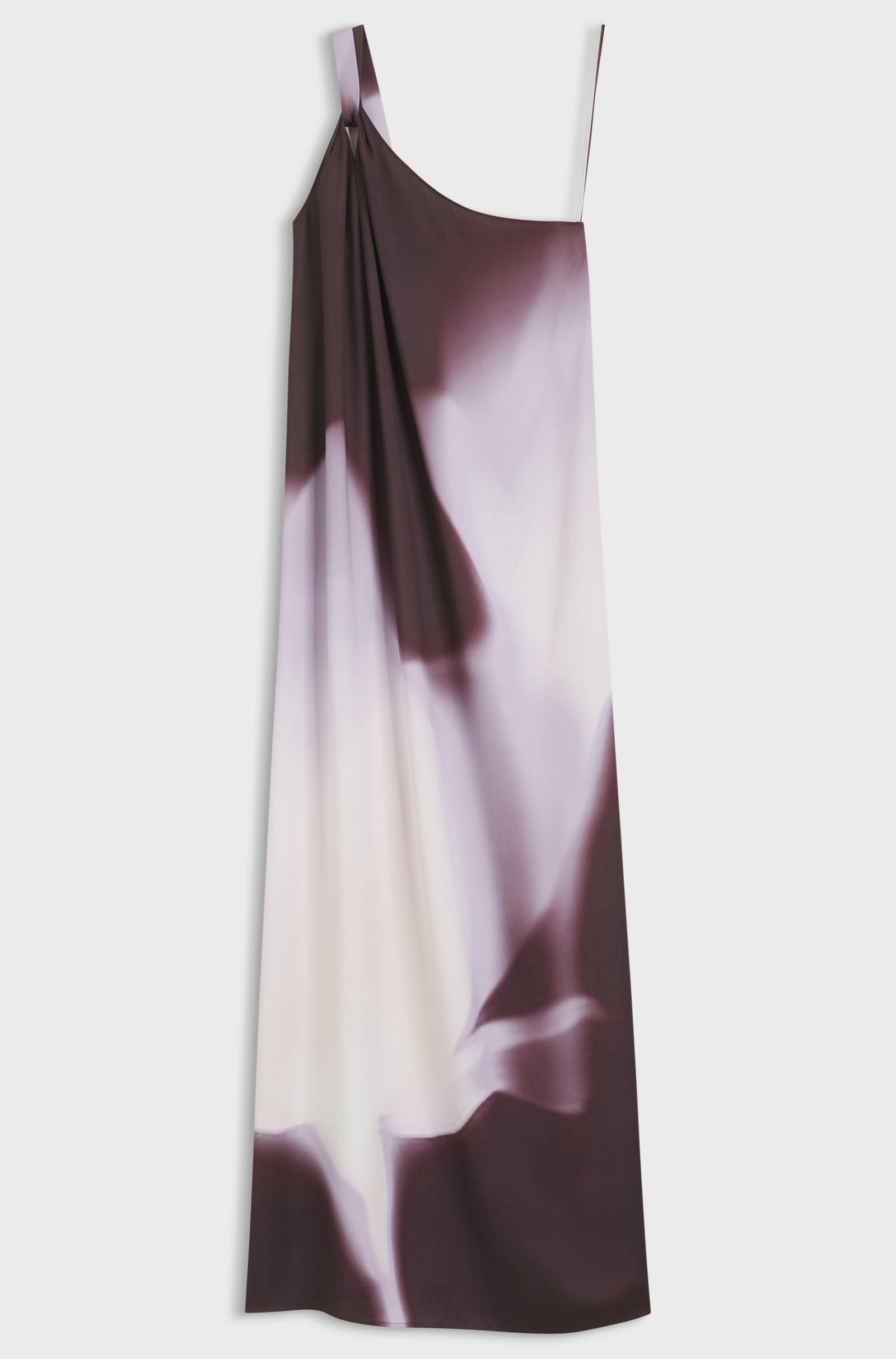
BOSS and HUGO clothing uses woven and printed surface patterns throughout collections: suiting fabrics (checks, houndstooth, fine stripes), casual prints (HUGO), and seasonal pattern directions. The Naomi Campbell Boss collection (February 2024) and David Beckham collections demonstrate the brand's use of high-profile creative collaborations that involve design direction and surface treatment decisions.
Hugo Blue (denim, February 2024) extends the group's surface design work into denim finishes, washes, and graphic applications.
Heiq Aeoniq (cellulose fibre investment, 2022; integrated into collections 2023) signals an interest in material innovation and sustainable surface textile development - relevant to the technical textile and material design dimension of SPD.
Hugo Boss AG is a German fashion company headquartered in Metzingen, Baden-Württemberg, founded by Hugo Ferdinand Boss in 1924.
Hugo Boss has direct and significant surface pattern design relevance across several product categories.
Hugo Boss occupies the premium-to-luxury-adjacent segment of menswear, with a growing womenswear and casual positioning. Geographically, the group has strong European roots and significant Asia-Pacific presence.
Hugo Boss operates 1,532 owned retail points worldwide (shops, concessions, outlets). The licensing model underpins several major product categories: Coty (fragrances), CWF/Children Worldwide Fashion (children's fashion), Movado (watches), and Safilo (eyewear). Boss Home is also a licensed category.
Hugo Boss has evolved from a German workwear and uniform manufacturer (1920s-1940s) to a globally recognised premium fashion group. The company was publicly listed in 1985 and grew through an aggressive global retail expansion from the 1990s onward.
Germany