We use cookies to improve your experience and understand how PatternDesigners is used.
J.Crew Group, Inc. is an American multi-brand, multi-channel specialty retailer offering women's, men's, and children's apparel and accessories. The business originated in 1947 as Popular Merchandise, Inc. (operating as Popular Club Plan), selling low-priced women's clothing through in-home demonstrations. The company relaunched as a catalog operation in the early 1980s, targeting upper-middle-class customers with a preppy aesthetic positioned as "a Ralph Lauren look at a much lower price." It became J.Crew, Inc. in 1983, opened its first retail store in 1989 in Manhattan's South Street Seaport, and grew into a multi-channel brand with over 500 retail locations at its peak. The company filed for Chapter 11 bankruptcy in May 2020 and successfully exited in September 2020, closing all six UK stores in the process.
Preppy American aesthetic with a fabric-quality and material-character emphasis. Under Jenna Lyons (creative director 2010-2017), the brand developed a reputation for irreverent pattern mixing and colour-blocking applied to a classic American wardrobe base - a direction noted in trade coverage of her tenure, though not detailed in the source material. Madewell operates with a distinct identity centred on vintage-referencing denim and casualwear.
Catalog operation launched 1983; 24 editions per year at peak, with more than 80 million copies distributed annually. Catalog photography emphasised close-up shots of fabrics alongside full-garment images - an early signal of the brand's textile and material positioning. First retail store: South Street Seaport, Manhattan, March 1989.
Texas Pacific Group acquired a majority stake in October 1997. In 2004, J.Crew acquired the rights to the defunct 1937 workwear brand Madewell, relaunching it from 2006 as a sub-brand targeting younger women. A $3 billion leveraged buyout by TPG Capital and Leonard Green & Partners took the company private again in 2011. At peak (2018 reporting), the group operated 506 stores: 203 J.Crew, 129 Madewell, and 174 J.Crew Factory (including 42 J.Crew Mercantile) outlet locations. 76 stores in Japan were operated under licence by ITOCHU Corporation.
Creative director and president Jenna Lyons led the brand from 2010 until her departure in April 2017. CEO Mickey Drexler (arrived 2003) stepped down in June 2017 after 14 years. Libby Wadle, formerly president of the Madewell brand, became CEO in November 2020 following the bankruptcy restructuring. J.Crew Home sub-brand was dissolved in November 2018.
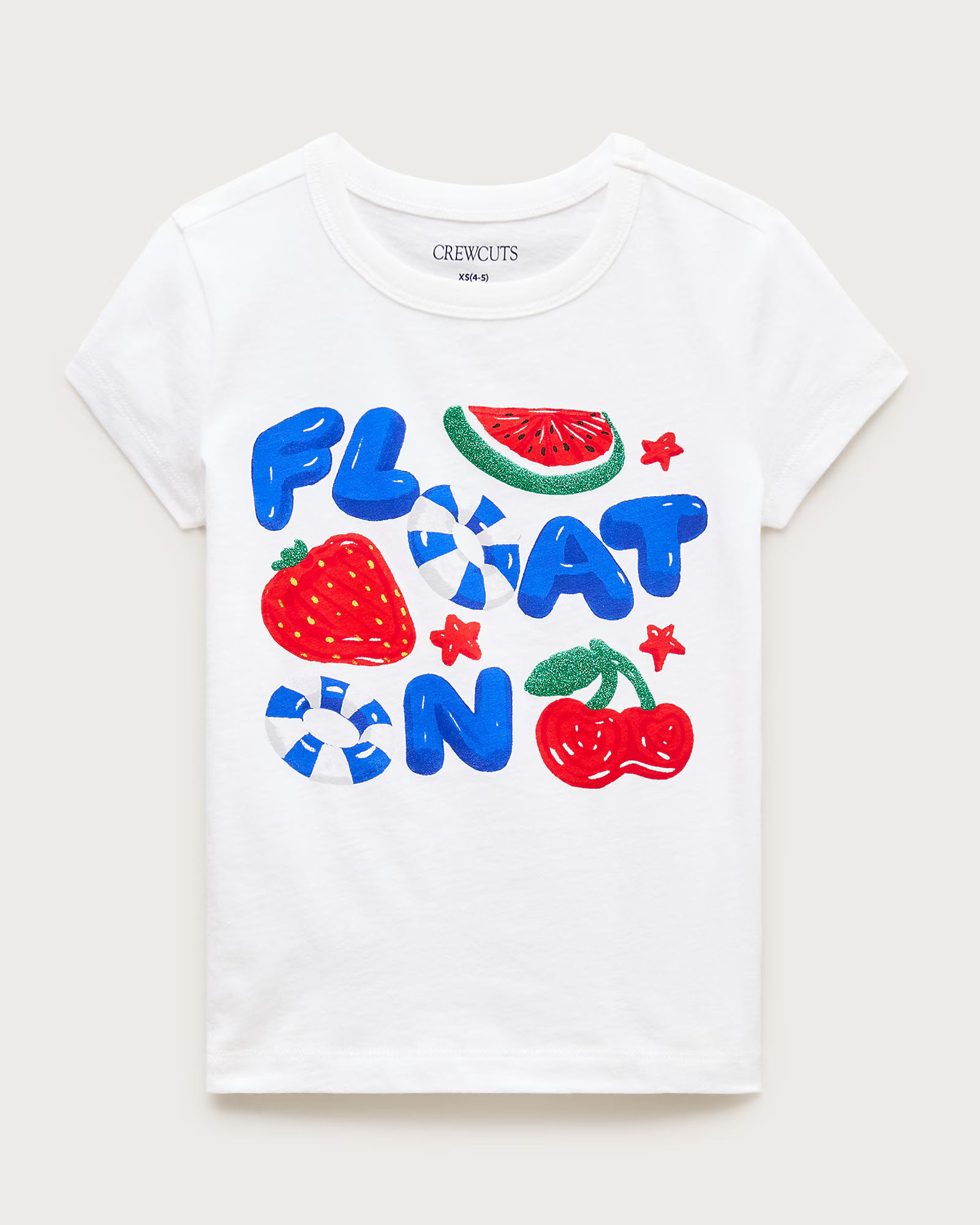
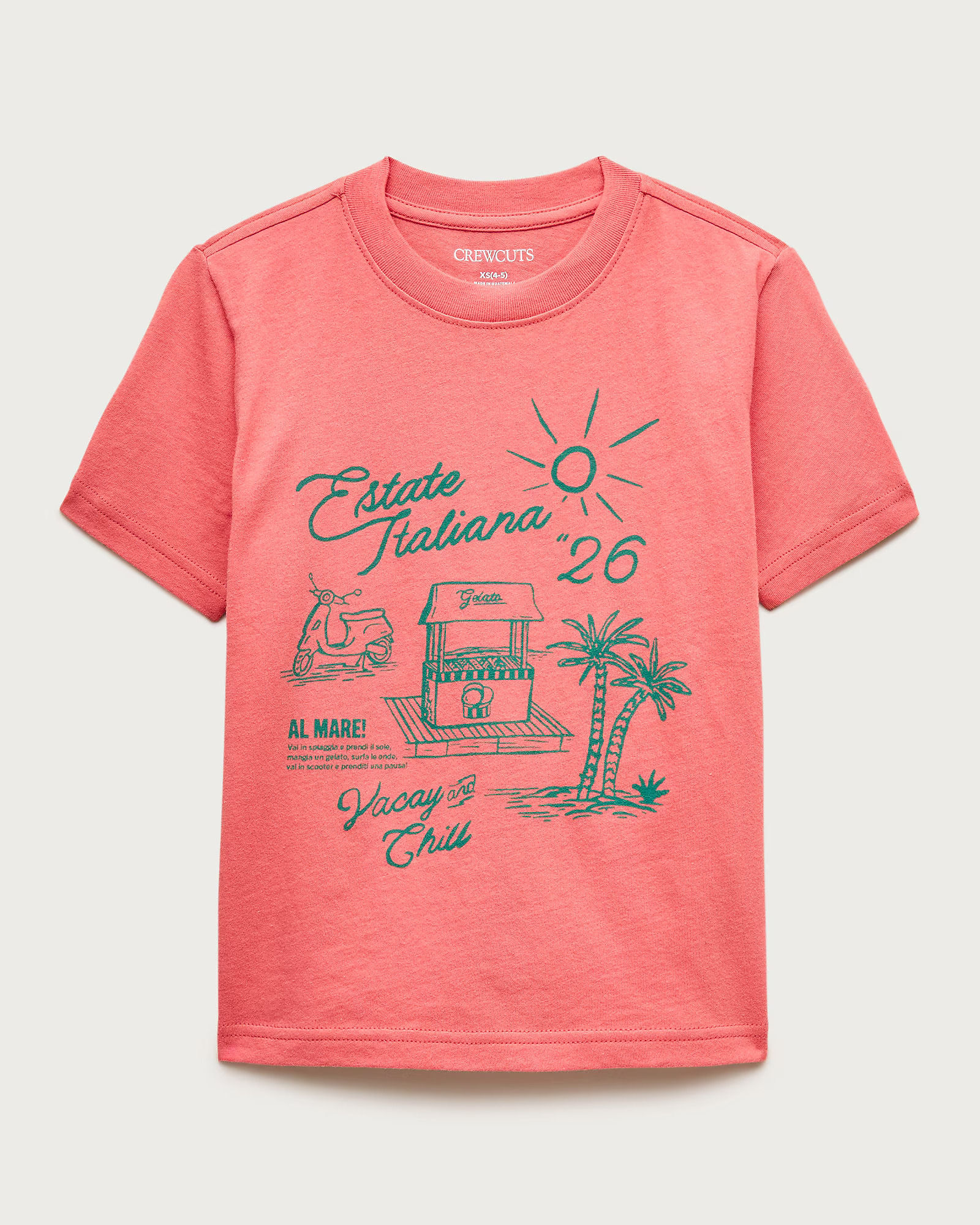
Women's, men's, and children's apparel and accessories: swimwear, outerwear, loungewear, bags, sweaters, denim, dresses, suiting, jewellery, and shoes. Madewell specialises in denim, casualwear, and accessories. crewcuts serves the children's segment. J.Crew Factory (outlet) and J.Crew Mercantile served the value-price tier. J.Crew Home existed briefly as a home goods sub-brand before being dissolved in November 2018.
Multi-channel: catalog, online (e-commerce launched 2010s), and physical retail across the USA and Canada. UK stores (six) closed permanently September 2020 following the bankruptcy exit. J.Crew Mercantile on Amazon launched September 2018. Japan: 76 stores licensed to ITOCHU Corporation - the one documented outbound licensing arrangement. Nordstrom partnership for distribution of J.Crew women's products began in 2016.
Positioned as a mid-to-premium specialty retailer for American preppy and classic apparel, targeting upper-middle-class customers with an emphasis on quality fabrics at accessible prices. Competed in a market increasingly squeezed by fast fashion (on the value end) and athleisure (on the lifestyle end). The company acknowledged in 2015 that failure to respond adequately to these two trends contributed to its sales decline.
Madewell developed a distinct and commercially successful identity within the group, focused on denim and casualwear for younger women. A proposed Madewell IPO was considered as a route to separate it from J.Crew's debt structure; this was paused in March 2020 and has not been completed.
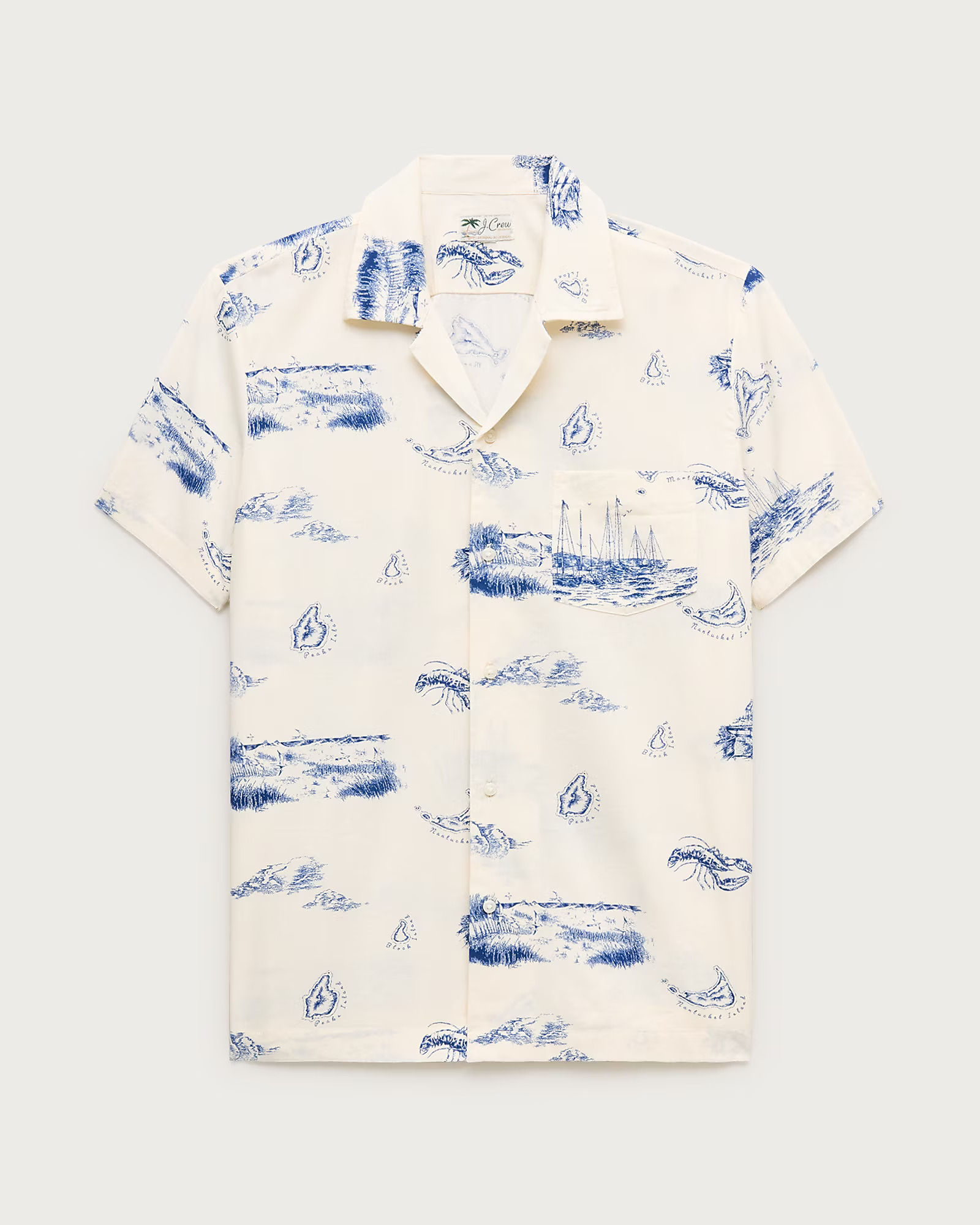
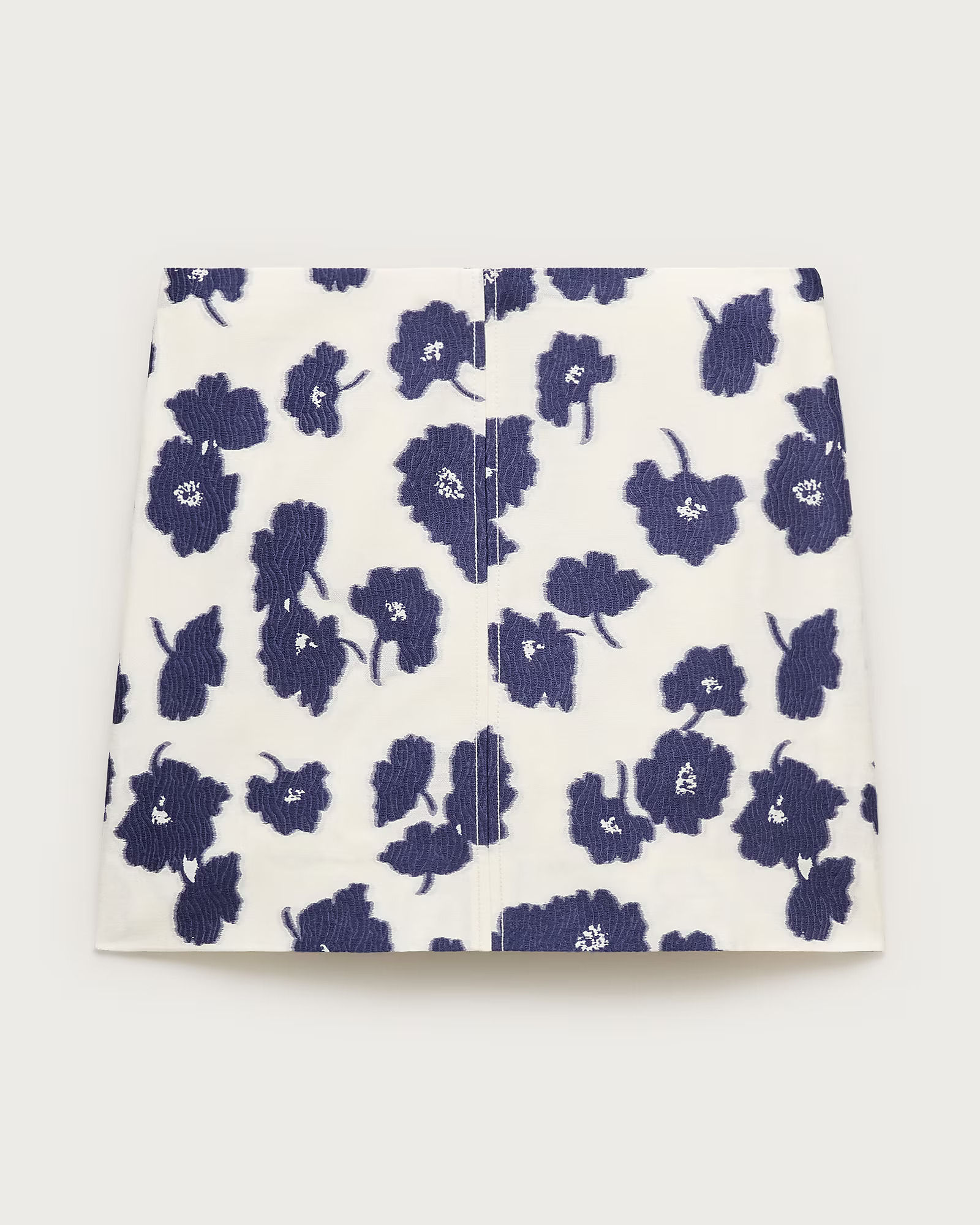
J.Crew's founding commercial strategy - emulating the preppy Ralph Lauren aesthetic at accessible prices - is directly tied to surface pattern and textile design. Preppy American fashion is characterised by a consistent pattern vocabulary: madras plaid, gingham, stripe, Fair Isle knit, Liberty-style floral, seersucker, and chambray. While the source material does not name specific patterns, the brand's stated aesthetic positioning and fabric-focused catalog presentation imply a sustained commercial commitment to these categories.
The original Popular Club Plan / J.Crew catalog deliberately included multiple shots per garment with close-up fabric images - a recognition that textile quality and pattern detail were primary purchase drivers for its customer base. This approach, cited in the source as a way customers could "be assured of the company's claims of quality," places fabric surface at the centre of J.Crew's early marketing strategy.
The Collections catalog line (launched 1989 alongside Classics) was specifically distinguished by "more complicated designs and finer fabrics" - a direct editorial framing of design complexity and material quality as the premium product tier.
The ITOCHU licensing arrangement for 76 stores in Japan demonstrates that J.Crew's design identity carries sufficient value to sustain an international licensing model in a market where the brand has no direct retail presence.
Crew Group, Inc. is an American multi-brand, multi-channel specialty retailer offering women's, men's, and children's apparel and accessories. The business originated in 1947 as Popular Merchandise, Inc. (operating as Popular Club Plan), selling low-priced women's clothing through in-home demonstrations. Crew, Inc.
Crew's founding commercial strategy - emulating the preppy Ralph Lauren aesthetic at accessible prices - is directly tied to surface pattern and textile design.
Women's, men's, and children's apparel and accessories: swimwear, outerwear, loungewear, bags, sweaters, denim, dresses, suiting, jewellery, and shoes. Madewell specialises in denim, casualwear, and accessories. crewcuts serves the children's segment. Crew Mercantile served the value-price tier.
Positioned as a mid-to-premium specialty retailer for American preppy and classic apparel, targeting upper-middle-class customers with an emphasis on quality fabrics at accessible prices. Competed in a market increasingly squeezed by fast fashion (on the value end) and athleisure (on the lifestyle end).
Multi-channel: catalog, online (e-commerce launched 2010s), and physical retail across the USA and Canada. UK stores (six) closed permanently September 2020 following the bankruptcy exit. Crew Mercantile on Amazon launched September 2018.
Catalog operation launched 1983; 24 editions per year at peak, with more than 80 million copies distributed annually. Catalog photography emphasised close-up shots of fabrics alongside full-garment images - an early signal of the brand's textile and material positioning.
United States