We use cookies to improve your experience and understand how PatternDesigners is used.
Moncler S.p.A. is an Italian luxury fashion brand specialising in ready-to-wear outerwear, headquartered in Milan. Founded in 1952 by René Ramillon and André Vincent in Monestier-de-Clermont - a ski resort village near Grenoble, France - the brand name is an abbreviation of the founding location. Italian entrepreneur Remo Ruffini acquired the company in 2003 and repositioned it as a global luxury brand, relocating headquarters to Milan. Moncler has been listed on the Milan Stock Exchange (Borsa Italiana) since 16 December 2013. In December 2020, Moncler acquired Italian luxury sportswear brand Stone Island for €1.15 billion, forming the Moncler Group. In January 2026, Bartolomeo Rongone was named Group CEO, with Ruffini moving to Executive Chairman, effective April 2026.
Remo Ruffini served as creative director at the time of his 2003 acquisition. Under his leadership, Moncler was repositioned from a functional outerwear brand into a luxury fashion house. The Genius model (from 2018) distributed creative direction across a pool of collaborating designers, each releasing on a monthly basis, effectively replacing the single creative director model with a multi-voice programme. Campaign art directors have included Bruce Weber (2009-2014), Annie Leibovitz (2014-2018), Steven Meisel (Gamme Rouge 2009-2014), Liu Bolin (2017-2018, camouflage artist), Craig McDean (2018-2019), and Tim Walker (2019). The 2025 "Warmer Together" campaign reunited actors Robert De Niro and Al Pacino.
Moncler's early identity was built on functional alpine equipment. Initial products (1952): padded sleeping bags, a lined hooded cape, and telescopic-frame tents. The first down jackets were made in 1954 for the company's own factory workers. French mountaineer Lionel Terray identified the jackets' potential; the resulting specialist range "Moncler pour Lionel Terray" established the brand in mountaineering.
Major early deployments: Italian expedition to K2 (1954, culminating in the first summit by Achille Compagnoni and Lino Lacedelli); French Makalu expedition (1955); Lionel Terray Alaska expeditions (1964). At the 1968 Grenoble Winter Olympics, Moncler became the official supplier of the French national downhill skiing team - and on this occasion replaced the previous Monte Eguit logo with the MonDuck cartoon duck mascot. The 1972 model featured leather shoulder reinforcements designed to carry skis. During the 1980s, the down jacket spread into urban areas, becoming associated with the Italian Paninaro youth subculture. Fashion designer Chantal Thomass collaborated with Moncler through 1989.
1992: acquired by Pepper Industries → Finpart. 2003: Remo Ruffini acquired the brand and served as creative director, initiating a luxury repositioning. 2006: Moncler Gamme Rouge launched (womenswear; Alessandra Facchinetti until 2008; Giambattista Valli until 2018). 2007: first monobrand boutique opened in Paris; Milan 2008; New York 2009. 2008: Carlyle Group acquired 48% stake; Ruffini retained 38%. 2009: Moncler Gamme Bleu (menswear) launched, designed by Thom Browne until 2018. 2010: Moncler Grenoble line launched (New York) for skiing and après-ski. 2011: Eurazeo invested (45% shares, 50% voting rights). IPO December 2013 at €10.20/share; 27 times oversubscribed; rose 47% on first day; market capitalisation exceeded €4 billion. 2019: entered Dow Jones Sustainability Indices. December 2020: Stone Island acquired for €1.15 billion. December 2021: official formalwear partner of Inter Milan.
The three current collections:
Former lines (closed 2018): Gamme Rouge (womenswear, Giambattista Valli); Gamme Bleu (menswear, Thom Browne). Accessories (bags, hats). Poldo Dog Couture collaboration (2019). Brand counterfeiting is addressed through an online product code verification system.
First monobrand boutique: Paris 2007 (boutique-chalet concept); Milan 2008; New York 2009. Expansion into footwear and additional store categories documented by Reuters (2022). Listed on Milan Stock Exchange; ownership as of April 2025: Double R S.r.l. (Ruffini) 16.9%; Morgan Stanley 8.6%; Capital Group 5%; BlackRock 5%; Venezio Investments (Temasek) 4.5%. No outbound licensing is documented in the source material. Anti-counterfeiting: online code verification system for product authentication.
Global luxury outerwear brand; positioned at the upper end of the luxury segment alongside Canada Goose. The 2013 IPO and subsequent investor base (Carlyle, Temasek, BlackRock) reflect institutional validation of the brand's luxury positioning. The February 2018 Moncler Genius project extended the brand's design reach across streetwear, fashion, and art directions, increasing presence in streetwear culture. Stone Island acquisition (€1.15B, 2020) added a brand with a distinct following in technical streetwear and garment treatment innovation.
Moncler's SPD relevance is concentrated in three areas:
Core branding as surface design: Moncler's brand identity is inseparable from its applied surface marks. The documented brand elements - the "M" monogram, the cockerel logo, the felt appliqué badge, the crossed-skis motif, and the MonDuck cartoon duck mascot (introduced 1968 at Grenoble Olympics) - are applied as physical design elements to the garment surface. These are not just logos but tactile, embroidered, or appliquéd marks that define the look of a Moncler jacket as a surface design object.
Quilted construction as surface structure: The down jacket's characteristic quilted finish - a grid of stitched channels creating a raised surface pattern across the fabric - is Moncler's founding aesthetic. The quilted channel structure, combined with the choice of glossy or matte shell fabrics in specific colourways, constitutes the primary surface design language of every Moncler garment.
Moncler Genius (from February 2018): A structured programme in which named external designers create monthly collections, each interpreting Moncler's down jacket identity from a distinct aesthetic position. This is a documented mechanism for bringing diverse design directions - including graphic, structural, and surface-oriented approaches - into the Moncler product range. The programme includes collaborators documented in institutional campaigns (see collaborations section) and represents an industry precedent for a luxury brand using a rotating designer model rather than a single creative director.
Gamme Rouge / Gamme Bleu (2006-2018): Giambattista Valli (womenswear, Gamme Rouge) and Thom Browne (menswear, Gamme Bleu) brought their respective design languages to dedicated Moncler sub-lines. Valli is known for elaborate floral and ornamental decoration; Browne for rigorous graphic suiting. Both introduced surface design logic distinct from the core brand.
A. is an Italian luxury fashion brand specialising in ready-to-wear outerwear, headquartered in Milan. Founded in 1952 by René Ramillon and André Vincent in Monestier-de-Clermont - a ski resort village near Grenoble, France - the brand name is an abbreviation of the founding location.
Moncler's SPD relevance is concentrated in three areas: Core branding as surface design: Moncler's brand identity is inseparable from its applied surface marks.
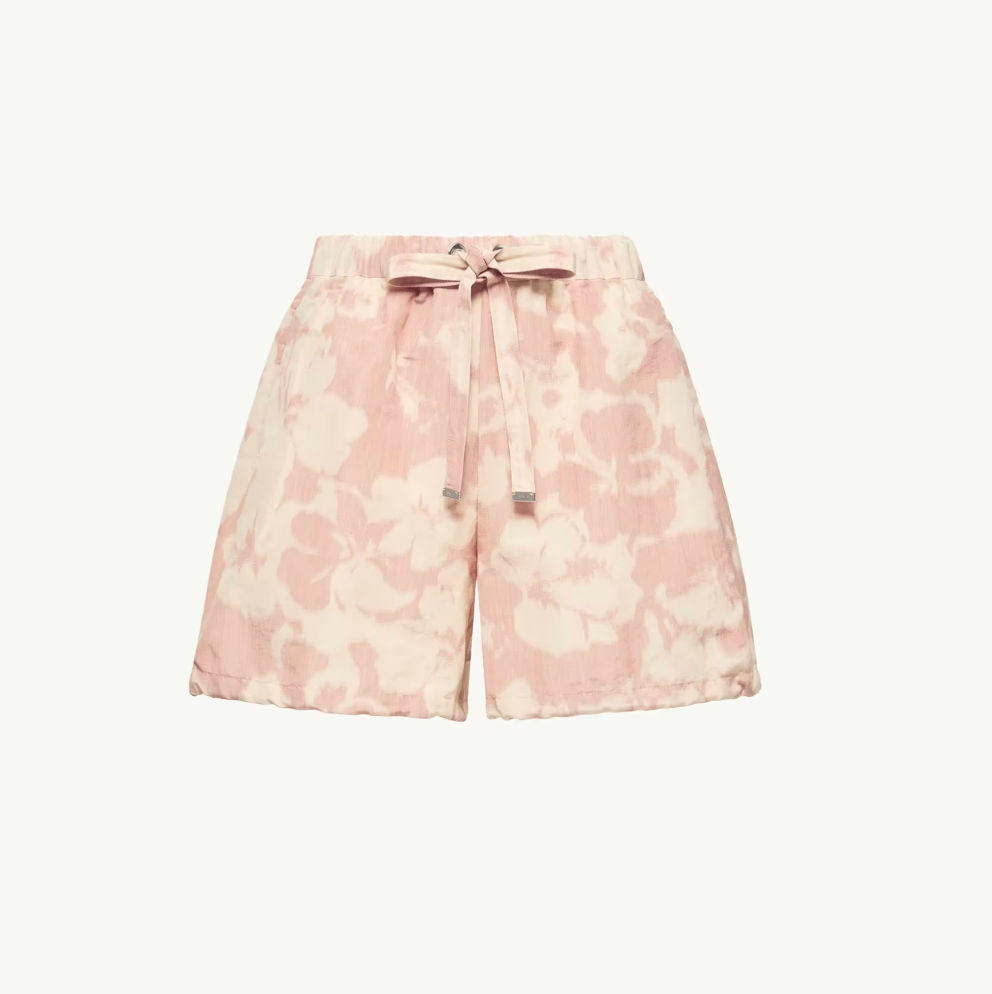
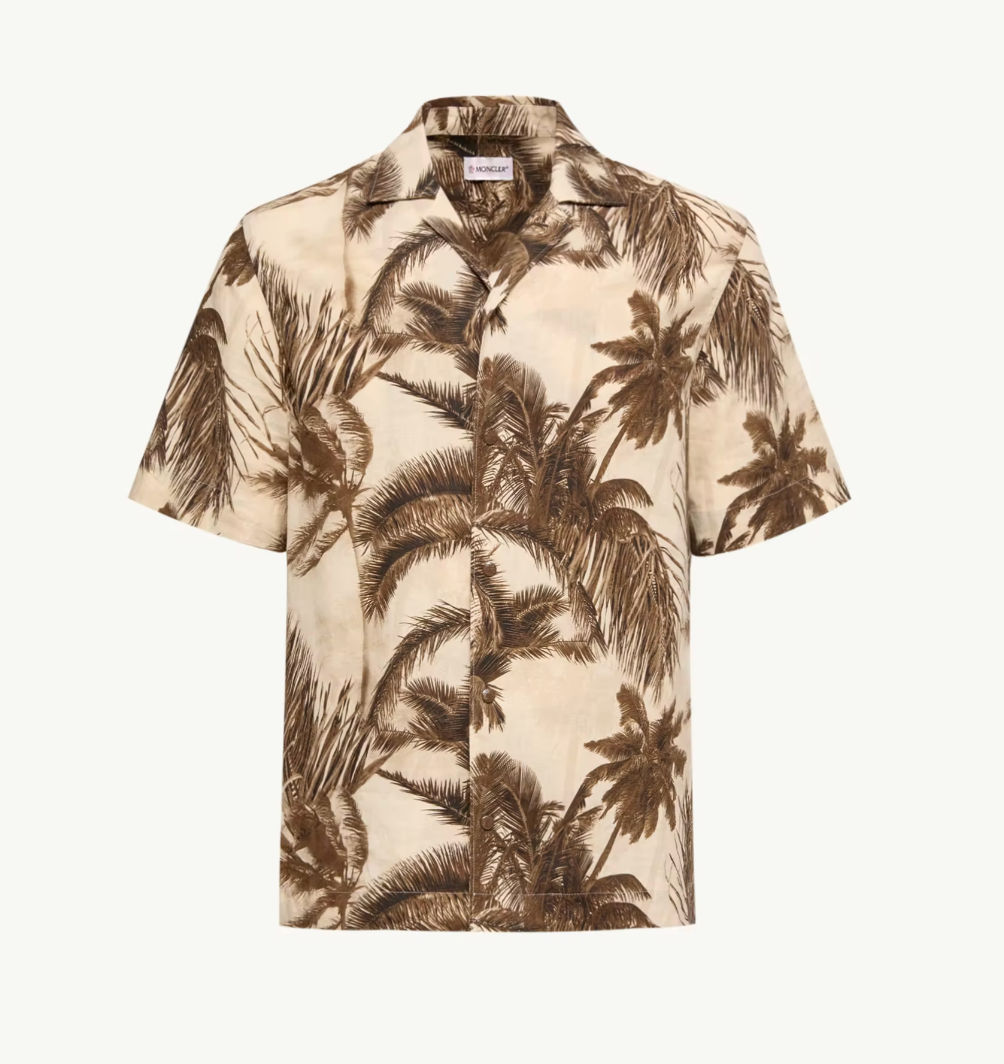
The three current collections: Moncler Collection (main line): outerwear and accessories for women, men, and children. Down jackets - quilted construction in glossy finishes, available in a range of colourways - are the core product. The brand extends into the summer season.
Global luxury outerwear brand; positioned at the upper end of the luxury segment alongside Canada Goose. The 2013 IPO and subsequent investor base (Carlyle, Temasek, BlackRock) reflect institutional validation of the brand's luxury positioning.
First monobrand boutique: Paris 2007 (boutique-chalet concept); Milan 2008; New York 2009. Expansion into footwear and additional store categories documented by Reuters (2022). l. 5%. No outbound licensing is documented in the source material.
Moncler's early identity was built on functional alpine equipment. Initial products (1952): padded sleeping bags, a lined hooded cape, and telescopic-frame tents. The first down jackets were made in 1954 for the company's own factory workers.
Italy