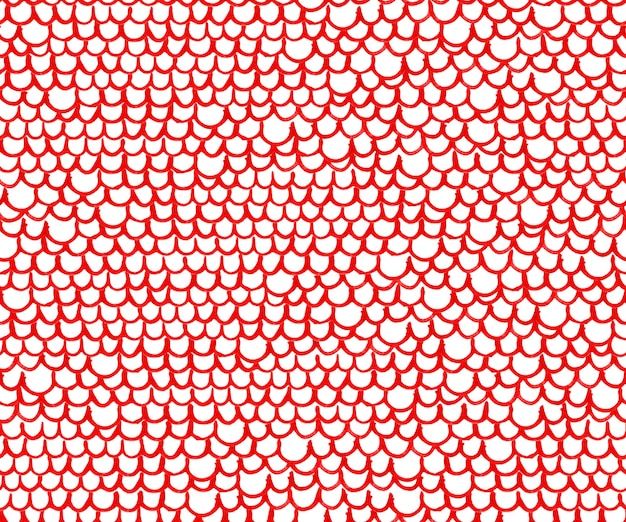
Scale is one of the most practically significant decisions a surface pattern designer makes. The same motif at different sizes can suit entirely different markets, product categories, and production contexts. Understanding how scale reads across different product dimensions and print processes is a core technical competency in the field. Scale also affects how a pattern tiles - a very large-scale repeat may show only one partial motif on a small product, while a small-scale repeat may appear muddy at full wallpaper-panel size.
We use cookies to improve your experience and understand how PatternDesigners is used.
Scale is one of the most practically significant decisions a surface pattern designer makes. The same motif at different sizes can suit entirely different markets, product categories, and production contexts. Understanding how scale reads across different product dimensions and print processes is a core technical competency in the field. Scale also affects how a pattern tiles - a very large-scale repeat may show only one partial motif on a small product, while a small-scale repeat may appear muddy at full wallpaper-panel size.
Scale is not a visual style itself but a property of any pattern. The perceived scale depends on:
A small-scale pattern reads as a texture from a distance; a large-scale pattern reads as individual, recognisable motifs. Medium-scale patterns are the most commercially flexible.
Scale categories across the surface pattern design industry are typically described as:
Spoonflower uses a standard print width of 24 inches as its base reference for scale planning, which has become a common industry reference point for print-on-demand design. Repeat size must always be considered in relation to the end product.
Scale is motif-agnostic - any design element can be interpreted at small, medium, or large scale. However, certain motif types are conventionally associated with specific scale ranges: ditsy scale is typical for scattered florals and polka dots; large scale is associated with statement tropical leaves, bold graphic shapes, and hero botanical motifs.
Scale affects colour perception. Small-scale patterns at high colour contrast can optically mix over distance, producing a visual colour blend different from the individual colours used. Large-scale patterns in high-contrast colourways make strong visual statements; the same colourway at small scale may read as noise rather than pattern.
Major brands have built recognisable identities around scale choices. raw/companies processed/Marimekko is internationally associated with large-scale, bold repeat patterns - a deliberate design philosophy that distinguishes its product across markets. At the commercial childrenswear end, brands such as Carter's use small-scale scattered prints because they read clearly on small garment pieces and avoid fabric-matching costs. IKEA and H&M Home deploy scale-conscious pattern decisions across their product ranges, recognising that scale affects how patterns read at both point-of-sale and in-situ.
Scale decisions are relevant across all product categories:
Scale is one of the most practically significant decisions a surface pattern designer makes. The same motif at different sizes can suit entirely different markets, product categories, and production contexts.
Scale is not a visual style itself but a property of any pattern.
Fundamentals
Scale is motif-agnostic - any design element can be interpreted at small, medium, or large scale.
Scale affects colour perception. Small-scale patterns at high colour contrast can optically mix over distance, producing a visual colour blend different from the individual colours used.
Major brands have built recognisable identities around scale choices. raw/companies processed/Marimekko is internationally associated with large-scale, bold repeat patterns - a deliberate design philosophy that distinguishes its product across markets.