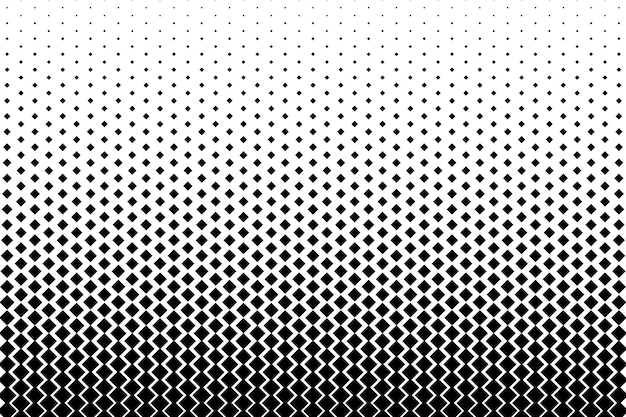
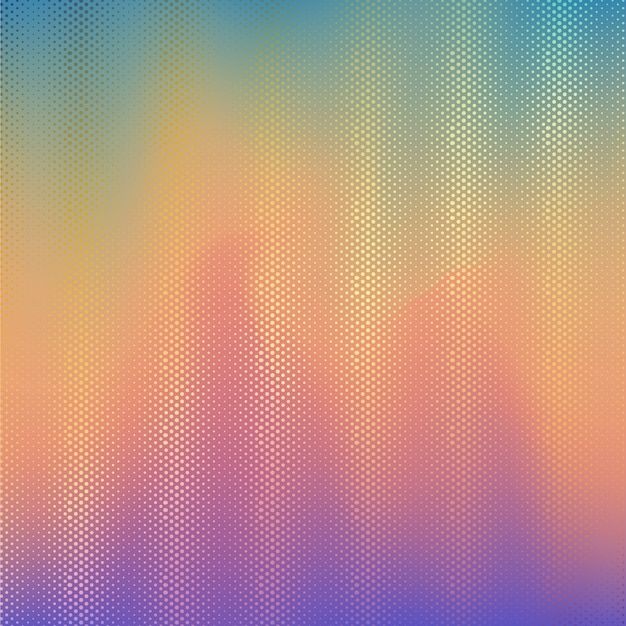
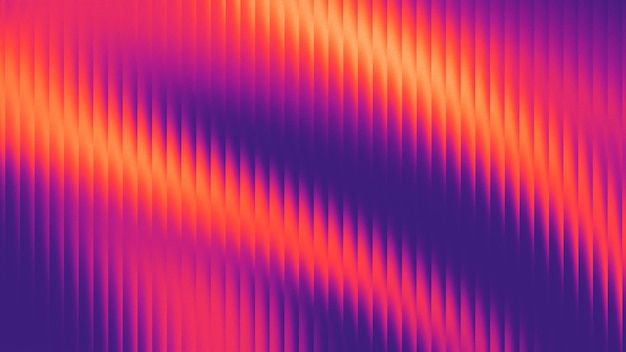
Gradation describes the systematic progression of a design element across a surface. In surface pattern design, it appears primarily as colour gradation - the ombré or gradient effect where a hue transitions smoothly from light to dark, or one colour flows into another. Scale gradation (motifs progressively shrinking or enlarging), shape gradation (motifs morphing from one form to another), and directional gradation (angles incrementally shifting) are less common but equally valid applications. Gradation is a structural principle rather than a specific visual style: it applies across abstract, geometric, and figurative pattern categories.
We use cookies to improve your experience and understand how PatternDesigners is used.
Gradation describes the systematic progression of a design element across a surface. In surface pattern design, it appears primarily as colour gradation - the ombré or gradient effect where a hue transitions smoothly from light to dark, or one colour flows into another. Scale gradation (motifs progressively shrinking or enlarging), shape gradation (motifs morphing from one form to another), and directional gradation (angles incrementally shifting) are less common but equally valid applications. Gradation is a structural principle rather than a specific visual style: it applies across abstract, geometric, and figurative pattern categories.
Gradation is characterised by the absence of hard transitions. In colour gradation, the shift from one state to another reads as smooth and continuous - a gradient wash rather than a striped sequence. Step-based gradation produces a more graphic staircase quality. Scale gradation creates a sense of depth or perspective: motifs that diminish toward one side of the surface suggest recession; motifs that enlarge suggest emergence. Directional gradation - where repeating lines or elements incrementally angle across the composition - creates a sense of twist, flow, or rotation.
Paul Klee's Crystal Gradation (1921) - a step-based colour gradation in watercolour - is a widely cited fine art reference for the structured gradation aesthetic.
Gradation as a visual arts technique - the deliberate transition from one hue or tone to another to create spatial depth, atmosphere, and form - is a foundational principle documented across media from pastel and oil painting to printmaking (The Encyclopedia of Pastel Techniques, Judy Martin, 1992).
Halftone photography, developed in the late 19th century, mechanised gradation reproduction for printed media. Halftone screens - continuous patterns of small dots - allowed photographs to be reproduced with graduated tone in newspapers and magazines, a significant technical milestone enabling printed gradation at commercial scale.
Digital software tools made complex colour gradients widely accessible from the 1990s onward, substantially expanding the use of gradation effects in surface pattern design. The ombré dye effect has recurred across multiple fashion cycles as a hand-craft and printed textile aesthetic.
Gradation describes the systematic progression of a design element across a surface. In surface pattern design, it appears primarily as colour gradation - the ombré or gradient effect where a hue transitions smoothly from light to dark, or one colour flows into another.
Gradation is characterised by the absence of hard transitions. In colour gradation, the shift from one state to another reads as smooth and continuous - a gradient wash rather than a striped sequence. Step-based gradation produces a more graphic staircase quality.
Fundamentals
Gradient
Gradient colour field (standalone or as ground for a secondary motif) Progressive scale scatter (same motif, systematically varied in size) Fading all-over (standard repeat that dissolves to ground) Morphing shape sequence (placement print application)
Gradation as a visual arts technique - the deliberate transition from one hue or tone to another to create spatial depth, atmosphere, and form - is a foundational principle documented across media from pastel and oil painting to printmaking (The Encyclopedia of Pastel Techniques, Judy Martin, 1992).
Ombré Pattern, Abstract Pattern, and Stripe Pattern