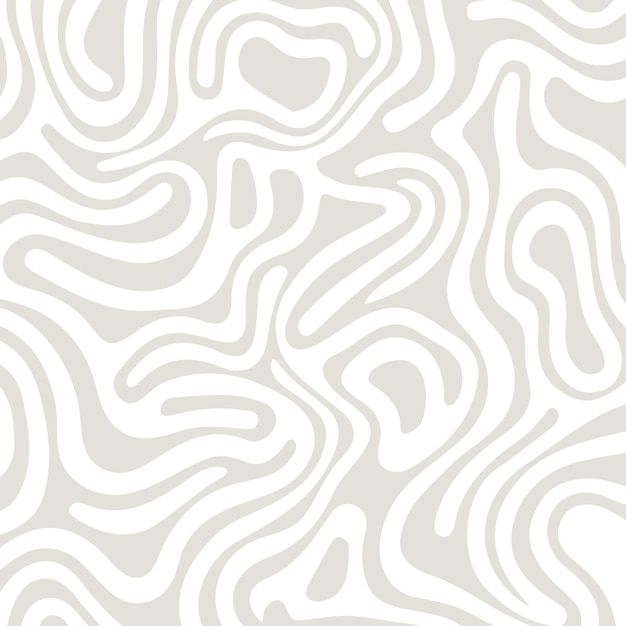
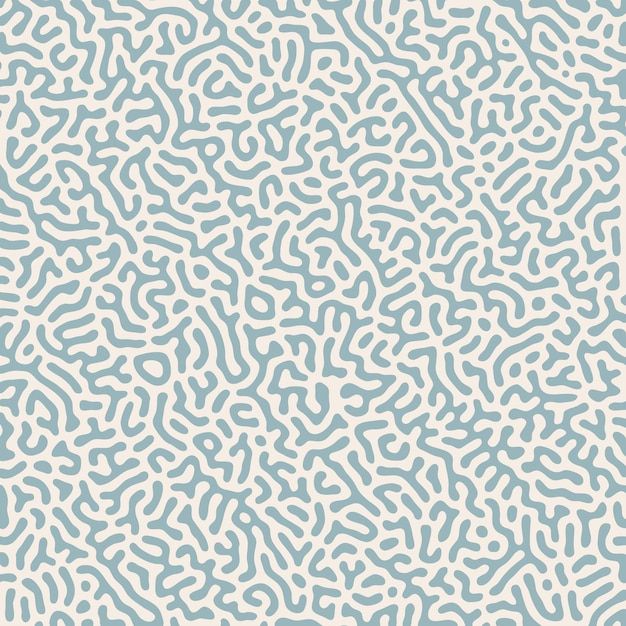
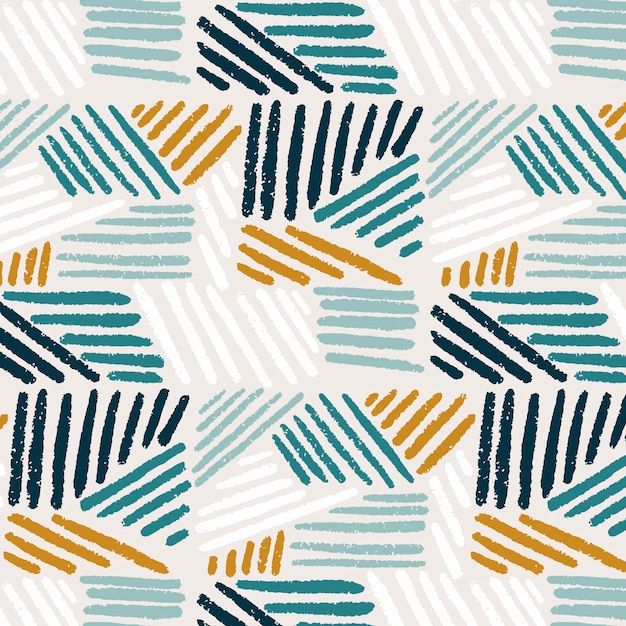
Abstract pattern spans from rigorous geometric systems to spontaneous painterly marks. In surface pattern design, it is one of the broadest commercially active categories, encompassing geometric abstraction, lyrical/painterly abstraction, op art, colour field, and hard-edge minimalism. Because abstract pattern carries no cultural or representational specificity, it is among the most broadly licensable pattern types across markets.
We use cookies to improve your experience and understand how PatternDesigners is used.
Abstract pattern spans from rigorous geometric systems to spontaneous painterly marks. In surface pattern design, it is one of the broadest commercially active categories, encompassing geometric abstraction, lyrical/painterly abstraction, op art, colour field, and hard-edge minimalism. Because abstract pattern carries no cultural or representational specificity, it is among the most broadly licensable pattern types across markets.
Geometric abstraction uses grids, hard edges, and mathematical structure - squares, triangles, circles, and polygons arranged with precision. Lyrical or painterly abstraction uses gestural marks, fluid shapes, and organic forms that suggest movement or emotion without depicting objects. Op art abstraction creates optical illusions through precise tonal contrast and geometric repetition. Colour field abstraction emphasises bold flat areas of colour with minimal form. In all-over surface repeat, abstract patterns can be directional or non-directional depending on the underlying composition.
Abstract patterns appear in all-over, brick, grid, and half-drop repeat structures. Geometric abstraction suits tile-based repeat structures with clean register lines. Painterly abstraction is typically placed in straight-drop or engineered layouts where the organic quality of the composition is preserved. Op art relies on precision alignment. There is no single structural requirement - structure depends on whether the abstraction is geometric or painterly in origin.
No fixed palette - colour is fundamental to the aesthetic rather than a supporting element. Geometric abstraction often uses high-contrast or limited colour sets for clarity of form. Painterly abstraction ranges from muted earthy tones to vivid expressionist hues. Op art relies on black-and-white or closely toned contrast pairs. Colour field abstraction typically uses saturated, unmodulated tones. Contemporary abstract pattern design spans seasonal trend palettes freely.
Abstract pattern as a formal discipline emerges from early 20th-century fine art movements. Romanticism, Impressionism, and Symbolism progressively dissolved literal representation. Wassily Kandinsky, Piet Mondrian, and Kazimir Malevich developed the first coherent abstract visual systems in the 1910s. The Bauhaus school formalised geometric abstraction as applied design practice - the most direct link between fine art abstraction and surface design. Abstract Expressionism (1940s-50s, New York) introduced gestural and painterly vocabularies. Op art and hard-edge painting (1960s) applied mathematical abstraction directly to textile and surface design. Paul Klee's teaching at the Bauhaus bridged fine art abstraction and pattern-making. Digital tools have expanded structural possibilities for abstract pattern generation significantly.
Abstract pattern spans from rigorous geometric systems to spontaneous painterly marks. In surface pattern design, it is one of the broadest commercially active categories, encompassing geometric abstraction, lyrical/painterly abstraction, op art, colour field, and hard-edge minimalism.
Geometric abstraction uses grids, hard edges, and mathematical structure - squares, triangles, circles, and polygons arranged with precision. Lyrical or painterly abstraction uses gestural marks, fluid shapes, and organic forms that suggest movement or emotion without depicting objects.
Geometric
Abstract patterns appear in all-over, brick, grid, and half-drop repeat structures. Geometric abstraction suits tile-based repeat structures with clean register lines. Painterly abstraction is typically placed in straight-drop or engineered layouts where the organic quality of the composition is preserved.
Squares, triangles, circles, arcs, and irregular polygons (geometric abstraction) Gestural brushstrokes, fluid lines, splashes, and washes (lyrical abstraction) Concentric rings and moiré structures (op art) Bold flat colour blocks (colour field abstraction) Minimalist line configurations and grid interruptions
No fixed palette - colour is fundamental to the aesthetic rather than a supporting element. Geometric abstraction often uses high-contrast or limited colour sets for clarity of form. Painterly abstraction ranges from muted earthy tones to vivid expressionist hues.
Abstract pattern as a formal discipline emerges from early 20th-century fine art movements. Romanticism, Impressionism, and Symbolism progressively dissolved literal representation. Wassily Kandinsky, Piet Mondrian, and Kazimir Malevich developed the first coherent abstract visual systems in the 1910s.
Geometric Pattern, Stripe Pattern, and Check Pattern