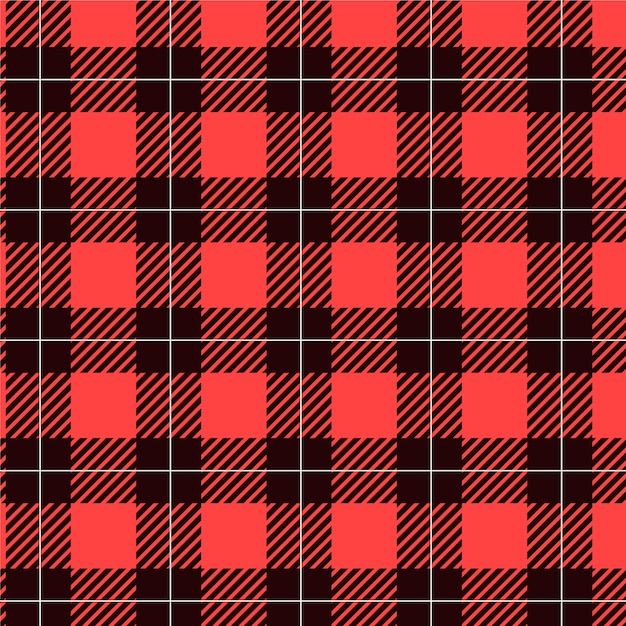
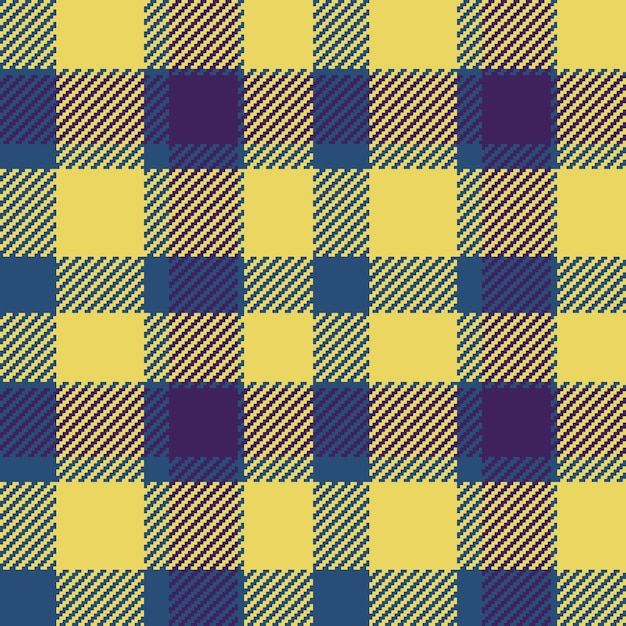
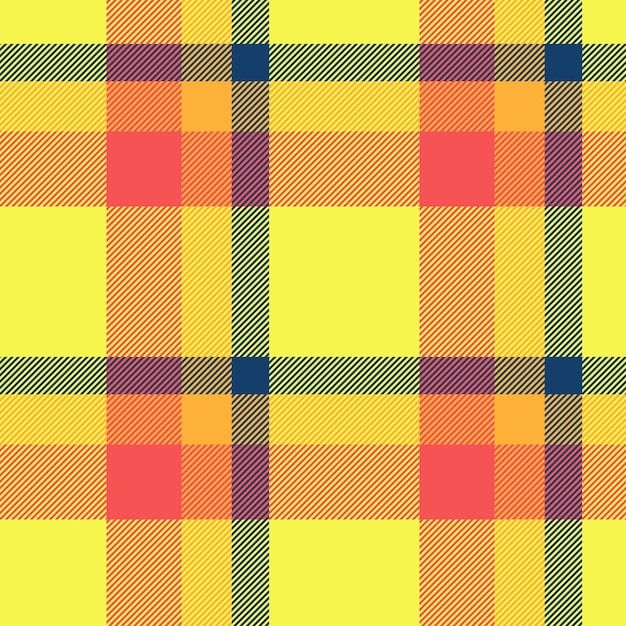
Check is a fundamental geometric structure in textiles and surface design. Its simplicity - a regular grid of alternating colour squares - makes it infinitely adaptable: the same underlying structure produces tartan, gingham, buffalo check, windowpane plaid, tattersall, and shepherd's check by varying scale, colour count, and line weight. Check patterns are commercially active across fashion, accessories, homeware, and stationery, carrying market associations ranging from rural/preppy (gingham, tattersall) through luxury heritage (Burberry, Louis Vuitton Damier) to streetwear and subculture references (ska music, keffiyeh).
We use cookies to improve your experience and understand how PatternDesigners is used.
Check is a fundamental geometric structure in textiles and surface design. Its simplicity - a regular grid of alternating colour squares - makes it infinitely adaptable: the same underlying structure produces tartan, gingham, buffalo check, windowpane plaid, tattersall, and shepherd's check by varying scale, colour count, and line weight. Check patterns are commercially active across fashion, accessories, homeware, and stationery, carrying market associations ranging from rural/preppy (gingham, tattersall) through luxury heritage (Burberry, Louis Vuitton Damier) to streetwear and subculture references (ska music, keffiyeh).
A check pattern at its simplest is a two-colour alternating square grid - essentially a chessboard structure. Visual variation is produced by scale (fine windowpane through bold buffalo check), colour count (two-colour through multicolour tartan), line weight and proportion (equal-width stripes vs. accent lines), and stripe sequence (simple alternation vs. complex tartan sett). In woven textiles, the interlacing of differently coloured warp and weft threads produces optical colour mixing at the intersections, creating a visual complexity beyond the two source colours.
Check patterns are warp-and-weft grid structures. The simplest form - the even check - uses equal-width stripes in both directions, producing square cells. Variations include:
Check has no figurative motif content - it is a structural pattern defined entirely by its grid geometry. Named check variants that carry distinct commercial identities include:
Check colourways carry strong cultural and market associations. Red and black buffalo check signals American outdoors/workwear heritage. Camel and brown tattersall signals British countryside and equestrian. Navy and white gingham signals summer casualwear. Burberry's distinctive camel, black, and red check (white ground) is a legally protected heritage pattern. The keffiyeh - a red-and-white or black-and-white check - carries Middle Eastern cultural significance and has been widely adopted in fashion contexts. Freemasonry uses a black-and-white chequered floor mosaic pavement motif.
Check-structure weaving is documented from Neolithic periods (approximately 10,000 BC) - the grid structure emerges naturally from the over-under interlacing of warp and weft. Tartan-structure cloth has been identified on the Cherchen Man mummy from western China (~3,000 years ago). Scottish highland dress codified tartan as a cultural identity marker in the 16th century. The British Dress Act 1746, following the Battle of Culloden, temporarily banned tartan in Scotland as a suppression of Highland culture. South Indian Coromandel Coast check textiles were traded to Europe in the 16th-17th centuries. Buffalo check (Woolrich mill, Pennsylvania, ~1850) established a commercial American check tradition. Louis Vuitton's Damier Ebene check (1888) and Damier Azur are among the most recognisable branded pattern applications of the check structure. Burberry's tartan-variant check achieved similar brand identity status following WWII.
Check is a fundamental geometric structure in textiles and surface design.
A check pattern at its simplest is a two-colour alternating square grid - essentially a chessboard structure. Visual variation is produced by scale (fine windowpane through bold buffalo check), colour count (two-colour through multicolour tartan), line weight and proportion (equal-width stripes vs.
Geometric
Check patterns are warp-and-weft grid structures. The simplest form - the even check - uses equal-width stripes in both directions, producing square cells.
Check has no figurative motif content - it is a structural pattern defined entirely by its grid geometry.
Check colourways carry strong cultural and market associations. Red and black buffalo check signals American outdoors/workwear heritage. Camel and brown tattersall signals British countryside and equestrian. Navy and white gingham signals summer casualwear.
Check-structure weaving is documented from Neolithic periods (approximately 10,000 BC) - the grid structure emerges naturally from the over-under interlacing of warp and weft. Tartan-structure cloth has been identified on the Cherchen Man mummy from western China (~3,000 years ago).
Tartan Pattern, Gingham Pattern, Houndstooth Pattern, Plaid Pattern, Diamond Pattern, and Stripe Pattern