Diamond pattern is a structural term in surface pattern design: it describes any composition in which the primary visual elements are aligned along 45° diagonal axes rather than horizontal and vertical ones. The diamond (rotated square) is among the most versatile geometric forms in surface design - equally present in architectural stonework, woven textiles, stained glass, playing cards, and fashion print. As a structural category it encompasses both the simple single-colour diamond grid and complex multicolour arrangements such as argyle, harlequin, and lozenge compositions.
We use cookies to improve your experience and understand how PatternDesigners is used.
Diamond pattern is a structural term in surface pattern design: it describes any composition in which the primary visual elements are aligned along 45° diagonal axes rather than horizontal and vertical ones. The diamond (rotated square) is among the most versatile geometric forms in surface design - equally present in architectural stonework, woven textiles, stained glass, playing cards, and fashion print. As a structural category it encompasses both the simple single-colour diamond grid and complex multicolour arrangements such as argyle, harlequin, and lozenge compositions.
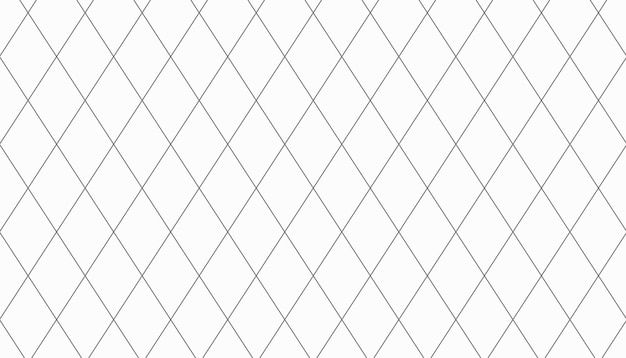
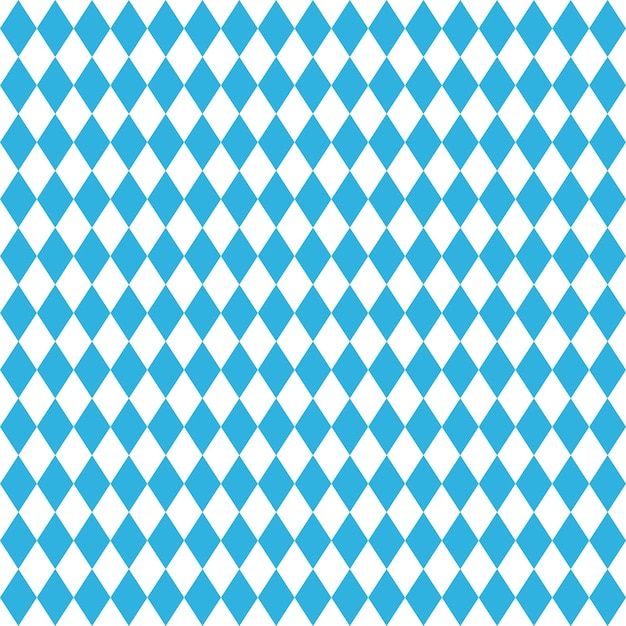
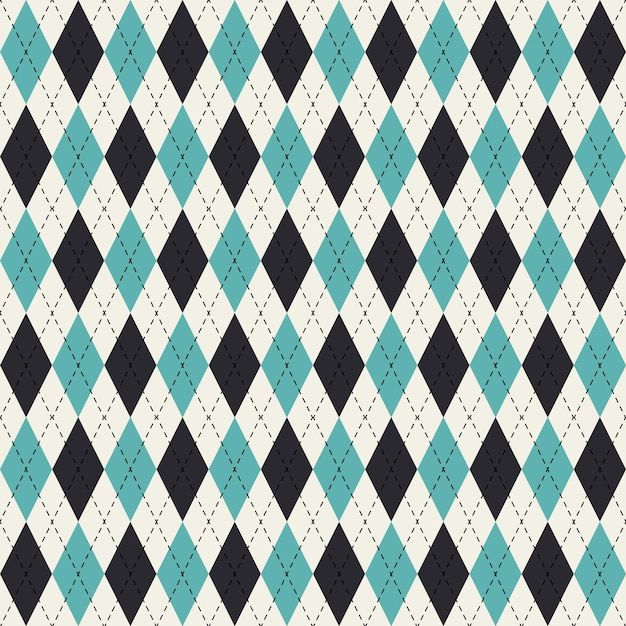
A diamond pattern presents a surface composed of rhombus or square shapes rotated 45° relative to the horizontal - each cell appearing as a pointed-top diamond rather than a flat-top square. Visual variation comes from proportions (wide/flat vs. narrow/tall diamond), scale, colour count, and the presence or absence of outline or dividing lines between diamond units. Diamond grids read as dynamic and directional - the diagonal orientation creates a visual movement and energy absent from horizontal-vertical check. At fine scale, diamond pattern reads as geometric texture; at larger scale individual cells become distinct graphic elements.
Diamond patterns use a rotated grid structure. The basic unit - a single rhombus or equilateral diamond - tiles in rows and columns aligned at 45° to the fabric selvage. Variations include:
The Artlandia glossary defines diamond pattern precisely: "A pattern whose elements are arranged along diagonal (diamond) lines."
Diamond pattern has no inherent figurative motif - it is a structural arrangement. Common applications include:
Diamond pattern is compatible with any colourway. Classic harlequin uses bold contrasting colour pairs - red and black, blue and white, yellow and green. Argyle typically uses muted tartan-adjacent palettes: grey, navy, green, and burgundy on cream or natural grounds - associated with Scottish highland and preppy aesthetics. Luxury diamond patterns in historical contexts used gold and jewel tones. Modern geometric applications use any palette, including tonal monochromatic treatments.
The diamond as a geometric form appears in decorative art across virtually all cultures and periods - from ancient Egyptian wall decoration through medieval heraldry to contemporary surface design. In textiles, the diagonal line repeat is a natural product of bias-cut weaving and knitting construction, making diamond structures appear independently across many traditions. Harlequin (a specific high-contrast diamond arrangement) is associated with the Commedia dell'arte theatrical costume tradition in European performance history. Argyle is associated with the Scottish Argyll clan and was codified as a knitwear pattern in the 19th century, gaining mass-market recognition through Pringle of Scotland in the 20th century.
Diamond pattern is a structural term in surface pattern design: it describes any composition in which the primary visual elements are aligned along 45° diagonal axes rather than horizontal and vertical ones.
A diamond pattern presents a surface composed of rhombus or square shapes rotated 45° relative to the horizontal - each cell appearing as a pointed-top diamond rather than a flat-top square. Visual variation comes from proportions (wide/flat vs.
Geometric
Diamond patterns use a rotated grid structure. The basic unit - a single rhombus or equilateral diamond - tiles in rows and columns aligned at 45° to the fabric selvage. "
Diamond pattern has no inherent figurative motif - it is a structural arrangement.
Diamond pattern is compatible with any colourway. Classic harlequin uses bold contrasting colour pairs - red and black, blue and white, yellow and green.
The diamond as a geometric form appears in decorative art across virtually all cultures and periods - from ancient Egyptian wall decoration through medieval heraldry to contemporary surface design.
Argyle Pattern, Harlequin Pattern, Check Pattern, Geometric Pattern, and Stripe Pattern