Gingham is a woven fabric (not a printed motif) - a medium-weight, balanced plain weave typically woven from dyed cotton or cotton-blend yarn in a bright colour against white, using carded, medium, or fine yarns. It is now most closely identified with its checked pattern, though it was originally a striped fabric before checked variants became dominant. Gingham is also known as Vichy check (English) and estampado vichy / cuadro vichy (Spanish).
We use cookies to improve your experience and understand how PatternDesigners is used.
Gingham is a woven fabric (not a printed motif) - a medium-weight, balanced plain weave typically woven from dyed cotton or cotton-blend yarn in a bright colour against white, using carded, medium, or fine yarns. It is now most closely identified with its checked pattern, though it was originally a striped fabric before checked variants became dominant. Gingham is also known as Vichy check (English) and estampado vichy / cuadro vichy (Spanish).
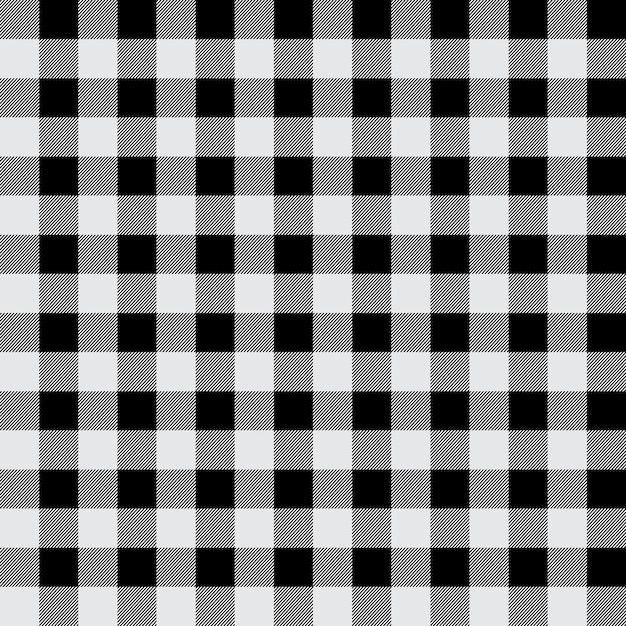
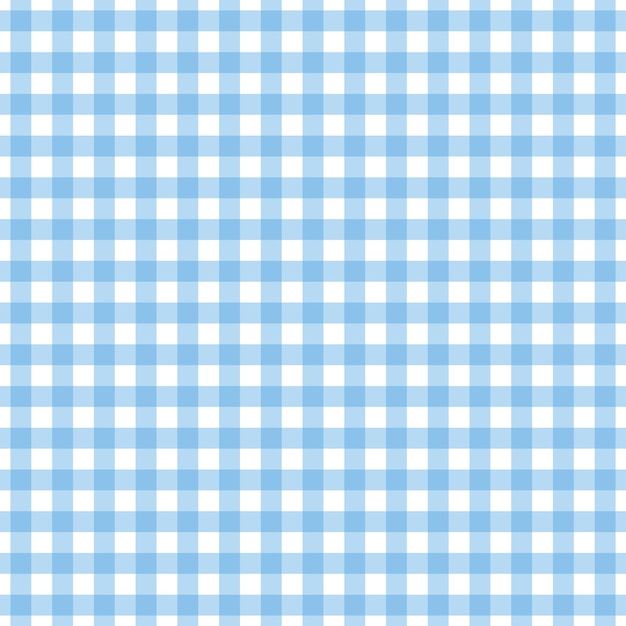
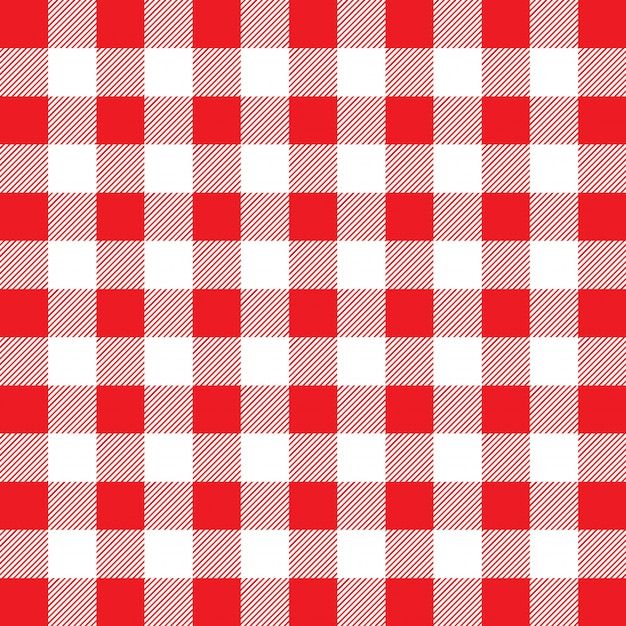
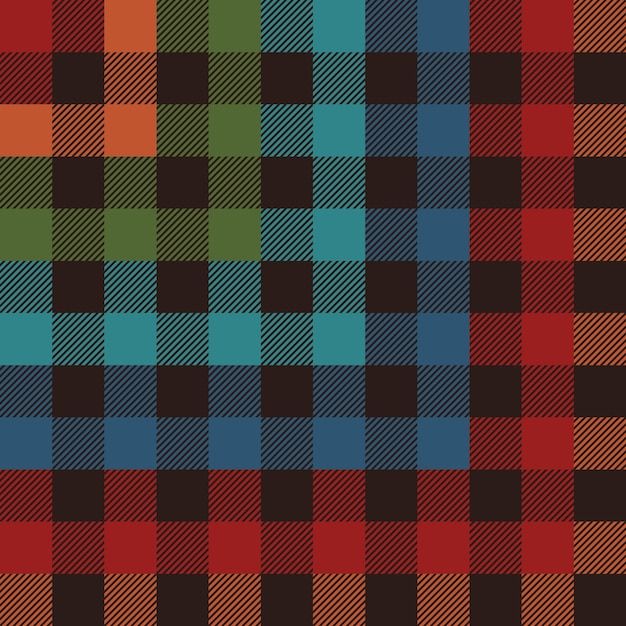
Gingham's signature look is a small, evenly spaced two-tone check, formed where coloured and white yarns cross in the weave - producing three visual tones (the ground colour, white, and a blended intermediate shade where the two overlap). Historically it was also woven as stripes, and later as tartan/plaid checks, before the simple two-colour check became the dominant form.
Gingham is a woven check structure built directly into the fabric via plain weave (rather than printed onto it), using alternating coloured and white yarns in both the warp and weft. This is structurally the same logic as a check/grid repeat: a regular grid of colour blocks formed by the intersection of horizontal and vertical yarn stripes.
Classic gingham is woven in a bright colour against white - blue and white is specifically noted as the most common historical and enduring combination, alongside green and white. The style reads as simple, bright, and graphic rather than tonal or muted.
Gingham's name is speculated to derive from Guingamp, a town in Brittany, France (via Dutch), though other sources trace the word to the Malay genggang ("striped"). It was originally imported into Europe in the 17th century as a striped fabric. From the mid-18th century, gingham was produced in the mills of Manchester, England, and began to be woven into checked or tartan patterns, often blue and white; checked gingham became dominant over time, though striped gingham remained available into the late Victorian era. Gingham was also introduced to France via Malaysia and produced in Vichy, France, under Napoleon Bonaparte - the source of its "Vichy check" name. In the 2010s, mass popularity of men's blue-and-white gingham shirts in the United States drew critical media coverage.
Gingham is a woven fabric (not a printed motif) - a medium-weight, balanced plain weave typically woven from dyed cotton or cotton-blend yarn in a bright colour against white, using carded, medium, or fine yarns.
Gingham's signature look is a small, evenly spaced two-tone check, formed where coloured and white yarns cross in the weave - producing three visual tones (the ground colour, white, and a blended intermediate shade where the two overlap).
Fashion apparel - shirts, skirts, and maxi dresses; gingham shirts have been associated with the mod subculture since the 1960s and continue to be produced by brands such as Ben Sherman, Fred Perry, Original Penguin, and Merc, tied to indie and mod music fandom. Home furnishing - towels and curtains.
Gingham is a woven check structure built directly into the fabric via plain weave (rather than printed onto it), using alternating coloured and white yarns in both the warp and weft.
Small, evenly scaled two-tone check (the defining and most common form) Striped variants, which predate the checked form and persisted into the late Victorian period Larger tartan/plaid-style check variants
Classic gingham is woven in a bright colour against white - blue and white is specifically noted as the most common historical and enduring combination, alongside green and white. The style reads as simple, bright, and graphic rather than tonal or muted.
Gingham's name is speculated to derive from Guingamp, a town in Brittany, France (via Dutch), though other sources trace the word to the Malay genggang ("striped"). It was originally imported into Europe in the 17th century as a striped fabric.
Check Pattern, Tartan Pattern, Stripe Pattern, and Basket Weave Pattern