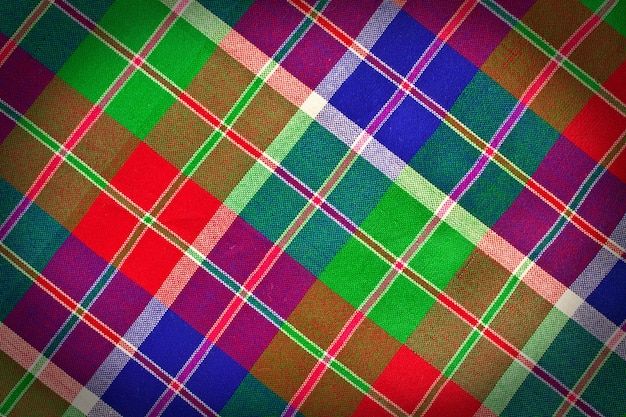
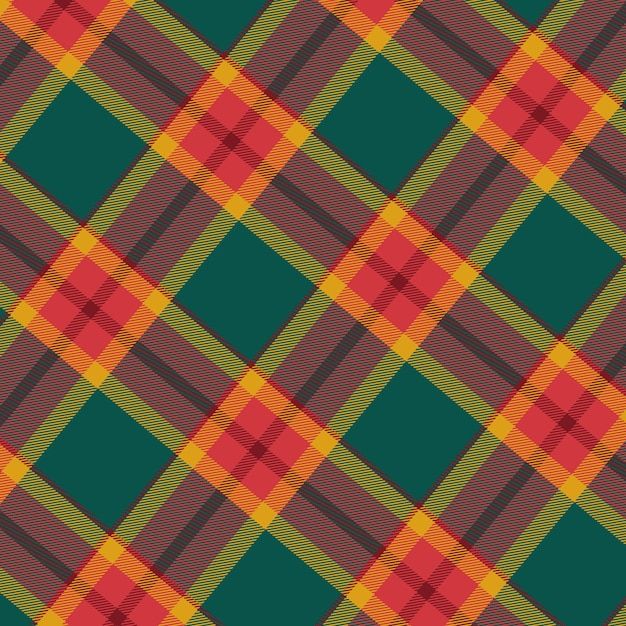
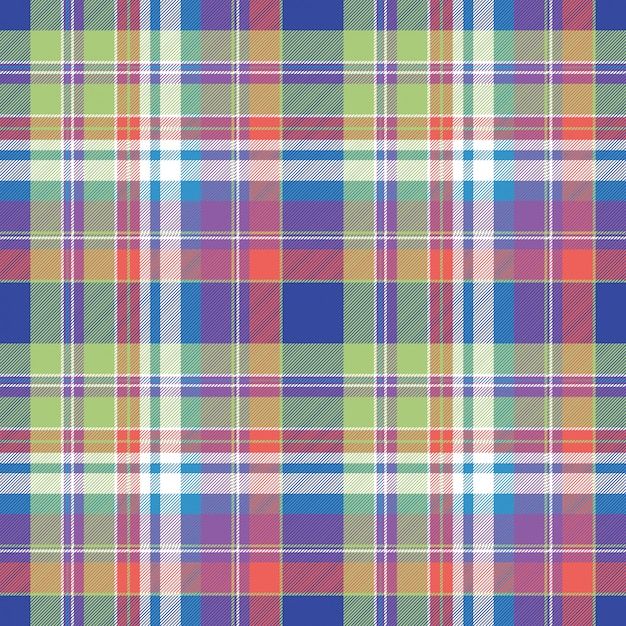
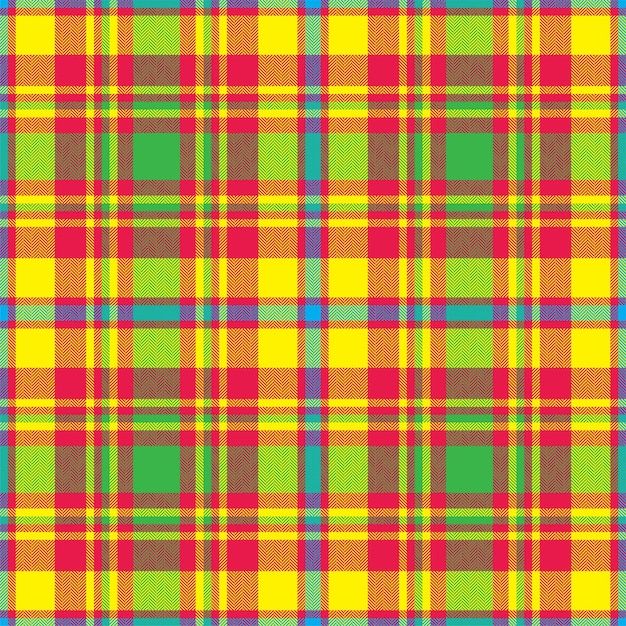
Madras is both a fabric and a pattern: a lightweight, breathable 100% cotton textile woven from short-staple cotton fibres, and the bold intersecting check-and-stripe pattern woven into its structure. Authentic Madras is handwoven, evidenced by characteristic slubs - irregular thick spots in the yarn caused by the short, uncombable cotton fibre - and by the slight variations in each piece that result from individual hand-weaving. The pattern takes its name from the former name of Chennai, the city in Tamil Nadu, South India, where the fabric originated. It is considered the definitive summer plaid: lighter weight and more breathable than traditional woollen tartan or heavier cotton checks, and distinguished by its use of brighter, more tropical colours.
We use cookies to improve your experience and understand how PatternDesigners is used.
Madras is both a fabric and a pattern: a lightweight, breathable 100% cotton textile woven from short-staple cotton fibres, and the bold intersecting check-and-stripe pattern woven into its structure. Authentic Madras is handwoven, evidenced by characteristic slubs - irregular thick spots in the yarn caused by the short, uncombable cotton fibre - and by the slight variations in each piece that result from individual hand-weaving.
The pattern takes its name from the former name of Chennai, the city in Tamil Nadu, South India, where the fabric originated. It is considered the definitive summer plaid: lighter weight and more breathable than traditional woollen tartan or heavier cotton checks, and distinguished by its use of brighter, more tropical colours.
Madras is characterised by:
Madras is a woven pattern - the design is created by the arrangement of different-coloured warp and weft threads in the loom rather than being printed on the surface. The pattern structure is a tartan-type grid: vertical stripes of different colours in the warp intersect with horizontal stripes of different colours in the weft, creating a rectangular checked field.
Unlike regular tartan, Madras typically uses an asymmetric stripe sequence - stripes of varying widths at irregular intervals - producing the characteristic "uneven" checked look. Modern Madras prints reproduce this visual appearance on flat fabric rather than through weaving.
Contemporary patchwork Madras is also commercially active: multiple Madras plaids are cut into squares or rectangles and sewn together to create a mixed-plaid composition.
The classic Madras palette centres on bright, saturated tropical colours: red, blue, green, yellow, orange. The original vegetable-dye colours - limited to red (from madder), blue (indigo), and black - gave historical Madras a distinctive warm/cool character that the modern expanded palette retains in spirit.
By mid-20th century American preppy conventions, Madras was particularly associated with lime green, coral, and navy combinations. "Bleeding Madras" - the muted, blended effect of vegetable-dye garments washed in warm water - produced a softer, more muted palette that was itself briefly fashionable.
The name Madras traces to Madraspatnam, a fishing village where the English East India Company established a trading post in the mid-17th century. Cotton weaving was the region's primary local industry, and the EIC became involved in producing and exporting the fabric, eventually bringing English weavers to work alongside local craftsmen.
By the 16th century, Madras cotton had evolved to include embroidered or printed floral and religious designs; the intersecting plaid structure came later. The first documented appearance of Madras in America is a Sears catalogue entry in 1897. A 1919 New York Times report noted shortages of the fabric in the US market.
The defining American cultural moment for Madras came in 1958, when a shipment of 10,000 yards sold to Brooks Brothers produced the "bleeding Madras" scandal - garments fading in the wash due to unstable vegetable dyes. David Ogilvy's advertising response - marketing the bleeding as a feature ("guaranteed to bleed") - became a notable case study in commercial communication. By the 1960s, Madras plaid shirts had become firmly established as preppy summer wear among post-war American baby boomers, a status association reinforced by its Caribbean vacation origins in the 1930s.
Madras is the national dress fabric of Antigua and Barbuda (since 1994) and is traditionally used in carnival costumes in Martinique and Guadeloupe.
Madras is both a fabric and a pattern: a lightweight, breathable 100% cotton textile woven from short-staple cotton fibres, and the bold intersecting check-and-stripe pattern woven into its structure.
Geometric
Madras is a woven pattern - the design is created by the arrangement of different-coloured warp and weft threads in the loom rather than being printed on the surface.
Intersecting check grid: The defining visual element; coloured bands at varying widths Stripe combinations: In some Madras variants, stripes in one direction dominate; in others, the check is more even Patchwork Madras: Multiple different Madras plaids combined in a grid layout
The classic Madras palette centres on bright, saturated tropical colours: red, blue, green, yellow, orange. The original vegetable-dye colours - limited to red (from madder), blue (indigo), and black - gave historical Madras a distinctive warm/cool character that the modern expanded palette retains in spirit.
The name Madras traces to Madraspatnam, a fishing village where the English East India Company established a trading post in the mid-17th century.