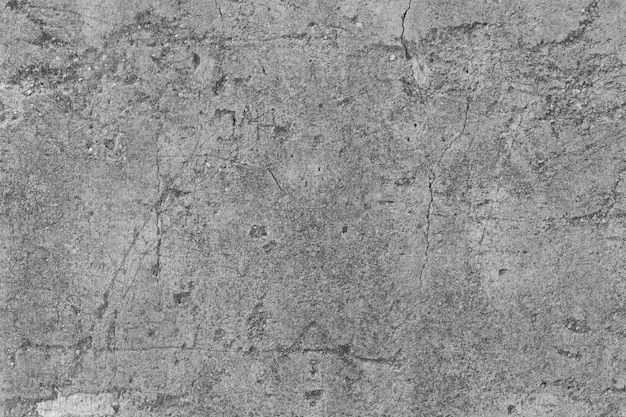
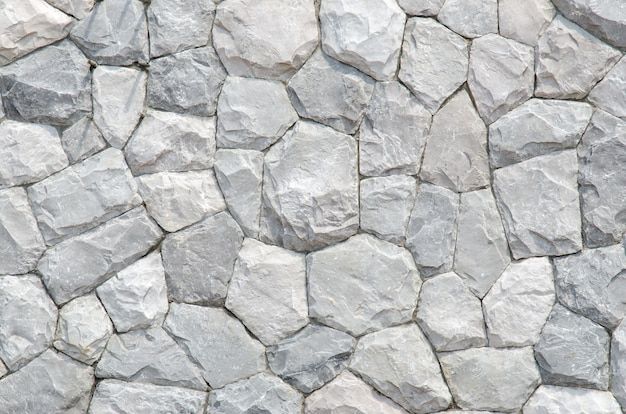
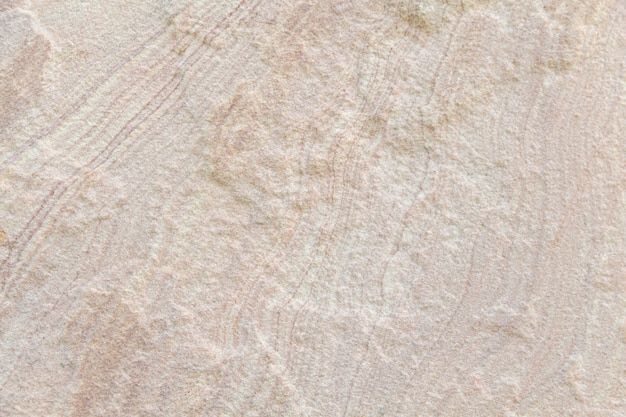
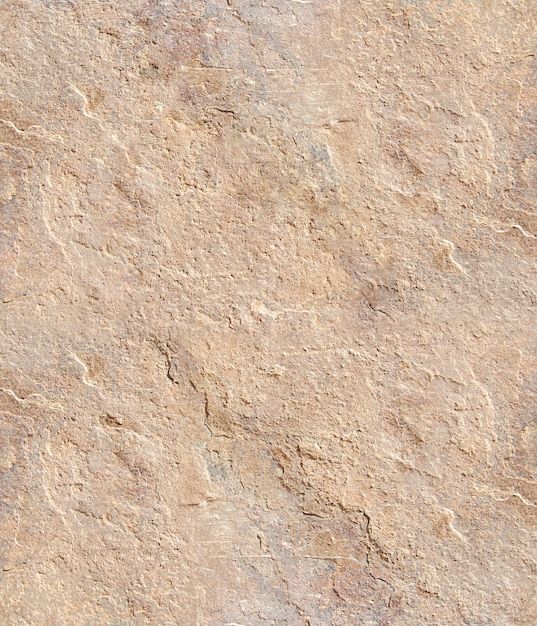
Stone patterns occupy a dual function in surface design: they appear as decorative motifs referencing stone's aesthetic qualities (texture, grain, natural variation), and as structural patterns derived from the conventions of masonry construction (how stone blocks are cut and laid). In interior design, stone-effect surface pattern is widely used to simulate the appearance of costly or heavy stone materials on printed or laminated surfaces. In decorative pattern, stone textures are drawn on for their tactile visual weight and natural irregularity.
We use cookies to improve your experience and understand how PatternDesigners is used.
Stone patterns occupy a dual function in surface design: they appear as decorative motifs referencing stone's aesthetic qualities (texture, grain, natural variation), and as structural patterns derived from the conventions of masonry construction (how stone blocks are cut and laid). In interior design, stone-effect surface pattern is widely used to simulate the appearance of costly or heavy stone materials on printed or laminated surfaces. In decorative pattern, stone textures are drawn on for their tactile visual weight and natural irregularity.
Stone pattern aesthetics vary significantly by stone type and finishing:
Surface finish further affects appearance: riven (natural split surface, rough), tumbled (worn rounded edges, antique quality), honed (smooth but not reflective), and polished (high-gloss, reflective).
Stone laying patterns are themselves repeat structures, each with a distinct visual rhythm:
In CAD and architectural drafting, standardised hatch patterns represent different stone types - these are a specific application of stone pattern in technical drawing contexts.
Stone patterns are defined by material quality rather than figurative motif. The primary visual elements are: block outlines (mortar joints or natural cracks), surface grain and veining (particularly in marble and granite), and natural colour variation within each unit. In marble pattern, the vein (a mineral intrusion producing flowing line patterns through the stone) is the key aesthetic feature.
Stone palettes are naturally derived:
Stone patterns in surface design tend toward naturalistic, desaturated palettes. Marble-effect printing uses fluid, flowing vein lines in contrast to the ground colour.
Masonry laying patterns - ashlar, running bond, herringbone - developed over millennia as both structural and aesthetic conventions. Roman opus reticulatum and opus incertum are documented early examples of decorative masonry patterning. The use of stone-effect printing on textiles, wallpaper, and laminate surfaces is a modern industrial application, driven by demand for the aesthetic of stone in contexts where real stone is impractical, expensive, or too heavy. Marble-effect printing in particular has been a recurring interior design trend, particularly in high-volume printed wallpaper and vinyl flooring categories.
Stone patterns occupy a dual function in surface design: they appear as decorative motifs referencing stone's aesthetic qualities (texture, grain, natural variation), and as structural patterns derived from the conventions of masonry construction (how stone blocks are cut and laid).
Fundamentals
Check and Stripe
Stone patterns are defined by material quality rather than figurative motif. The primary visual elements are: block outlines (mortar joints or natural cracks), surface grain and veining (particularly in marble and granite), and natural colour variation within each unit.
Masonry laying patterns - ashlar, running bond, herringbone - developed over millennia as both structural and aesthetic conventions. Roman opus reticulatum and opus incertum are documented early examples of decorative masonry patterning.