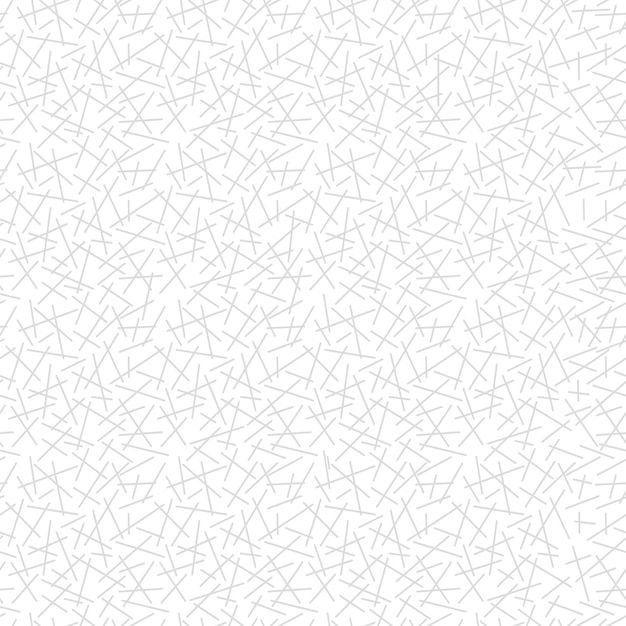
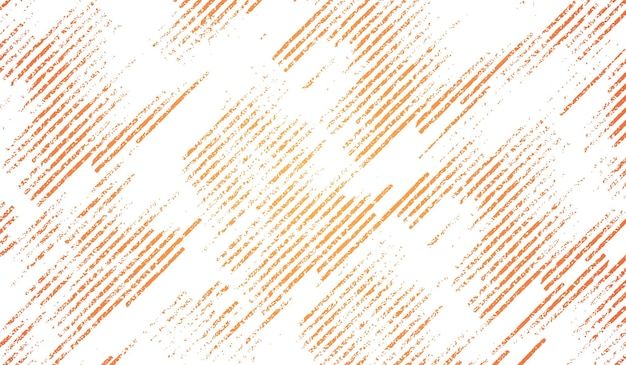
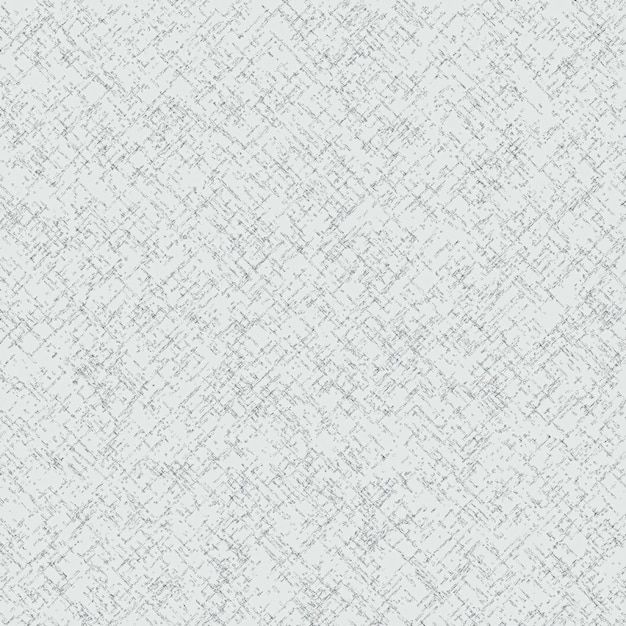
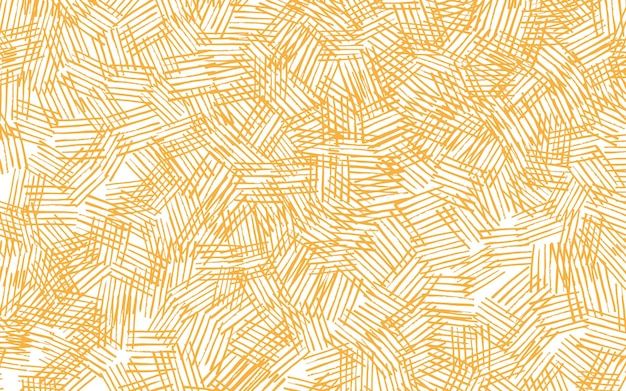
Texture patterns occupy the boundary between surface pattern and material simulation. Their function is to add visual depth, tactile suggestion, and material character to flat surfaces. In surface pattern design, texture works both as a standalone aesthetic (small-scale all-over patterns that create a textural ground) and as an explicit simulation of specific materials - woven cloth, wood grain, stone, linen, canvas, leather, or natural fibre. The category is commercially significant in interior design, wallpaper, and substrate printing where the illusion of material quality is a purchasing driver.
We use cookies to improve your experience and understand how PatternDesigners is used.
Texture patterns occupy the boundary between surface pattern and material simulation. Their function is to add visual depth, tactile suggestion, and material character to flat surfaces. In surface pattern design, texture works both as a standalone aesthetic (small-scale all-over patterns that create a textural ground) and as an explicit simulation of specific materials - woven cloth, wood grain, stone, linen, canvas, leather, or natural fibre. The category is commercially significant in interior design, wallpaper, and substrate printing where the illusion of material quality is a purchasing driver.
Texture patterns are typically characterised by:
The source distinguishes: rough surfaces as visually active and engaging; smooth surfaces as visually restful. Decorative texture is deliberately applied to embellish; spontaneous texture arises from accidental processes; mechanical texture comes from photographic grain, printing screens, and other tool-mediated processes.
Texture patterns typically use seamless all-over tile structures with minimal directional bias, allowing them to read as continuous surface material rather than as a repeating motif. Linen and canvas weave simulations use very fine, tight repeat structures. Wood grain and marble texture simulations use flowing directional patterns. Woven textile simulations replicate the structure of specific cloth constructions (houndstooth, tweed, linen, canvas) in print form.
Texture patterns are defined by material reference rather than figurative motif. The most commercially used texture categories in surface pattern include:
Texture patterns tend toward naturalistic, restrained colour palettes - the colour is subordinate to the material simulation goal. Linen textures in neutral cream and greige; stone textures in grey, white, and buff; wood grain in warm tawny and umber ranges. More stylised or decorative texture patterns may use any colour but maintain a visually active surface quality rather than a flat, even tone.
The simulation of expensive or unavailable materials through printed surfaces has a long commercial history. Printed linen-texture wallpaper, faux-stone fresco finishes, and printed wood-effect laminates are all established categories driven by the desire for material quality at accessible price points. Hypertexture - a digital technique for generating photorealistic texture simulations - is referenced in the source as a contemporary extension of this tradition into computational rendering. Spontaneous texture (accidental surface effects from painting, printing, or material processing) is specifically valued in contemporary design for the visual interest and uniqueness it adds relative to smooth computer-generated surfaces.
Texture patterns occupy the boundary between surface pattern and material simulation. Their function is to add visual depth, tactile suggestion, and material character to flat surfaces.
Fundamentals
Texture patterns typically use seamless all-over tile structures with minimal directional bias, allowing them to read as continuous surface material rather than as a repeating motif. Linen and canvas weave simulations use very fine, tight repeat structures.
Texture patterns are defined by material reference rather than figurative motif.
Texture patterns tend toward naturalistic, restrained colour palettes - the colour is subordinate to the material simulation goal. Linen textures in neutral cream and greige; stone textures in grey, white, and buff; wood grain in warm tawny and umber ranges.
The simulation of expensive or unavailable materials through printed surfaces has a long commercial history. Printed linen-texture wallpaper, faux-stone fresco finishes, and printed wood-effect laminates are all established categories driven by the desire for material quality at accessible price points.