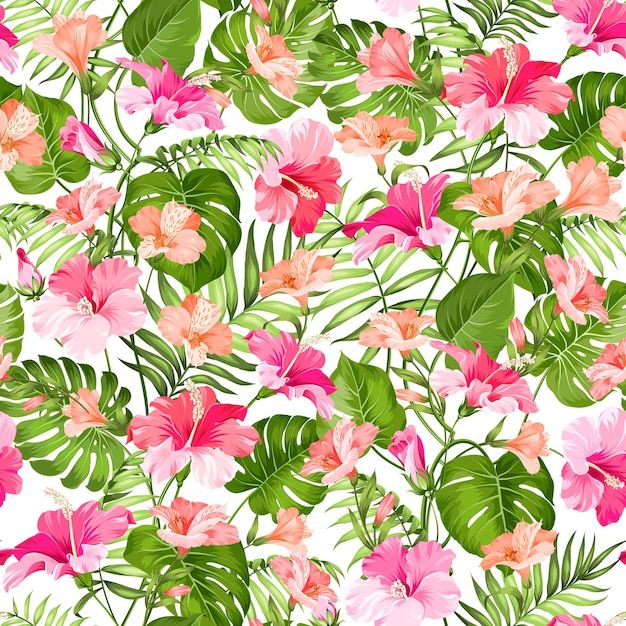
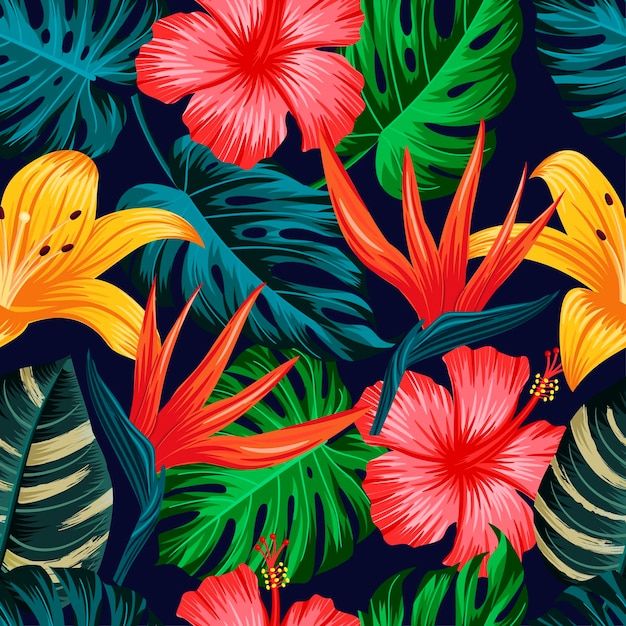
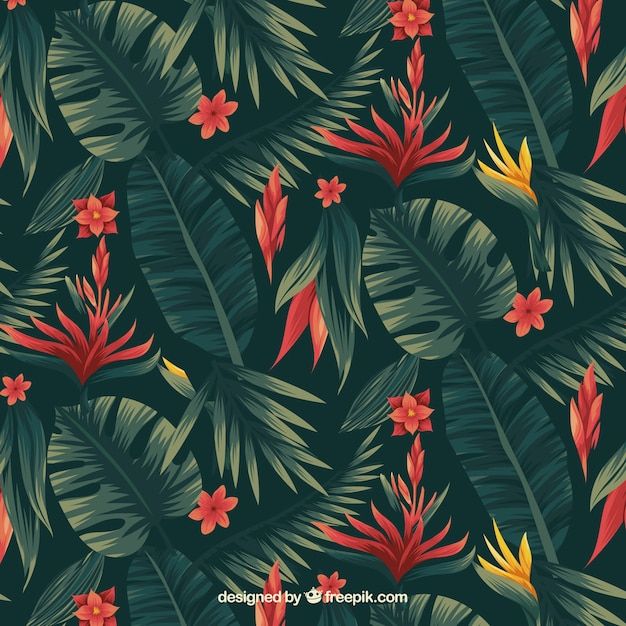
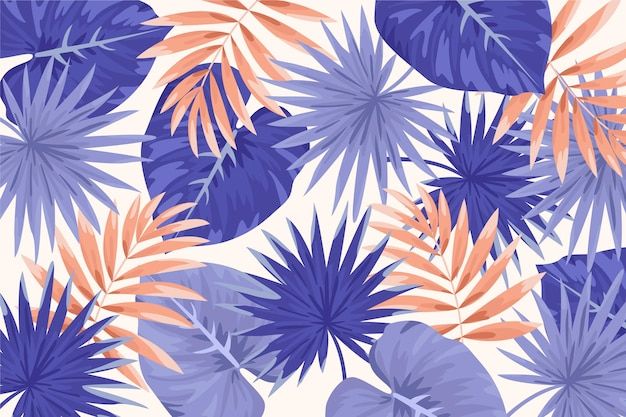
Tropical patterns draw on the visual abundance of tropical and subtropical ecosystems: oversized leaves, bright flowers, vivid birds, and intense colour. The category spans a broad range from the loose, sparse Hawaiian print tradition of the 1950s to the dense, maximalist contemporary interpretations favoured in luxury wallpaper and resort fashion. Tropical patterns sustain strong perennial commercial demand driven by warm-weather travel, resort fashion, summer home collections, and the enduring appeal of lush, escapist botanical imagery.
We use cookies to improve your experience and understand how PatternDesigners is used.
Tropical patterns draw on the visual abundance of tropical and subtropical ecosystems: oversized leaves, bright flowers, vivid birds, and intense colour. The category spans a broad range from the loose, sparse Hawaiian print tradition of the 1950s to the dense, maximalist contemporary interpretations favoured in luxury wallpaper and resort fashion. Tropical patterns sustain strong perennial commercial demand driven by warm-weather travel, resort fashion, summer home collections, and the enduring appeal of lush, escapist botanical imagery.
The characteristic visual quality of tropical pattern is abundance and saturation. Key distinguishing features:
The 1950s Hawaiian print is visually distinct from contemporary tropical: it uses sparser motifs (3-4 hues, surfboards, hula imagery, open compositions) at a smaller scale. Contemporary maximalist tropical uses dense, multi-layered compositions in rich, complex palettes.
Tropical patterns most commonly use flowing, random/toss arrangements or half-drop repeats to distribute motifs naturalistically. Engineered placement prints - with specific key motifs (a large palm, a bird of paradise) positioned precisely on a garment or panel - are also commercially important, particularly for resort fashion. The large scale of tropical motifs (monstera leaves at 3-8 inches) means repeat structure must be planned carefully to avoid obvious tiling across final products.
Flora:
Fauna:
Hawaiian cultural symbols (where used with cultural awareness):
Four main tropical palettes are commercially used:
The Hawaiian print, developed in the 1930s-1950s, is the direct commercial progenitor of the modern tropical pattern category. Early Hawaiian prints were produced using Japanese kimono fabric production techniques applied to local imagery, creating a distinctive sparse print aesthetic that became globally associated with leisure and resort culture. The growth of international leisure travel from the mid-20th century spread tropical aesthetics beyond Hawaii to the broader resort fashion market. In the 2010s and 2020s, tropical pattern underwent significant commercial expansion driven by the rise of destination travel, social media aesthetics favouring vivid colour, and the influence of botanical maximalism in interior design. Luxury wallpaper brands and fashion designers significantly elevated the category's price positioning.
Tropical patterns draw on the visual abundance of tropical and subtropical ecosystems: oversized leaves, bright flowers, vivid birds, and intense colour.
The characteristic visual quality of tropical pattern is abundance and saturation.
Seasonal
Tropical patterns most commonly use flowing, random/toss arrangements or half-drop repeats to distribute motifs naturalistically.
Botanical and Animal
Tropical and Maximalist
The Hawaiian print, developed in the 1930s-1950s, is the direct commercial progenitor of the modern tropical pattern category.