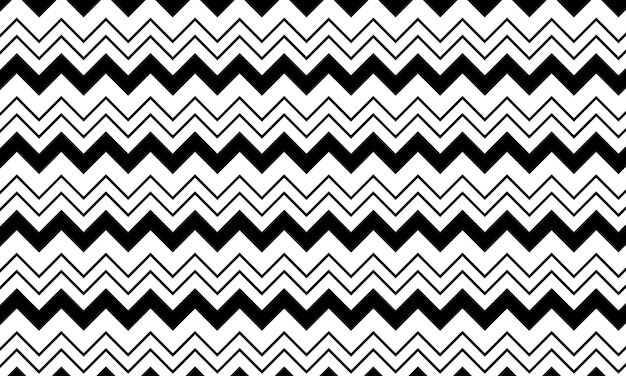
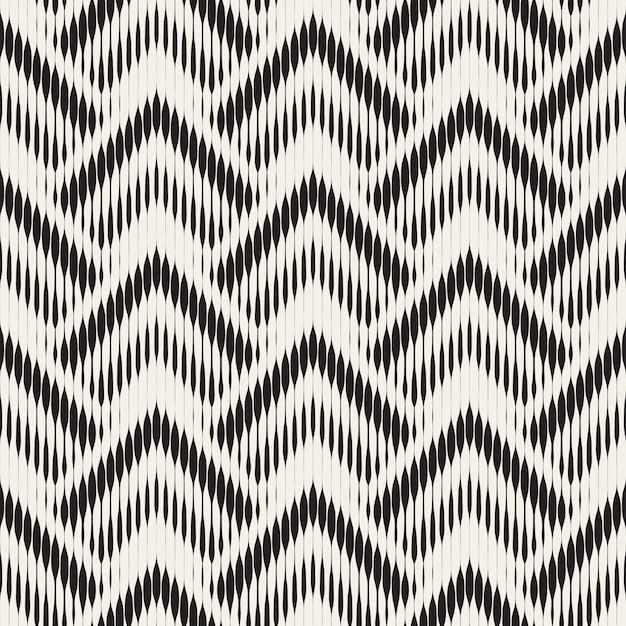
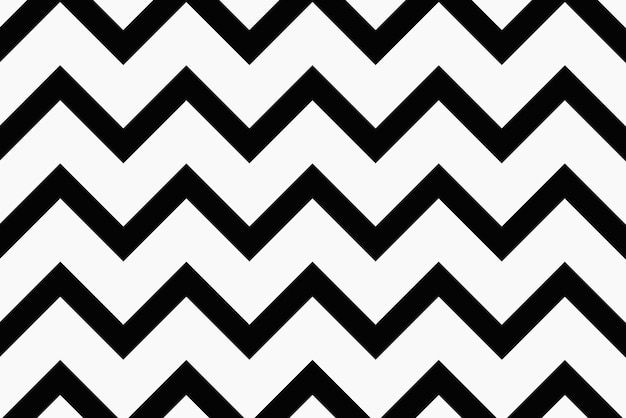
The zigzag is one of the simplest and most energetically direct structures in surface pattern design. Defined by its sharp alternation between two diagonal directions, the zigzag creates a visual rhythm that is stronger and more angular than a wave and more dynamic than a stripe. The pattern appears across textile design, architectural ornament, graphic design, and everyday objects (pinking shears, seismograph traces) in a remarkably consistent form, reflecting the visual directness of the structure.
We use cookies to improve your experience and understand how PatternDesigners is used.
The zigzag is one of the simplest and most energetically direct structures in surface pattern design. Defined by its sharp alternation between two diagonal directions, the zigzag creates a visual rhythm that is stronger and more angular than a wave and more dynamic than a stripe. The pattern appears across textile design, architectural ornament, graphic design, and everyday objects (pinking shears, seismograph traces) in a remarkably consistent form, reflecting the visual directness of the structure.
A zigzag is a series of line segments of constant length meeting at constant alternating angles - producing the characteristic row-of-Ws or row-of-Ms profile. The sharpness of the point angles determines the pattern's character: acute angles read as more aggressive and energetic; obtuse angles approach the wave and read as softer. Multiple stacked zigzag rows create a herringbone-like or chevron-like surface. The zigzag has strong directionality and creates a sense of movement along the horizontal axis.
The zigzag can be described mathematically as a skew apeirogon - an infinite sequence of line segments at alternating constant angles. It is generated by glide reflection symmetry: a combination of reflection and horizontal translation. This symmetry property means the zigzag tiles horizontally to produce a continuous, seamless repeat structure.
In surface pattern design, the zigzag is most commonly used as:
The zigzag itself is the primary motif and is structurally self-contained. Supporting applications include: decorative borders in Aztec, Native American, and African textile traditions; architectural ornament in Islamic, Norman, and Romanesque styles (the "zigzag arch"); zigzag-cut fabric edges (pinking shears); and machine stitch zigzag (the standard zigzag stitch used in domestic sewing machines as both structural and decorative).
Zigzag patterns in high contrast (two-colour) are the most graphically powerful. Multi-colour zigzag bands (as in Andean and Navajo textile traditions) create complex, rhythmic colour sequences. Single-colour zigzag on a contrasting ground reads as clean and geometric. The choice of angle determines whether the pattern reads as bold and sharp (acute angles) or relaxed and flowing (obtuse angles approaching a wave).
The word "zigzag" first appears in French in the late 17th century, origin uncertain. As a structural form, however, the zigzag appears across virtually all decorative art traditions. The zigzag arch - rows of chevron-shaped arches - is characteristic of Islamic, Byzantine, Norman, and Romanesque architectural decoration. Switchback roads (using repeated sharp turns to ascend steep terrain) have been in use since antiquity and are directly comparable in form - the terraced zigzag path to Machu Picchu is a documented historical example. In practical textile tools, pinking shears cut a zigzag edge on fabric to prevent fraying, one of the most common household applications of the zigzag form. The zigzag machine stitch (programmed into domestic sewing machines for decorative finishing) is similarly ubiquitous. Seismographs, by recording ground movement as a traced line, produce characteristic zigzag traces - the most familiar representation of earthquake and seismic event data.
The zigzag is one of the simplest and most energetically direct structures in surface pattern design. Defined by its sharp alternation between two diagonal directions, the zigzag creates a visual rhythm that is stronger and more angular than a wave and more dynamic than a stripe.
A zigzag is a series of line segments of constant length meeting at constant alternating angles - producing the characteristic row-of-Ws or row-of-Ms profile.
Geometric
The zigzag can be described mathematically as a skew apeirogon - an infinite sequence of line segments at alternating constant angles. It is generated by glide reflection symmetry: a combination of reflection and horizontal translation.
The zigzag itself is the primary motif and is structurally self-contained.
Zigzag patterns in high contrast (two-colour) are the most graphically powerful. Multi-colour zigzag bands (as in Andean and Navajo textile traditions) create complex, rhythmic colour sequences. Single-colour zigzag on a contrasting ground reads as clean and geometric.
The word "zigzag" first appears in French in the late 17th century, origin uncertain. As a structural form, however, the zigzag appears across virtually all decorative art traditions.