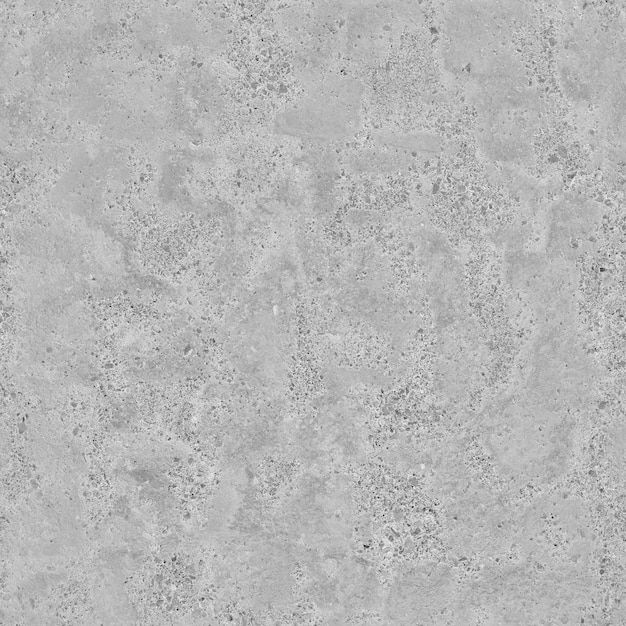
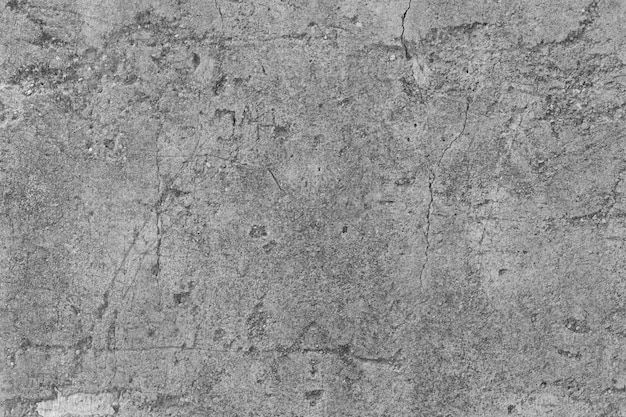
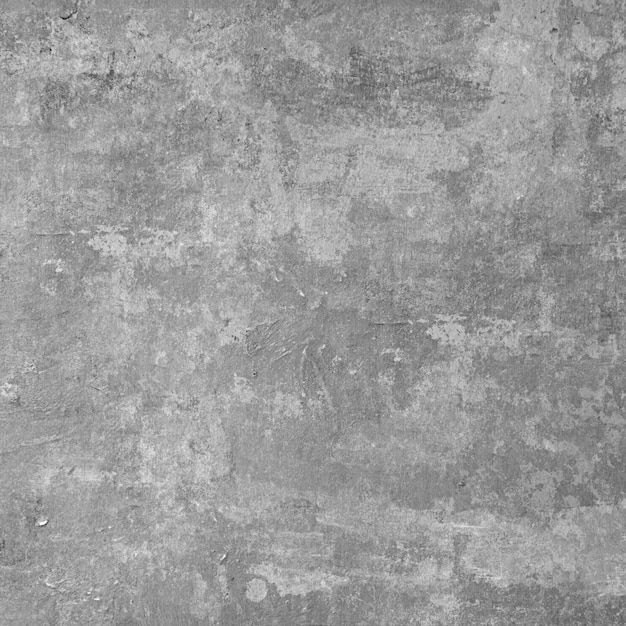
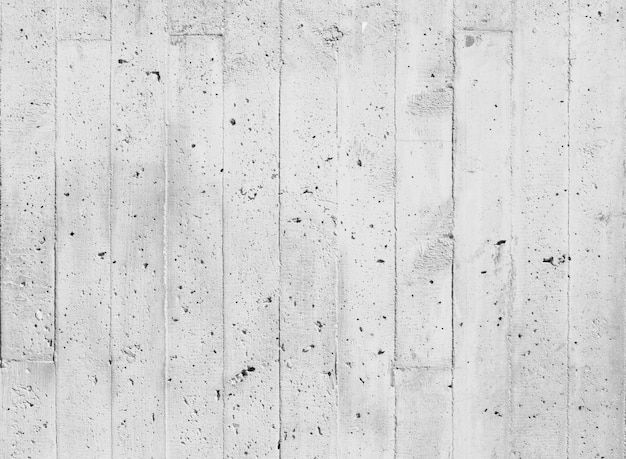
Concrete pattern in surface design draws on the aesthetic of exposed concrete architecture - a visual language associated with Brutalism, modernism, urban environments, and industrial material honesty. As a texture reference, concrete provides a neutral, granular surface that functions as a background or structural element in surface design rather than as a decorative motif. Its commercial applications are primarily in interior materials (wallpaper, tile, printed flooring) and as a background texture in graphic design and stationery. The source available covers architectural and construction-focused concrete patterning rather than directly SPD-specific applications.
We use cookies to improve your experience and understand how PatternDesigners is used.
Concrete pattern in surface design draws on the aesthetic of exposed concrete architecture - a visual language associated with Brutalism, modernism, urban environments, and industrial material honesty. As a texture reference, concrete provides a neutral, granular surface that functions as a background or structural element in surface design rather than as a decorative motif. Its commercial applications are primarily in interior materials (wallpaper, tile, printed flooring) and as a background texture in graphic design and stationery. The source available covers architectural and construction-focused concrete patterning rather than directly SPD-specific applications.
Concrete surface texture ranges from the fine, near-smooth character of polished or ground concrete through the coarse aggregate surface of raw poured concrete to the deeply imprinted texture of formwork-marked or stamped concrete. Colour is inherently neutral - grey tones from near-white to dark charcoal, sometimes with warm or cool undertones depending on aggregate composition. Decorative concrete surfaces can imitate other materials: stamped concrete replicates cobblestone, brick, slate, and wood plank textures. Graphic concrete uses photographic or geometric imagery embedded into the formwork surface, transferring to the cast concrete face.
Concrete-derived patterns appear in several structural formats:
Concrete pattern has no figurative motif. Visual interest is derived from:
Concrete's natural colour range covers neutral greys - from near-white through mid-grey to dark charcoal - with subtle warm or cool tonality. In surface design applications this palette reads as modern, minimal, industrial, and urban. The aesthetic is associated with contemporary architecture, Scandinavian minimalism, and the broader "raw material" design trend. Coloured or pigmented concrete expands beyond grey but is less common as a surface design reference point.
Concrete as a construction material has ancient origins - Roman opus caementicium is an early form. Decorative concrete patterning as documented in the available source focuses on architectural stamped concrete - a 20th-century technique producing decorative surface textures in poured concrete floors, driveways, and patios. As a surface design aesthetic, concrete texture entered mainstream interior design via the influence of Brutalist architecture in the mid-20th century and its subsequent reassessment as a design influence from the 2000s onwards.
Concrete pattern in surface design draws on the aesthetic of exposed concrete architecture - a visual language associated with Brutalism, modernism, urban environments, and industrial material honesty.
Concrete surface texture ranges from the fine, near-smooth character of polished or ground concrete through the coarse aggregate surface of raw poured concrete to the deeply imprinted texture of formwork-marked or stamped concrete.
Fundamentals
Concrete pattern has no figurative motif.
Concrete's natural colour range covers neutral greys - from near-white through mid-grey to dark charcoal - with subtle warm or cool tonality. In surface design applications this palette reads as modern, minimal, industrial, and urban.
Concrete as a construction material has ancient origins - Roman opus caementicium is an early form.
Stone Pattern