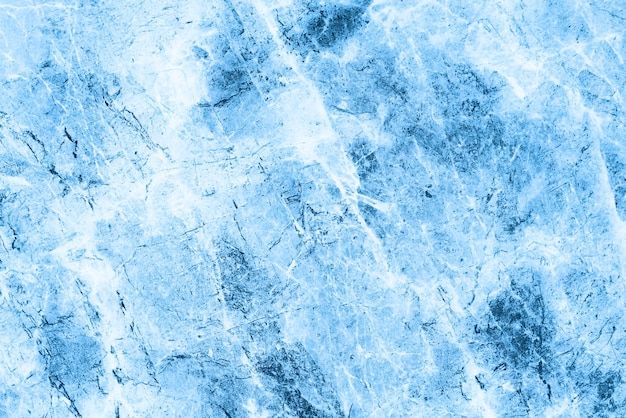
Ice patterns in surface pattern design take their visual vocabulary from natural frost and ice crystal formations. The branching, fern-like structures that form when water freezes slowly - across glass, on wet surfaces, in the natural environment - produce distinctive geometric forms that have direct application in textile and wallpaper design. These structures sit between the organic and the geometric: they follow mathematical rules (dendritic branching, hexagonal symmetry in ice crystals) but result in forms that appear organic and irregular. The ice pattern category covers a range from literal representations of frost ferns and window ice to stylised geometric interpretations of crystalline forms, blending into the broader winter and snowflake pattern traditions.
We use cookies to improve your experience and understand how PatternDesigners is used.
Ice patterns in surface pattern design take their visual vocabulary from natural frost and ice crystal formations. The branching, fern-like structures that form when water freezes slowly - across glass, on wet surfaces, in the natural environment - produce distinctive geometric forms that have direct application in textile and wallpaper design. These structures sit between the organic and the geometric: they follow mathematical rules (dendritic branching, hexagonal symmetry in ice crystals) but result in forms that appear organic and irregular.
The ice pattern category covers a range from literal representations of frost ferns and window ice to stylised geometric interpretations of crystalline forms, blending into the broader winter and snowflake pattern traditions.
Natural ice formations produce several visually distinctive forms relevant to surface design:
Visual qualities associated with ice pattern include translucency (white/silver on pale blue or clear backgrounds), fine delicate line work, and a structural rigidity contrasting with the softness of melting effects.
Ice patterns can be structured in several ways depending on the design intent:
The natural form of ice and frost does not have a clear repeat unit; successful surface designs abstract the visual language rather than duplicating the literal structure.
Dominant palette: white, silver, pale blue, cool grey, and icy lavender. The translucency of natural ice encourages light-ground compositions with delicate line work in white or silver on blue backgrounds. Winter palette connections - navy, midnight blue, ice white - are commercially well-established.
Style ranges from realistic botanical-illustration quality (fine branching detail, naturalistic rendering) to graphic abstraction (strong geometric line quality, minimal colour) to luxury metallics (silver foil print on dark grounds).
Ice and frost as decorative motifs have a long presence in decorative arts, particularly in cultures with cold winters. The scientific study of ice crystal formation established their hexagonal symmetry; Ukichi Nakaya's classification of snow crystal types (1954) contributed to scientific understanding that has influenced pattern design. Natural navigator and nature writer Tristan Gooley has noted that slow-forming frost creates fern patterns while rapid freezing produces different structures - a distinction that mirrors the range of visual forms available to surface designers.
Ice-pattern aesthetics became particularly commercially prominent in winter seasonal product lines alongside the broader growth of holiday and seasonal pattern markets.
Ice patterns in surface pattern design take their visual vocabulary from natural frost and ice crystal formations.
Nature
Scatter and Radial
Celestial
Dominant palette: white, silver, pale blue, cool grey, and icy lavender. The translucency of natural ice encourages light-ground compositions with delicate line work in white or silver on blue backgrounds. Winter palette connections - navy, midnight blue, ice white - are commercially well-established.
Ice and frost as decorative motifs have a long presence in decorative arts, particularly in cultures with cold winters.