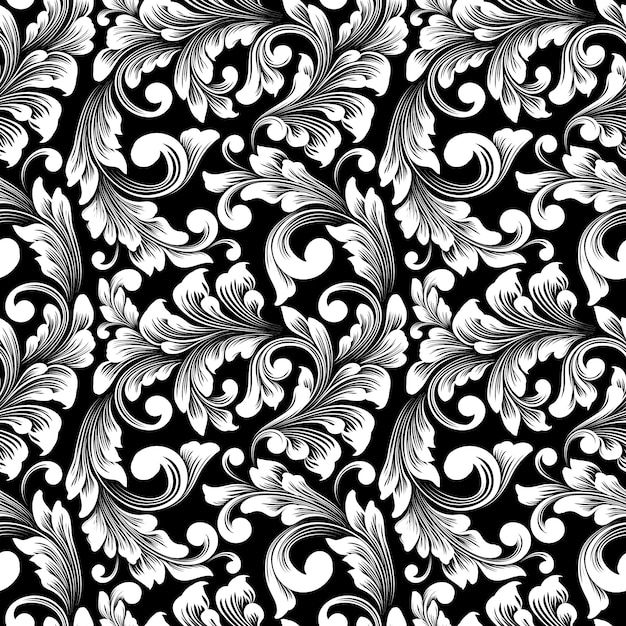
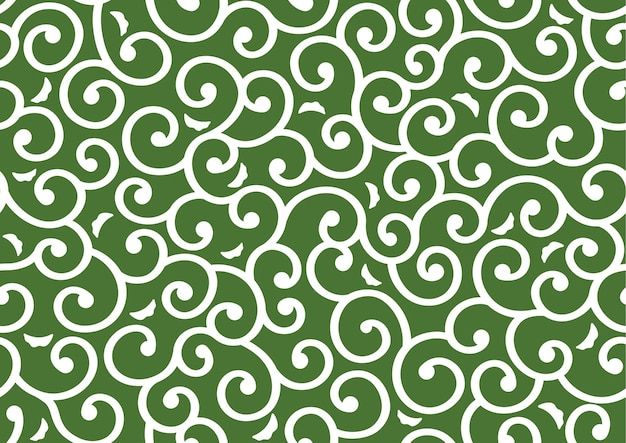
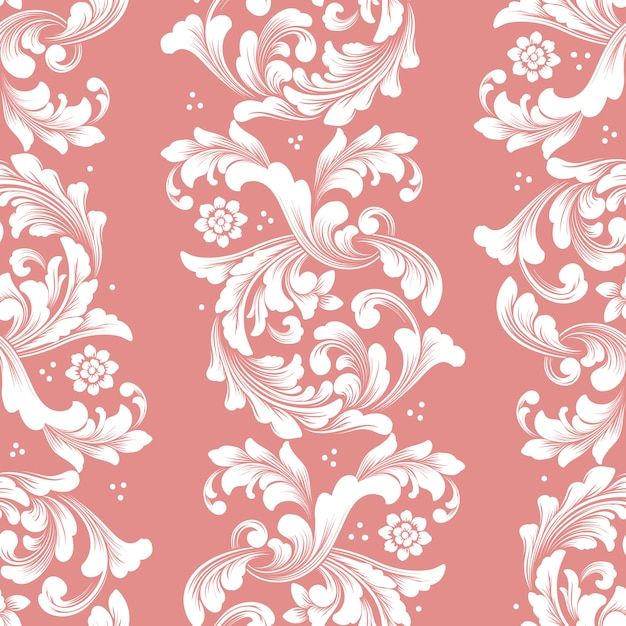
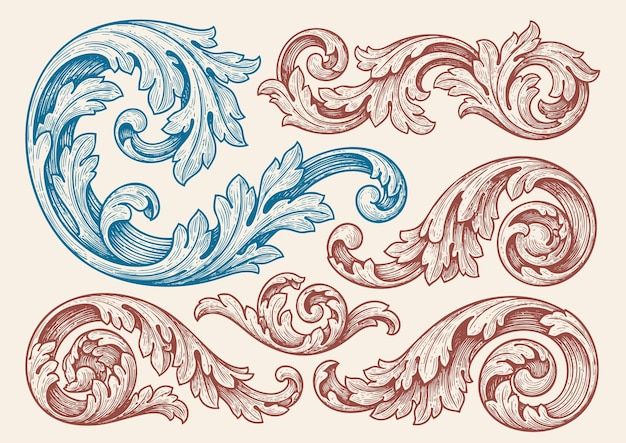
The scroll pattern is an ornamental system built from the logic of plant growth: a continuous stem that branches, curls, and spirals, producing a flowing, all-over structure that can fill any surface without obvious repeat. Unlike grid-based geometric patterns, scroll patterns follow organic rhythms - mirroring the way vines, tendrils, and climbing plants ramify through space. This structural flexibility has made scroll patterns one of the most versatile and durable motif traditions in decorative history. They appear as architectural borders, woven textile structures, painted ceramic ornament, carved stone relief, and printed wallpaper. In surface pattern design, they translate naturally into all-over repeating structures with strong commercial applications across wallpaper, furnishing fabric, fashion, and heritage design reproduction.
We use cookies to improve your experience and understand how PatternDesigners is used.
The scroll pattern is an ornamental system built from the logic of plant growth: a continuous stem that branches, curls, and spirals, producing a flowing, all-over structure that can fill any surface without obvious repeat. Unlike grid-based geometric patterns, scroll patterns follow organic rhythms - mirroring the way vines, tendrils, and climbing plants ramify through space.
This structural flexibility has made scroll patterns one of the most versatile and durable motif traditions in decorative history. They appear as architectural borders, woven textile structures, painted ceramic ornament, carved stone relief, and printed wallpaper. In surface pattern design, they translate naturally into all-over repeating structures with strong commercial applications across wallpaper, furnishing fabric, fashion, and heritage design reproduction.
Scroll patterns are defined by:
Density ranges from sparse vine-and-tendril structures with significant ground showing, to dense interlocking all-over compositions where no ground is visible.
The scroll pattern uses a flowing all-over repeat in which the stem structure provides the repeat unit. The stem connects diagonally or horizontally across the tile, with vertical branching creating the surface coverage. Well-constructed scroll repeats obscure their tile boundaries through the natural logic of branching plant growth.
Structural variants include:
Scroll pattern colour varies significantly by tradition and period:
The scroll pattern tradition begins in the Bronze Age Aegean. Minoan ceramics from Crete (c.1800-1400 BC) already show sophisticated running spiral and tendril designs. Greek painted pottery and architectural friezes formalised the vocabulary; the acanthus scroll appears definitively in Corinthian capital design (5th century BC) and became the foundational element of classical Greek and Roman rinceau ornament.
Roman architects and craftspeople spread the rinceau across the Mediterranean world - carved stone friezes, mosaic borders, painted wall plaster - establishing it as the standard ornamental framework of classical antiquity.
With the decline of the Western Roman Empire, scroll pattern development continued through Byzantine mosaics, Coptic textile weaving, and Islamic decorative art. Islamic designers transformed the naturalistic Roman vine into the arabesque - a scroll system built on geometric precision rather than botanical naturalism, avoiding representation of living forms in accordance with Islamic theological principles. The arabesque reached extraordinary formal complexity in Moorish Spain, Fatimid Egypt, and Seljuq Anatolia.
In Western Europe, medieval manuscript illumination preserved and developed inhabited scroll traditions (the rinceaux of Romanesque and Gothic manuscripts), while carved stone architectural decoration continued the Roman acanthus inheritance.
The Renaissance recovery of classical forms re-established the Graeco-Roman scroll as a prestige ornamental vocabulary in European decorative arts. By the 16th century, printed pattern books were circulating scroll and arabesque designs across Europe, directly influencing textile, wallpaper, and ceramic design.
William Morris, working in the 1870s-1890s, studied Islamic textiles and classical scroll design directly and produced some of the most commercially influential scroll-based patterns in English decorative history (Acanthus, 1874; Evenlode, 1883; Windrush, 1883). Morris scroll patterns have been in continuous commercial production since their creation.
Art Nouveau (c.1890-1910) extended the scroll tradition into an organic linear style using plant-growth dynamics more freely - the flowing line of Art Nouveau surface decoration draws directly on scroll heritage.
The scroll pattern is an ornamental system built from the logic of plant growth: a continuous stem that branches, curls, and spirals, producing a flowing, all-over structure that can fill any surface without obvious repeat.
Botanical
The scroll pattern uses a flowing all-over repeat in which the stem structure provides the repeat unit. The stem connects diagonally or horizontally across the tile, with vertical branching creating the surface coverage.
Botanical and Emblem
Arts & Crafts and Oriental
The scroll pattern tradition begins in the Bronze Age Aegean. 1800-1400 BC) already show sophisticated running spiral and tendril designs.