The star is a radial geometric motif formed from a star polygon or polygonal compound, named for its resemblance to the diffraction spikes of astronomical stars. Stars appear across heraldry, religious iconography, flags, and badges, with different point-counts carrying distinct and often unrelated symbolic meanings depending on the culture and context. As a surface pattern motif, the star's appeal comes from this combination of simple, highly legible geometry and layered symbolic weight.
We use cookies to improve your experience and understand how PatternDesigners is used.
The star is a radial geometric motif formed from a star polygon or polygonal compound, named for its resemblance to the diffraction spikes of astronomical stars. Stars appear across heraldry, religious iconography, flags, and badges, with different point-counts carrying distinct and often unrelated symbolic meanings depending on the culture and context. As a surface pattern motif, the star's appeal comes from this combination of simple, highly legible geometry and layered symbolic weight.
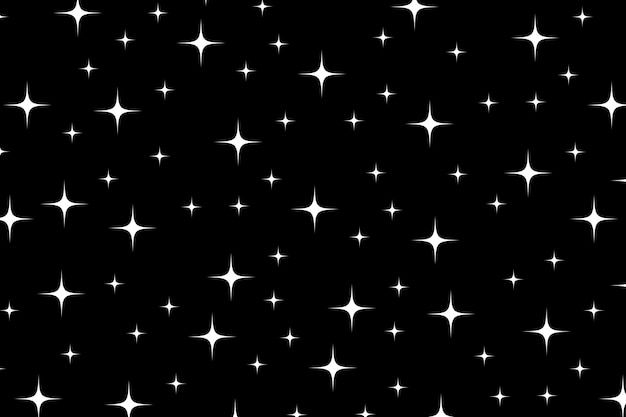
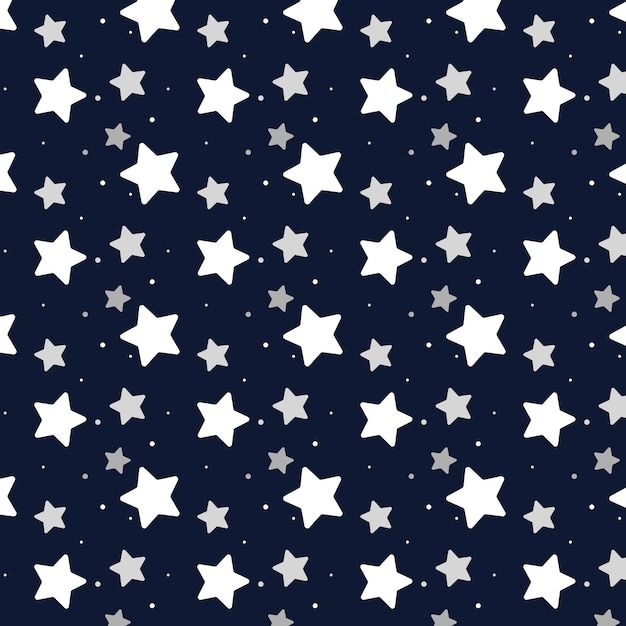
Star motifs vary by point count, each with a different silhouette: three-pointed stars are visually spare and rare; four-pointed stars read as sharp, narrow-armed forms (close to a compass rose or sparkle shape); five-pointed stars are the most common and produce the classic "ideogram" star shape, which becomes a pentagram when the collinear edges are joined; six-pointed stars formed from two interlaced triangles produce the hexagram (Star of David); seven-, eight-, nine-, eleven-, twelve-, and fourteen-pointed stars appear mainly in flags and religious emblems and read as increasingly complex radial bursts. A "golden" five-pointed star has points of equal length at 36° angles.
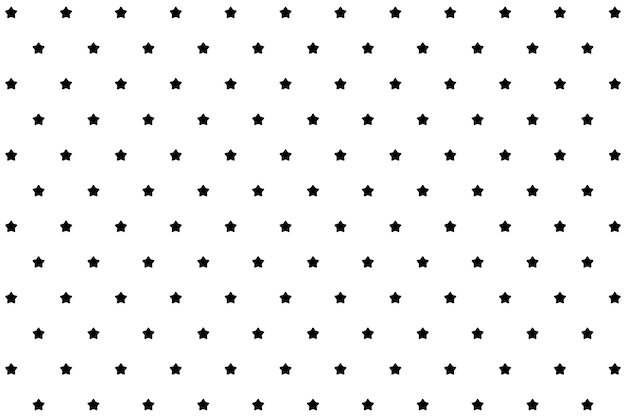
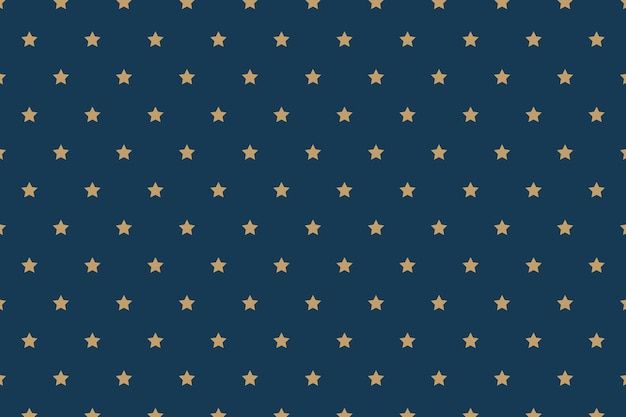
Star motifs are typically used as discrete, symmetrical radial units - either as a single feature motif or repeated as a scattered or grid-based all-over pattern. The source does not describe specific repeat-layout conventions for star motifs in surface pattern design; the structural detail available concerns the construction of the star shape itself (point count, angle, and whether edges are drawn straight or interlaced).
The source does not specify colour conventions for star motifs; stars are typically rendered as flat, solid, single-colour silhouettes in the flag, heraldic, and badge contexts it describes.
Star motifs have deep and largely independent histories across cultures: the mullet (star charge) in Western heraldry, the pentagram's mystical and magical associations, the hexagram's long association with Judaism, and the eight-pointed star's established place in Arabic/Islamic decorative art. Political and national use is extensive - the five-pointed star alone appears in the flags of 35 countries and is closely tied to 20th-century communist iconography; the Commonwealth/Federation Star of Australia and the Federal Star of Malaysia are examples of the point-count carrying specific political meaning (number of states or territories represented).
The source documents the star primarily as a symbolic and heraldic device (flags, badges, religious emblems, rank insignia) rather than as a surface pattern or textile motif; no source material addresses its use in fashion, home textile, or wallpaper design specifically. Its established use as a decorative motif in Arabic/Islamic decorative art is the strongest documented link to surface and ornamental design in the source.
The star is a radial geometric motif formed from a star polygon or polygonal compound, named for its resemblance to the diffraction spikes of astronomical stars.
The source documents the star primarily as a symbolic and heraldic device (flags, badges, religious emblems, rank insignia) rather than as a surface pattern or textile motif; no source material addresses its use in fashion, home textile, or wallpaper design specifically.
Star motifs are typically used as discrete, symmetrical radial units - either as a single feature motif or repeated as a scattered or grid-based all-over pattern.
Geometric and Emblem
The source does not specify colour conventions for star motifs; stars are typically rendered as flat, solid, single-colour silhouettes in the flag, heraldic, and badge contexts it describes.
Star motifs have deep and largely independent histories across cultures: the mullet (star charge) in Western heraldry, the pentagram's mystical and magical associations, the hexagram's long association with Judaism, and the eight-pointed star's established place in Arabic/Islamic decorative art.
Tessellation Pattern and Astrology Pattern