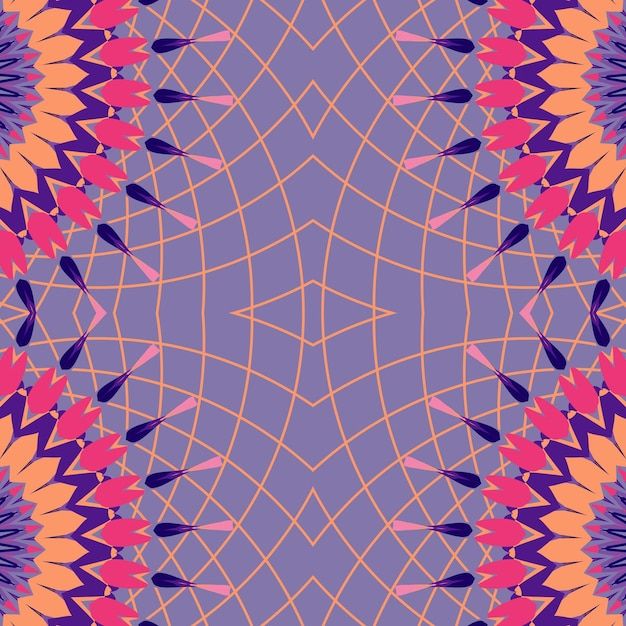
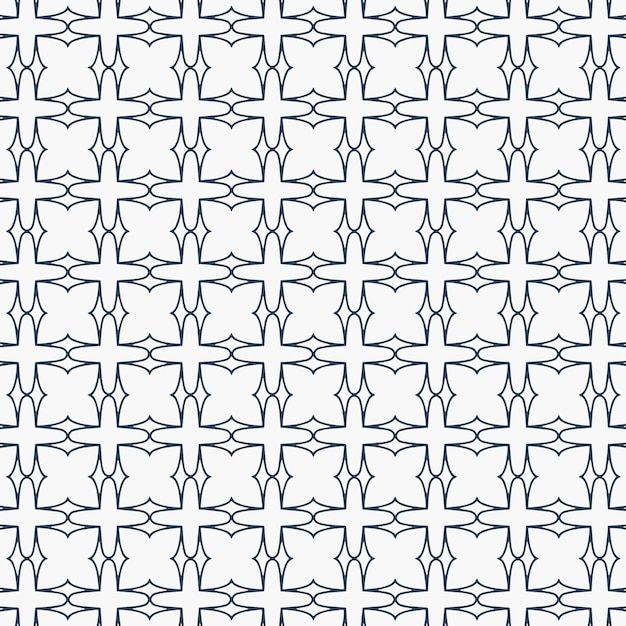
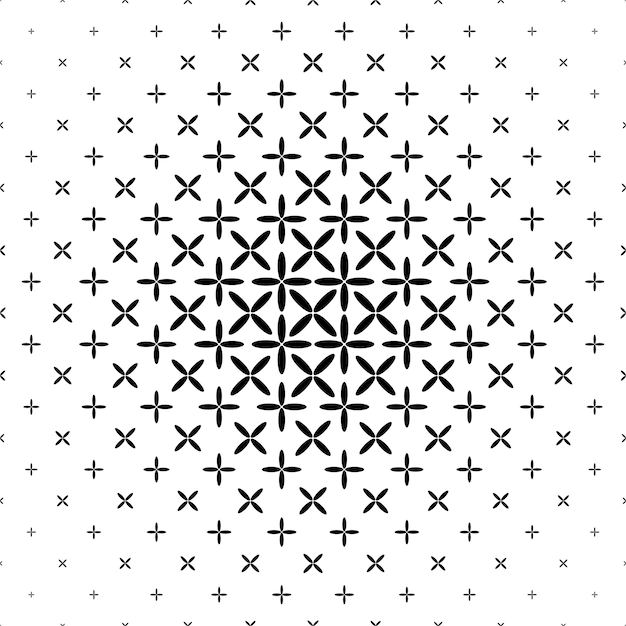
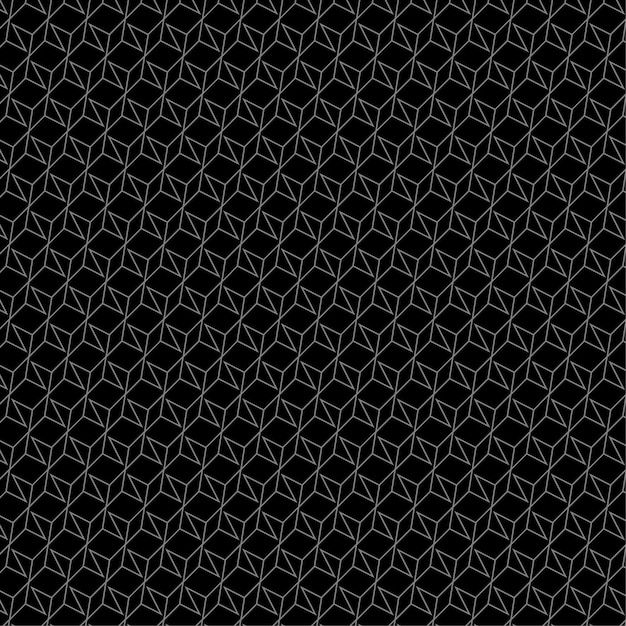
Symmetry is the mathematical and structural foundation of all repeating surface pattern. Every seamless repeat pattern uses at least translational symmetry - the ability to shift the pattern by a fixed distance and have it look identical. More complex patterns additionally use reflection (mirror), rotation, or glide reflection symmetry to create richer visual arrangements. Understanding symmetry operations is a core competency in surface pattern construction, enabling designers to build complex patterns from simple element repetitions.
We use cookies to improve your experience and understand how PatternDesigners is used.
Symmetry is the mathematical and structural foundation of all repeating surface pattern. Every seamless repeat pattern uses at least translational symmetry - the ability to shift the pattern by a fixed distance and have it look identical. More complex patterns additionally use reflection (mirror), rotation, or glide reflection symmetry to create richer visual arrangements. Understanding symmetry operations is a core competency in surface pattern construction, enabling designers to build complex patterns from simple element repetitions.
Symmetrical patterns read as balanced, ordered, and harmonious. The type of symmetry used determines the character:
Bilateral symmetry is described in the source as the most readily perceived by humans - faces, bodies, and natural forms with bilateral symmetry are processed as balanced and complete.
The 17 wallpaper groups in mathematics define every possible type of symmetry in a 2D repeating pattern. In practice, surface pattern designers work with the most common:
Symmetry is structural rather than motif-specific. However, certain motif traditions are strongly associated with specific symmetry types:
Symmetry is independent of colour. The same symmetry structure can produce radically different aesthetic effects through different colour choices. In Islamic geometric pattern and Persian rug traditions, highly saturated, contrasting colour sequences are used to activate the symmetrical structure. In minimalist contemporary design, symmetry operations are applied to monochrome or tonal palettes, producing subtle, textural effects.
The systematic study and application of symmetry to surface decoration has been documented across nearly every world culture. The Alhambra in Granada (13th-14th centuries CE) is the most cited single example of comprehensive application of planar symmetry to architectural decoration - its tilework has been analysed as embodying all 17 wallpaper groups. Persian and Central Asian rug weaving developed highly sophisticated symmetry conventions based on reflected central medallions and bordered fields. M.C. Escher's 20th-century graphic work made the mathematical exploration of symmetry and tessellation widely known, and his notebooks from visits to the Alhambra document his direct debt to Islamic geometric design.
Symmetry is the mathematical and structural foundation of all repeating surface pattern. Every seamless repeat pattern uses at least translational symmetry - the ability to shift the pattern by a fixed distance and have it look identical.
Symmetrical patterns read as balanced, ordered, and harmonious.
Fundamentals
The 17 wallpaper groups in mathematics define every possible type of symmetry in a 2D repeating pattern.
Symmetry is structural rather than motif-specific. C.
Symmetry is independent of colour. The same symmetry structure can produce radically different aesthetic effects through different colour choices. In Islamic geometric pattern and Persian rug traditions, highly saturated, contrasting colour sequences are used to activate the symmetrical structure.
The systematic study and application of symmetry to surface decoration has been documented across nearly every world culture.