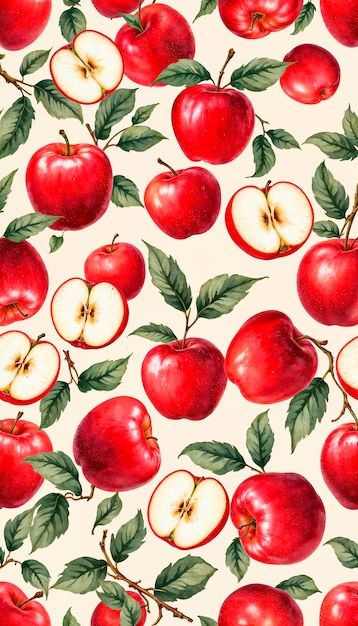
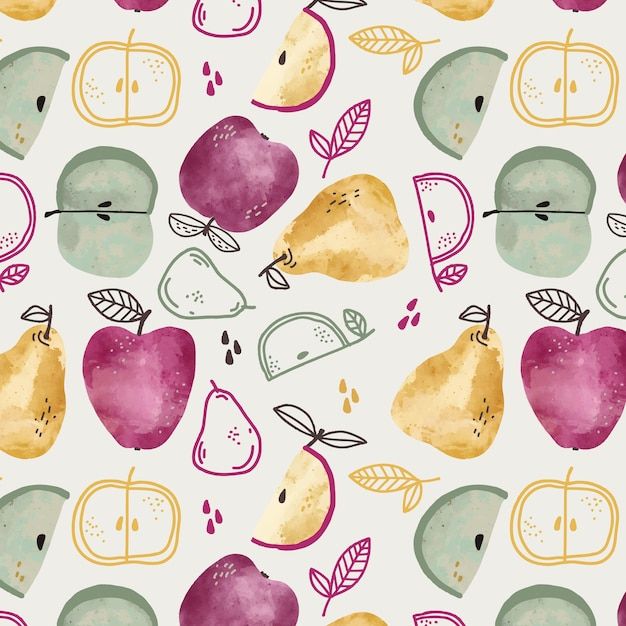
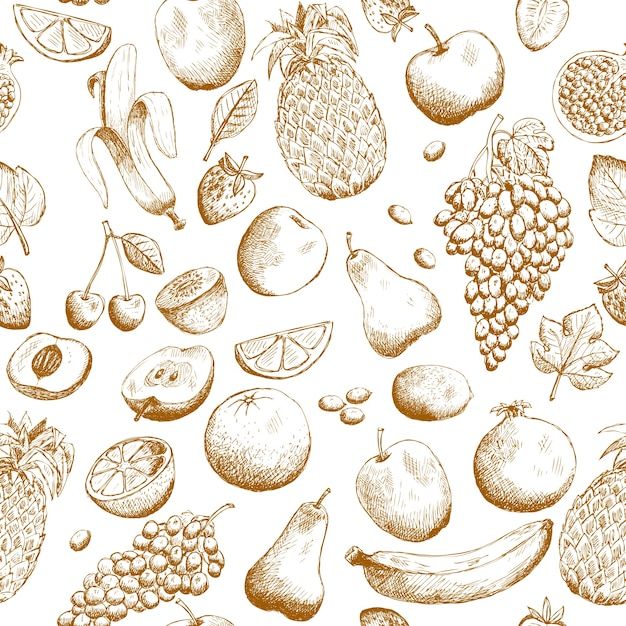
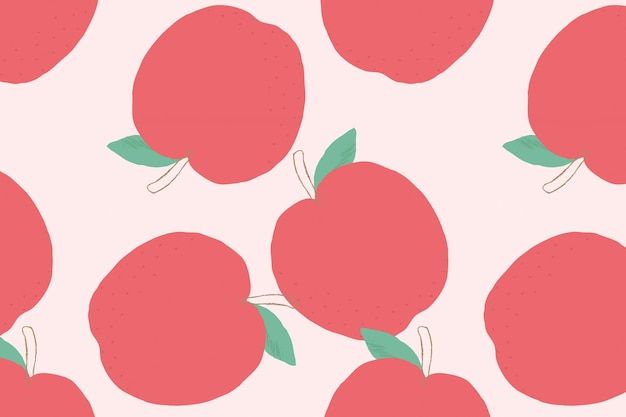
The apple pattern is a motif-driven repeat design using apple forms alongside leaves and blossoms. It sits within the broader Botanical Pattern and fruit motif categories, adaptable from naive folk illustration to detailed watercolour rendering. The motif has domestic and seasonal associations - autumn, harvest, orchard - that anchor it in home textiles, kitchen contexts, and children's design markets.
We use cookies to improve your experience and understand how PatternDesigners is used.
The apple pattern is a motif-driven repeat design using apple forms alongside leaves and blossoms. It sits within the broader Botanical Pattern and fruit motif categories, adaptable from naive folk illustration to detailed watercolour rendering. The motif has domestic and seasonal associations - autumn, harvest, orchard - that anchor it in home textiles, kitchen contexts, and children's design markets.
Apples appear as the central motif, often combined with leaves, stems, and blossom clusters. Arrangements range from flat, geometric spot layouts to loose organic scatters. The motif lends itself equally to simplified vector outlines and detailed painterly treatments.
Typically set as an all-over tossed or grid repeat. Spot patterns place individual apple motifs at regular intervals; denser designs layer leaves and blossoms to fill ground space between apple units.
Palette varies with application: red and green for traditional or folksy interpretations; muted sage, rust, and cream for heritage or country aesthetics; pastel pinks and greens for children's or spring applications. Watercolour and botanical styles favour naturalistic tones - blush, warm green, soft brown.
Apple motifs have a long presence in decorative art and folk textile traditions. In contemporary surface pattern design, the apple sits within the wider fruit motif category, which has remained commercially active across home textiles, seasonal stationery, and childrenswear.
The apple pattern is a motif-driven repeat design using apple forms alongside leaves and blossoms. It sits within the broader Botanical Pattern and fruit motif categories, adaptable from naive folk illustration to detailed watercolour rendering.
Apples appear as the central motif, often combined with leaves, stems, and blossom clusters. Arrangements range from flat, geometric spot layouts to loose organic scatters. The motif lends itself equally to simplified vector outlines and detailed painterly treatments.
Apparel (shirting, childrenswear, seasonal fashion) Home textiles (kitchen textiles, cushions, aprons, tea towels) Wallpaper and wall murals Wrapping paper and gift stationery Digital illustrations and surface licensing
Typically set as an all-over tossed or grid repeat. Spot patterns place individual apple motifs at regular intervals; denser designs layer leaves and blossoms to fill ground space between apple units.
Stylized apple (whole, cross-section, or silhouette) Apple blossom (five-petal flower form) Leaf (simple ovate or serrated) Stem and branch details
Palette varies with application: red and green for traditional or folksy interpretations; muted sage, rust, and cream for heritage or country aesthetics; pastel pinks and greens for children's or spring applications. Watercolour and botanical styles favour naturalistic tones - blush, warm green, soft brown.
Apple motifs have a long presence in decorative art and folk textile traditions. In contemporary surface pattern design, the apple sits within the wider fruit motif category, which has remained commercially active across home textiles, seasonal stationery, and childrenswear.
Botanical Pattern and Floral Pattern