Botanical pattern draws a direct line from the historical practice of botanical illustration into surface pattern design. Where tropical pattern pursues bold, exotic, large-scale immediacy, botanical pattern emphasises careful observation, plant specificity, and illustrative accuracy. Watercolour is the primary medium. Applications span fashion, home textiles, wallpaper, and stationery, with strong heritage positioning in the British and European markets.
We use cookies to improve your experience and understand how PatternDesigners is used.
Botanical pattern draws a direct line from the historical practice of botanical illustration into surface pattern design. Where tropical pattern pursues bold, exotic, large-scale immediacy, botanical pattern emphasises careful observation, plant specificity, and illustrative accuracy. Watercolour is the primary medium. Applications span fashion, home textiles, wallpaper, and stationery, with strong heritage positioning in the British and European markets.
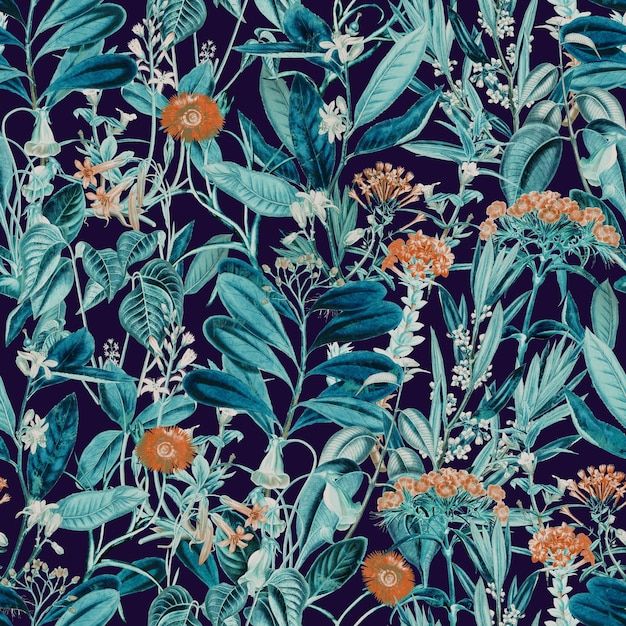
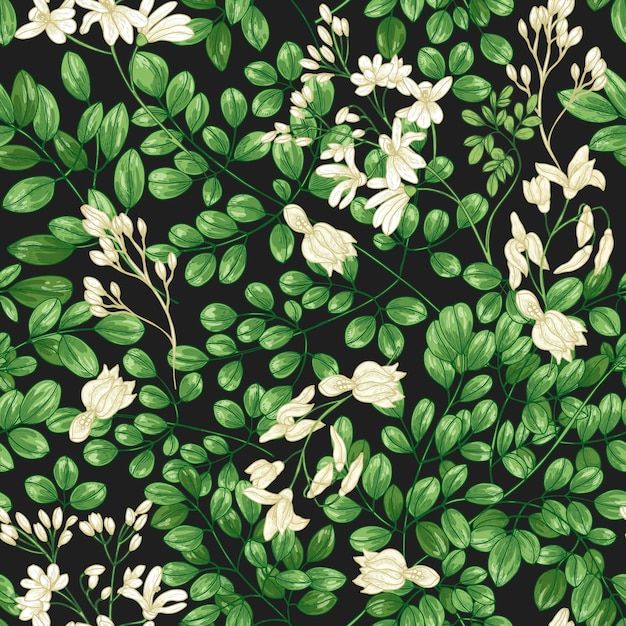
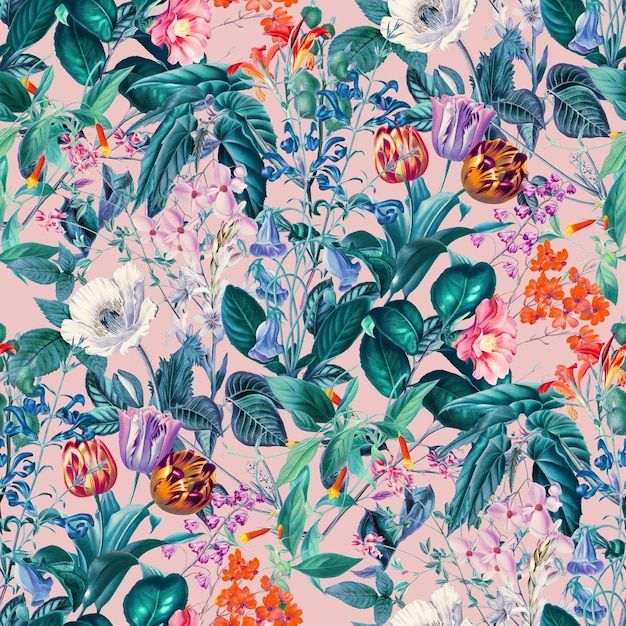
Botanical patterns are characterised by careful rendering of plant structure - individual stems, leaf veins, blossom detail, seed pods. The illustrative style references scientific florilegia: precise observation rendered with artistic attention to form and colour. Scale tends toward medium to small, with complex arrangements of overlapping plant specimens. The aesthetic is elegant and detailed rather than bold or graphic.
Trailing vine and tossed all-over structures are typical, distributing individual plant specimens or bouquet groupings across the ground. Placement prints using single botanical specimens recall framed herbarium plate compositions. All-over repeats can be dense (overlapping botanical forms creating a garden impression) or open (isolated specimens on white or linen ground).
Watercolour is the defining medium - soft edges, transparent washes, naturalistic colour. Palettes are typically naturalistic (greens, cream, rose, dusky pink, sage) or antique (sepia, aged cream, muted botanical green). Dark ground botanicals - white or pale specimens on deep green, navy, or black - are a distinct variant associated with Victorian prints. Digital rendering increasingly replicates watercolour character.
Botanical illustration as a discipline emerged from medicinal herbalism - the need to accurately identify plant species drove illustrated botanical publishing from the Vienna Dioscurides (512 AD) onward. The Age of Exploration from the 15th century dramatically expanded the European flora catalogue through botanical expeditions, producing illustrated florilegia that directly influenced textile and wallpaper designers.
Key turning points for surface pattern:
Botanical pattern draws a direct line from the historical practice of botanical illustration into surface pattern design. Where tropical pattern pursues bold, exotic, large-scale immediacy, botanical pattern emphasises careful observation, plant specificity, and illustrative accuracy. Watercolour is the primary medium.
Botanical patterns are characterised by careful rendering of plant structure - individual stems, leaf veins, blossom detail, seed pods. The illustrative style references scientific florilegia: precise observation rendered with artistic attention to form and colour.
Apparel (dresses, blouses, scarves; strong spring/summer seasonality) Wallpaper (classic British and European market; feature wall panels) Home textiles (cushions, curtains, bedding - heritage and country-home positioning) Stationery and gift wrap Fine art print licensing
Trailing vine and tossed all-over structures are typical, distributing individual plant specimens or bouquet groupings across the ground. Placement prints using single botanical specimens recall framed herbarium plate compositions.
Botanical
Watercolour is the defining medium - soft edges, transparent washes, naturalistic colour. Palettes are typically naturalistic (greens, cream, rose, dusky pink, sage) or antique (sepia, aged cream, muted botanical green).
Botanical illustration as a discipline emerged from medicinal herbalism - the need to accurately identify plant species drove illustrated botanical publishing from the Vienna Dioscurides (512 AD) onward.
Floral Pattern and Tropical Pattern
_(20420519099).jpg "Botanical Pattern example 1")