Floral pattern is the broadest and commercially most active category in surface pattern design. It encompasses any design in which flowers, foliage, stems, and botanical elements constitute the primary visual subject. The category spans a wide range of sub-types - from dense all-over repeats to spaced individual blooms - and includes distinct historical styles with their own visual languages. Floral pattern has been central to textile design across virtually every culture and era, and remains the highest-volume category in wallpaper, fabric, fashion, and home textiles today.
We use cookies to improve your experience and understand how PatternDesigners is used.
Floral pattern is the broadest and commercially most active category in surface pattern design. It encompasses any design in which flowers, foliage, stems, and botanical elements constitute the primary visual subject. The category spans a wide range of sub-types - from dense all-over repeats to spaced individual blooms - and includes distinct historical styles with their own visual languages. Floral pattern has been central to textile design across virtually every culture and era, and remains the highest-volume category in wallpaper, fabric, fashion, and home textiles today.
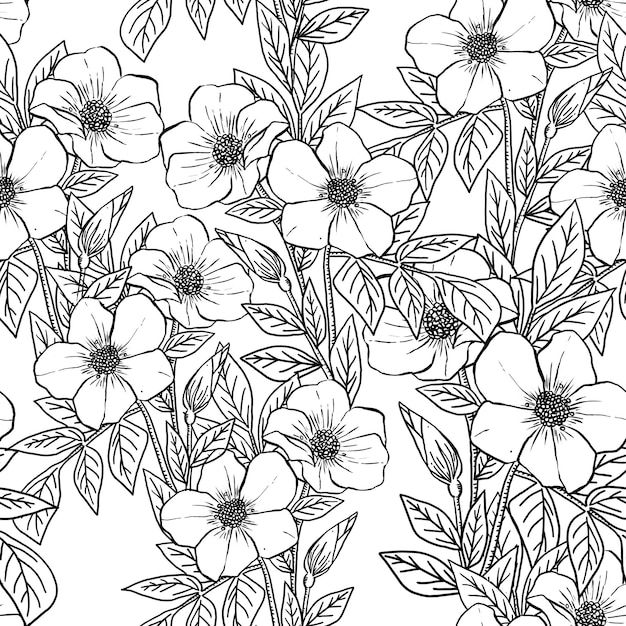
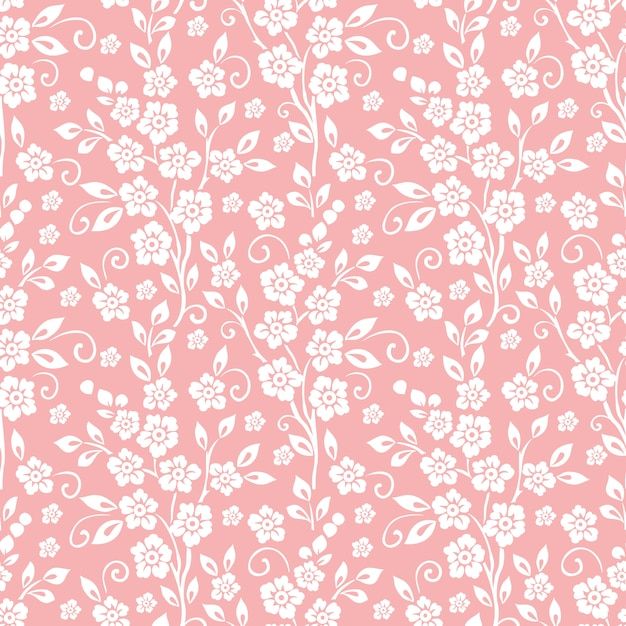
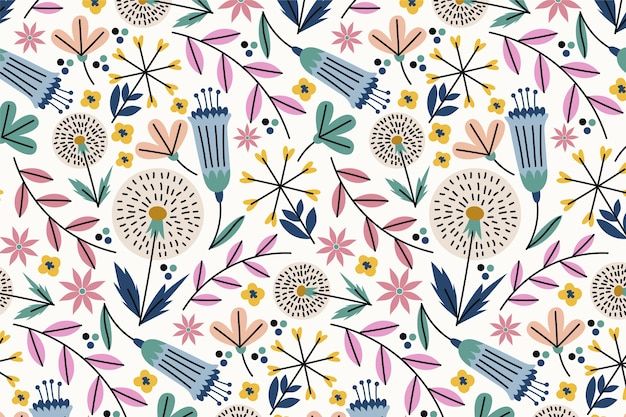
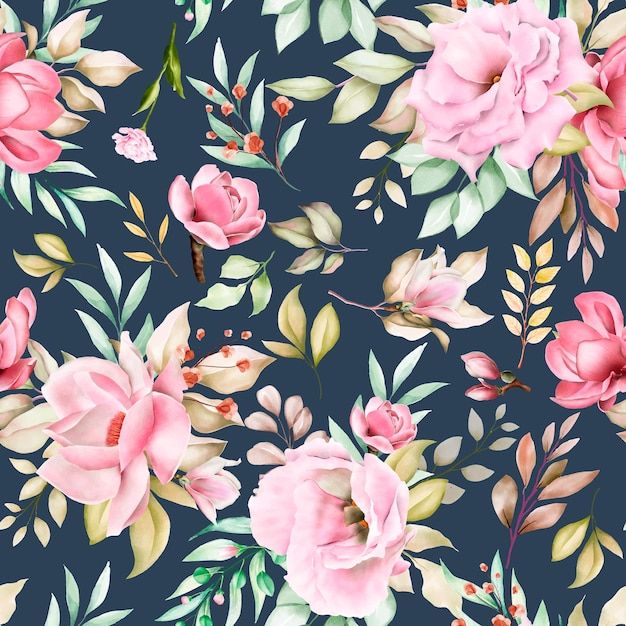
Floral patterns vary widely in scale, density, and rendering style. Key visual modes include: naturalistic botanical illustration (detailed, scientifically observed specimens); stylised floral (simplified or abstracted shapes); graphic floral (flat, high-contrast, geometric reduction); and vintage or heritage floral (referencing historical textile traditions such as chintz, damask, or toile). Colour range is unrestricted - florals appear in everything from pale tonal ranges to saturated multicolour arrangements.
Floral patterns use most major repeat structures: all-over (tossed, half-drop, brick), sprigged (individual motifs on open ground), bouquet (grouped motifs), trailing (stems linking through the repeat), and panel/placement arrangements. Border and stripe formats with floral fill are also common. The specific sub-type largely determines the structure - a Jacobean design uses a large trailing stem format, while a chintz uses a dense all-over field.
No single colour palette defines floral pattern - the category spans pale and tonal (cream on white, soft pastels), saturated heritage (the rich reds, blues, and greens of chintz and Jacobean), graphic pop (bold high-contrast single-colour on ground), and contemporary neutrals. Seasonal colour shifts heavily influence commercial floral production, with spring/summer collections typically driving the highest volume. Trend cycles within the category - maximalist, botanical, vintage, graphic, muted - move with general interiors and fashion trend.
Floral surface pattern has been documented from ancient Egyptian, Greek, and Persian decorative arts. It entered European textile production through trade with the Islamic world and India - chintz (Indian block-printed cotton) imported to Europe via the British and Dutch East India Companies transformed domestic textile taste from the 17th century. Chinoiserie - European interpretation of East Asian floral and botanical motifs - drove luxury wallpaper and textile production from the 18th century. The Arts and Crafts movement of the 19th century, closely associated with William Morris, produced floral pattern vocabularies still commercially referenced today. Floral pattern has remained the dominant commercial surface pattern category through every subsequent era.
Floral pattern is the broadest and commercially most active category in surface pattern design. It encompasses any design in which flowers, foliage, stems, and botanical elements constitute the primary visual subject.
Floral patterns vary widely in scale, density, and rendering style.
Botanical
Floral patterns use most major repeat structures: all-over (tossed, half-drop, brick), sprigged (individual motifs on open ground), bouquet (grouped motifs), trailing (stems linking through the repeat), and panel/placement arrangements. Border and stripe formats with floral fill are also common.
Botanical and Emblem
No single colour palette defines floral pattern - the category spans pale and tonal (cream on white, soft pastels), saturated heritage (the rich reds, blues, and greens of chintz and Jacobean), graphic pop (bold high-contrast single-colour on ground), and contemporary neutrals.
Floral surface pattern has been documented from ancient Egyptian, Greek, and Persian decorative arts.
Botanical Pattern, Arabesque Pattern, Damask Pattern, Paisley Pattern, Chinoiserie Pattern, and Fruit Pattern