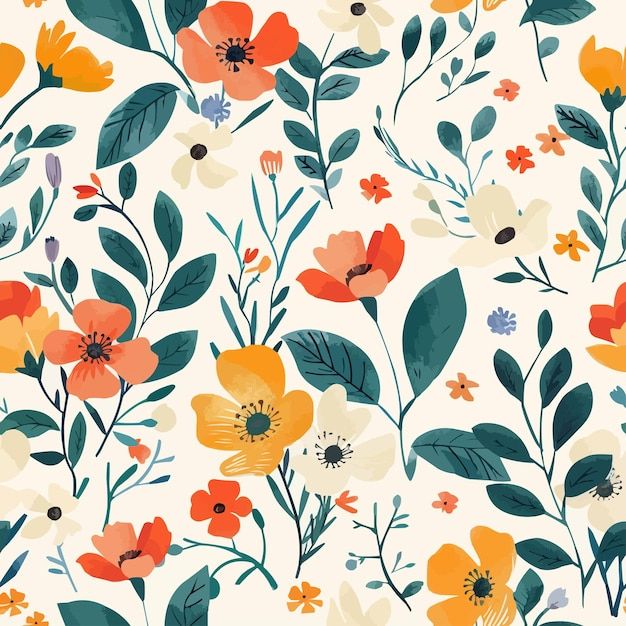
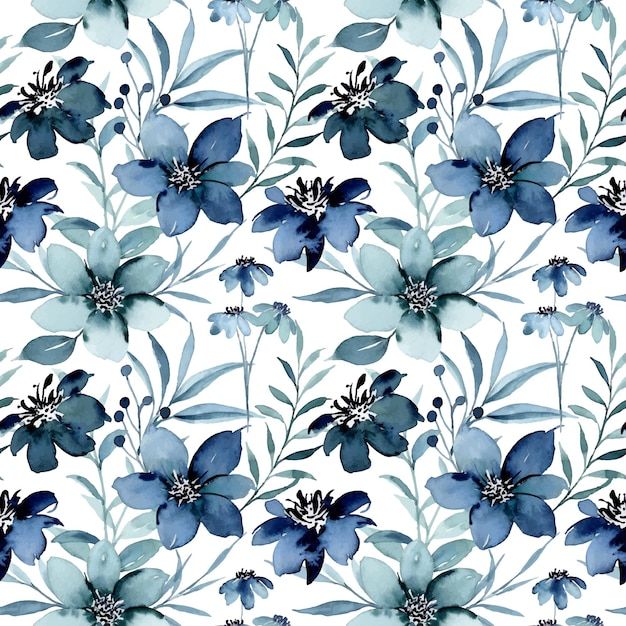
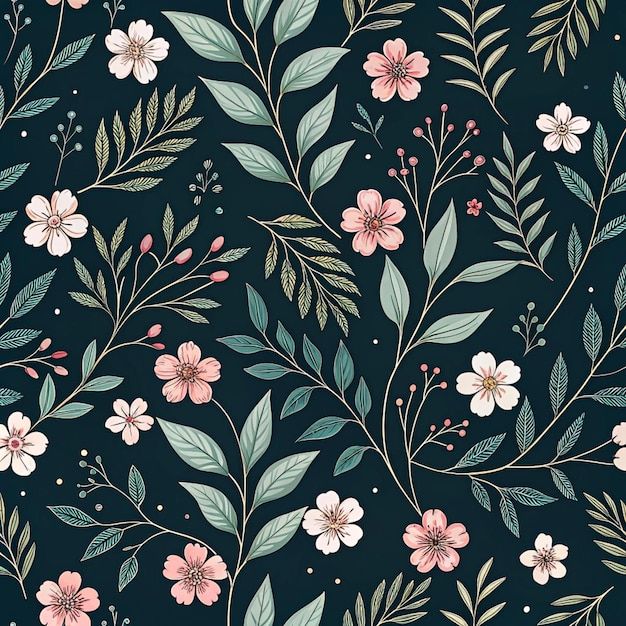
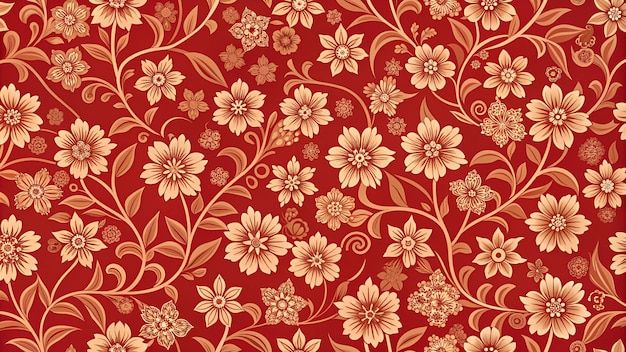
Flower pattern refers specifically to designs where recognisable flower species - roses, peonies, dahlias, tulips, and others - function as the primary repeating motif. It is the most direct sub-category within the broader Floral Pattern family. While "floral pattern" encompasses the full range of botanical and plant-derived design, "flower pattern" centres on the rendered flower head or bloom as the dominant visual unit. The species, rendering style (realistic, stylised, graphic, watercolour), and arrangement mode together define the commercial character of a given flower pattern.
We use cookies to improve your experience and understand how PatternDesigners is used.
Flower pattern refers specifically to designs where recognisable flower species - roses, peonies, dahlias, tulips, and others - function as the primary repeating motif. It is the most direct sub-category within the broader Floral Pattern family. While "floral pattern" encompasses the full range of botanical and plant-derived design, "flower pattern" centres on the rendered flower head or bloom as the dominant visual unit. The species, rendering style (realistic, stylised, graphic, watercolour), and arrangement mode together define the commercial character of a given flower pattern.
Flower patterns range from highly naturalistic botanical illustration - where individual specimens are rendered with botanical accuracy - to fully abstracted geometric reduction of a flower form. Key rendering modes include: watercolour (soft, translucent, layered), pen-and-ink botanical (detailed line-work), gouache (flat, opaque, high colour), digital vector (clean, scaleable), and print-style (flat motifs in defined colour separations for screen printing). Scale can range from very small (sprigged micro-prints) to oversized placement prints.
The dominant structure for flower pattern is the all-over repeat - individual flower heads distributed across the surface in tossed, half-drop, or grid arrangements. Sprigged flower patterns (individual blooms with short stems on an open ground) are commercially active in quilting fabrics, children's textiles, and fine china. Bouquet and posy arrangements group multiple flower species into a single repeat unit. Large-scale placement prints use single oversized flower motifs as focal design elements.
Flower pattern colours follow both seasonal market conventions and aesthetic positioning. Pink, red, and cream dominate the heritage/romantic market. Bright multicolour palettes drive craft fabric and children's textile categories. Monochromatic or limited-palette flower patterns (black-on-white, navy-on-cream) are commercially active in formal and heritage textile markets. Contemporary minimalist flower pattern uses isolated blooms on neutral grounds with restrained, sophisticated palettes.
Flower motifs appear in textile and decorative arts from ancient Egyptian, Greek, Roman, French, English, and Japanese traditions. The floristry tradition - which developed formal categories of flower type by form and visual function (line flowers for structure, form flowers as focal points, mass flowers for volume and fill) - provides a vocabulary that surface pattern design draws on when composing multi-flower arrangements. Japanese Ikebana design principles, with their emphasis on asymmetric harmony and negative space, have influenced minimalist flower pattern approaches. The natural history tradition of botanical illustration, developed formally in the 16th-19th centuries, underpins the specimen-style rendering still commercially active today.
Flower pattern refers specifically to designs where recognisable flower species - roses, peonies, dahlias, tulips, and others - function as the primary repeating motif. It is the most direct sub-category within the broader Floral Pattern family.
Flower patterns range from highly naturalistic botanical illustration - where individual specimens are rendered with botanical accuracy - to fully abstracted geometric reduction of a flower form.
Botanical
The dominant structure for flower pattern is the all-over repeat - individual flower heads distributed across the surface in tossed, half-drop, or grid arrangements.
Botanical
Flower pattern colours follow both seasonal market conventions and aesthetic positioning. Pink, red, and cream dominate the heritage/romantic market. Bright multicolour palettes drive craft fabric and children's textile categories.
Flower motifs appear in textile and decorative arts from ancient Egyptian, Greek, Roman, French, English, and Japanese traditions.
Floral Pattern, Botanical Pattern, Fruit Pattern, and Chinoiserie Pattern