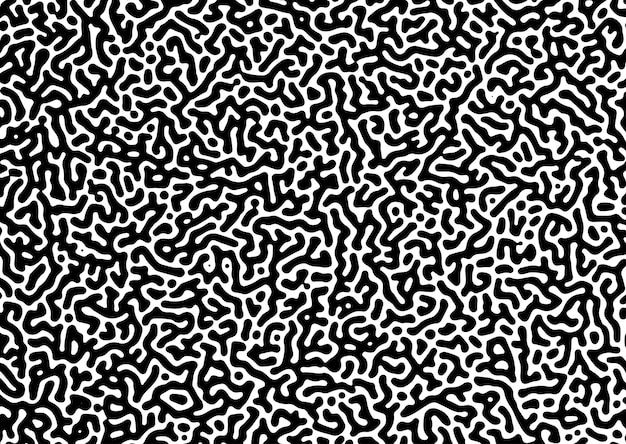
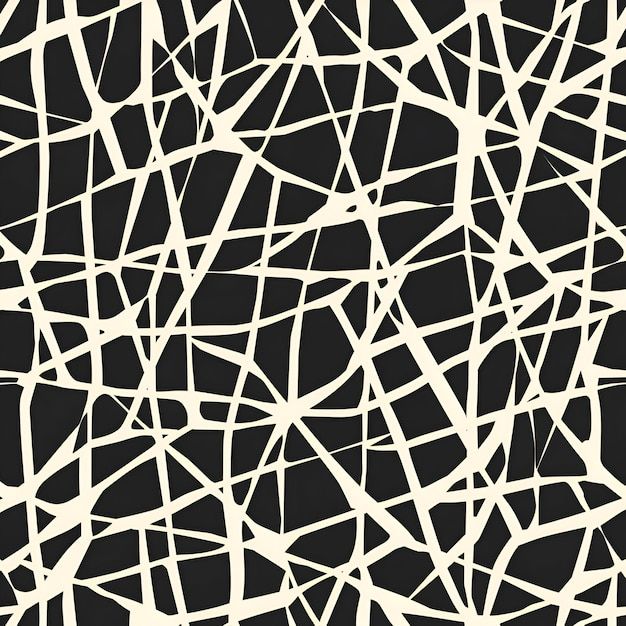
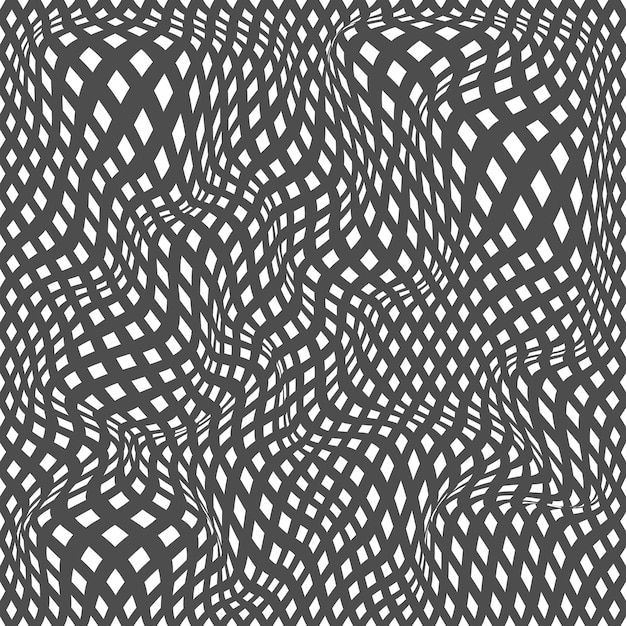
Asymmetry in surface pattern design refers to the deliberate avoidance of symmetrical arrangement. Rather than cancelling visual energy, an asymmetric pattern harnesses contrast, uneven spacing, and varied visual weights to create compositions that feel dynamic and engaging. It is a structural choice rather than a specific pattern style, applicable across a wide range of motif types and aesthetics.
We use cookies to improve your experience and understand how PatternDesigners is used.
Asymmetry in surface pattern design refers to the deliberate avoidance of symmetrical arrangement. Rather than cancelling visual energy, an asymmetric pattern harnesses contrast, uneven spacing, and varied visual weights to create compositions that feel dynamic and engaging. It is a structural choice rather than a specific pattern style, applicable across a wide range of motif types and aesthetics.
Asymmetric patterns lack a clear axis or plane of symmetry. Elements are distributed unevenly across the design field - a large motif anchoring one area may be counterbalanced by a cluster of smaller elements elsewhere. Visual weight, colour contrast, and negative space all contribute to a sense of intentional rather than accidental imbalance.
Asymmetric repeats avoid regular grid placements and mirrored tile structures. Free-placement and tossed layouts are typical. The repeat unit itself may be asymmetric, or symmetric units may be composed asymmetrically across the tile. Editorial and placement prints often exploit asymmetry at the full-cloth scale rather than at the motif level.
Asymmetry applies to any motif type - it describes the arrangement rather than the motif itself. Common applications include:
Colour can itself create asymmetry through uneven distribution. A bold saturated element in one corner balanced by a muted tone elsewhere works on the same principle. No specific palette is associated with asymmetric composition, though high-contrast palettes amplify the visual tension inherent in the approach.
Asymmetry has been a deliberate compositional principle across multiple art movements with direct influence on surface pattern. Art Nouveau employed asymmetrical flowing lines and organic forms as a defining characteristic. Impressionism (Monet's Water Lilies being a noted example) and Cubism (Picasso, Braque) both used asymmetric composition to capture movement or multiple viewpoints simultaneously. These fine art traditions translated into surface pattern design through their influence on fashion and textile design in the 20th century.
Asymmetry in surface pattern design refers to the deliberate avoidance of symmetrical arrangement. Rather than cancelling visual energy, an asymmetric pattern harnesses contrast, uneven spacing, and varied visual weights to create compositions that feel dynamic and engaging.
Asymmetric patterns lack a clear axis or plane of symmetry. Elements are distributed unevenly across the design field - a large motif anchoring one area may be counterbalanced by a cluster of smaller elements elsewhere.
Fundamentals
Asymmetric repeats avoid regular grid placements and mirrored tile structures. Free-placement and tossed layouts are typical. The repeat unit itself may be asymmetric, or symmetric units may be composed asymmetrically across the tile.
Asymmetry applies to any motif type - it describes the arrangement rather than the motif itself.
Colour can itself create asymmetry through uneven distribution. A bold saturated element in one corner balanced by a muted tone elsewhere works on the same principle. No specific palette is associated with asymmetric composition, though high-contrast palettes amplify the visual tension inherent in the approach.
Asymmetry has been a deliberate compositional principle across multiple art movements with direct influence on surface pattern. Art Nouveau employed asymmetrical flowing lines and organic forms as a defining characteristic.
.svg "Asymmetry Pattern example 1")