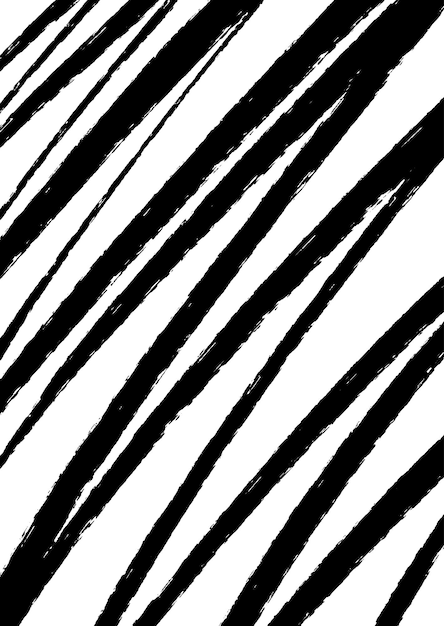
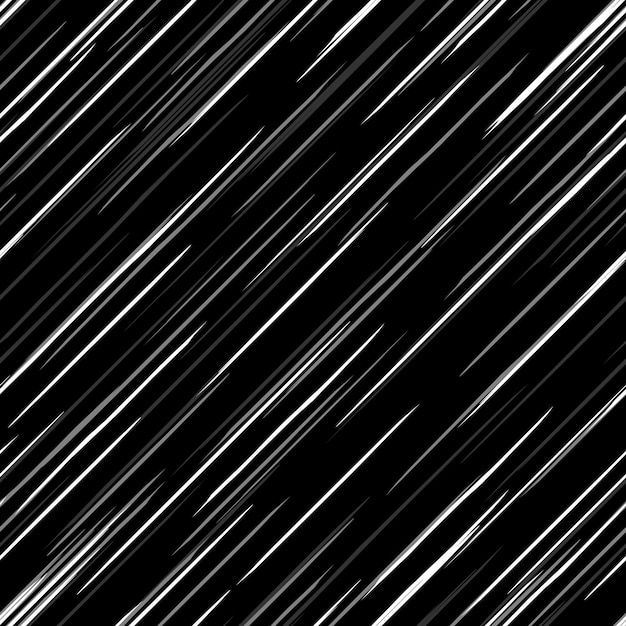
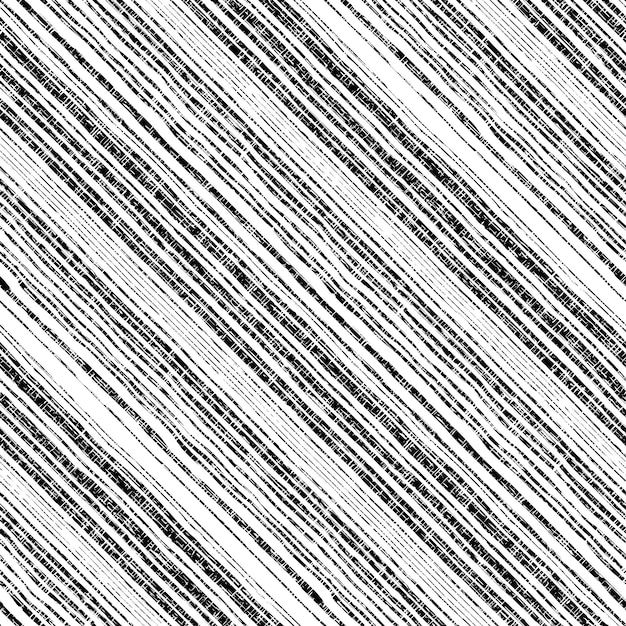
Diagonal stripes are a foundational stripe variant defined by their angle rather than their colour, width, or spacing. The same striping logic as horizontal and vertical stripes applies - repeating parallel bands of colour - but oriented at a bias, typically 45°. The result is a visually dynamic pattern with an inherent sense of motion and visual flow. As a structure, diagonal stripes are highly versatile: width, colour density, and angle variation each produce substantially different aesthetic registers.
We use cookies to improve your experience and understand how PatternDesigners is used.
Diagonal stripes are a foundational stripe variant defined by their angle rather than their colour, width, or spacing. The same striping logic as horizontal and vertical stripes applies - repeating parallel bands of colour - but oriented at a bias, typically 45°. The result is a visually dynamic pattern with an inherent sense of motion and visual flow. As a structure, diagonal stripes are highly versatile: width, colour density, and angle variation each produce substantially different aesthetic registers.
Parallel colour bands run from one edge of the design field to the other at a consistent angle. The direction of travel creates perceived motion - the eye follows the stripe diagonally across the surface. Bold wide stripes on high-contrast grounds read as energetic and striking. Fine, closely spaced diagonals read as textured and subtle. When combined with shading or texture, diagonal stripes can create depth or three-dimensionality.
Variants include:
A diagonal stripe repeat tiles by offsetting the stripe across the repeat boundary, maintaining consistent angle. The stripe's angle is defined within the tile - adjusting the tile dimensions changes the perceived angle. Unlike horizontal or vertical stripes, diagonal stripes require the repeat tile to account for the angled band crossing both horizontal and vertical edges simultaneously.
The structure is colour-independent; aesthetic register is primarily determined by palette and width combination:
Diagonal stripes have deep roots in heraldic design: the bend (top-left to bottom-right diagonal) and bend sinister (reversed) are among the oldest charges in European heraldry. In graphic and typographic design, diagonal rules and hatching have been standard visual tools for centuries. In manga and anime, diagonal speed lines are a systematic visual convention for indicating motion, action, or dramatic emphasis. In contemporary fashion and interior design, diagonal stripes remain a perennially active structure, offering more visual interest than vertical or horizontal orientations while sharing their geometric clarity.
Diagonal stripes are a foundational stripe variant defined by their angle rather than their colour, width, or spacing. The same striping logic as horizontal and vertical stripes applies - repeating parallel bands of colour - but oriented at a bias, typically 45°.
Parallel colour bands run from one edge of the design field to the other at a consistent angle. The direction of travel creates perceived motion - the eye follows the stripe diagonally across the surface. Bold wide stripes on high-contrast grounds read as energetic and striking.
Apparel: sportswear, activewear, fashion (shirts, dresses, accessories) Home textiles: cushion covers, throws, rugs, upholstery Wallpaper and tile Graphic design: packaging, stationery, branded visual identity Digital backgrounds and motion graphics
A diagonal stripe repeat tiles by offsetting the stripe across the repeat boundary, maintaining consistent angle. The stripe's angle is defined within the tile - adjusting the tile dimensions changes the perceived angle.
Diagonal colour band (the defining element) Bias stripe (fabric/textile terminology for diagonal grain application) Speed line (manga/anime convention for indicating motion)
Diagonal stripes have deep roots in heraldic design: the bend (top-left to bottom-right diagonal) and bend sinister (reversed) are among the oldest charges in European heraldry. In graphic and typographic design, diagonal rules and hatching have been standard visual tools for centuries.
Stripe Pattern, Chevron Pattern, Geometric Pattern, and Herringbone Pattern