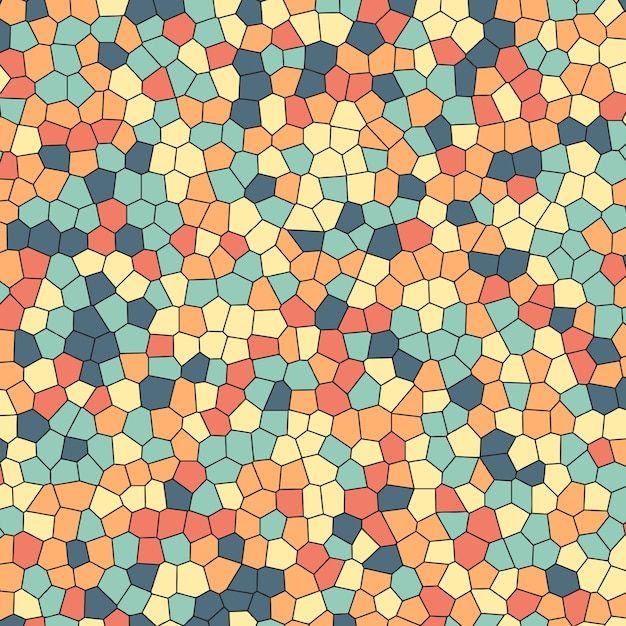
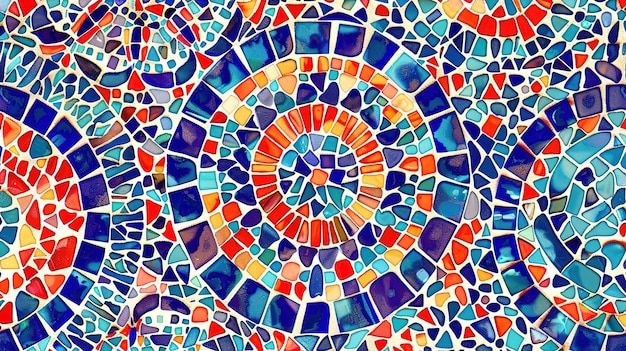
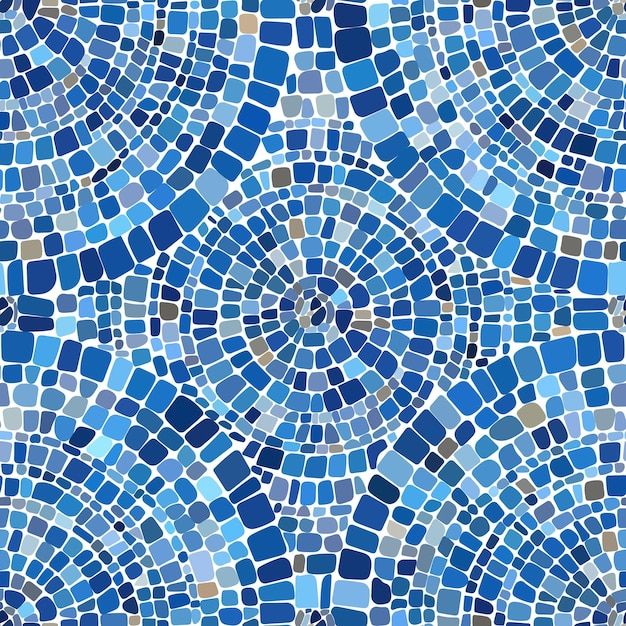
Mosaic pattern refers to surface designs that either replicate or reference the visual appearance of traditional mosaic - artworks and decorative surfaces made from small pieces of coloured stone, glass, ceramic, or other materials (tesserae) set in mortar or plaster. As a surface pattern category, mosaic pattern encompasses: direct simulation of tesserae arrangements (small square or irregular coloured tile-like units); geometric tile compositions (particularly Islamic zellij and Byzantine mosaic traditions); and the broader visual aesthetic of tessellated coloured surfaces. Mosaic pattern is commercially active in tile design, printed wallpaper and fabric, and as an art-historical reference in luxury and heritage surface design.
We use cookies to improve your experience and understand how PatternDesigners is used.
Mosaic pattern refers to surface designs that either replicate or reference the visual appearance of traditional mosaic - artworks and decorative surfaces made from small pieces of coloured stone, glass, ceramic, or other materials (tesserae) set in mortar or plaster. As a surface pattern category, mosaic pattern encompasses: direct simulation of tesserae arrangements (small square or irregular coloured tile-like units); geometric tile compositions (particularly Islamic zellij and Byzantine mosaic traditions); and the broader visual aesthetic of tessellated coloured surfaces. Mosaic pattern is commercially active in tile design, printed wallpaper and fabric, and as an art-historical reference in luxury and heritage surface design.
Mosaic pattern is characterised by the visual language of tesserae - small individual colour units (typically square, rectangular, or irregularly shaped) assembled into a larger composition. The key visual qualities are: colour variation within each "tile" unit (natural stone and glass tesserae have inherent tonal variation); visible grout lines or mortar joints between units (the darker gaps that define each tile); and the composed image or pattern that emerges from the aggregate of individual units. In digital and printed mosaic-referencing design, the tesserae are typically simulated as slightly irregular colour squares with subtle tonal variation, and the grout line is either drawn or implied.
Mosaic patterns use several structural approaches:
Figurative mosaic motifs (faces, animals, mythological scenes) are outside the scope of surface pattern repeat design - they are pictorial compositions rather than repeating patterns. The surface pattern relevance of mosaic is in its geometric and tessellated vocabulary:
Classical Roman and early Christian mosaic uses natural stone colour ranges - warm ochres, terracotta reds, muted blues, and white marble. Byzantine mosaic introduces gold and silver glass tesserae (smalti) - the gold tesserae used in Byzantine church interiors produce the characteristic luminous gold-ground effect of Byzantine art. Islamic zellij uses vivid fired ceramic colours - turquoise, cobalt, white, black, terracotta, and yellow - in crisp geometric compositions. Contemporary mosaic surface design references any of these colour traditions or uses contemporary palettes within the tesserae-unit aesthetic.
Mosaic as a decorative art form has ancient origins. The earliest documented examples come from Mesopotamia - cone mosaic floor and pillar decoration dated to the 3rd millennium BC. Glazed tile mosaic from Susa and Chogha Zanbil in ancient Iran dates to approximately 1500 BC. Greek and Roman mosaic developed the technique significantly - Roman floor mosaic using opus vermiculatum (fine-cut tesserae following figure contours) represents the technical peak of classical mosaic. The Dome of the Rock in Jerusalem (completed 691 AD) demonstrates early Islamic mosaic using gold and glass tesserae in geometric and inscriptive compositions. The Byzantine Empire (6th-15th centuries) produced the most significant corpus of monumental decorative mosaic - the church interiors of Ravenna (6th century) and Istanbul are among the best-preserved examples. Islamic art developed the zellij tradition of geometric tile mosaic, which remains commercially active in contemporary Moroccan and North African-referencing interior design. Modern mosaic encompasses any material - from the historical glass and stone to contemporary recycled glass, ceramic, mirror, and mixed media.
Mosaic pattern refers to surface designs that either replicate or reference the visual appearance of traditional mosaic - artworks and decorative surfaces made from small pieces of coloured stone, glass, ceramic, or other materials (tesserae) set in mortar or plaster.
Mosaic pattern is characterised by the visual language of tesserae - small individual colour units (typically square, rectangular, or irregularly shaped) assembled into a larger composition.
Fundamentals
Tessellation
Figurative mosaic motifs (faces, animals, mythological scenes) are outside the scope of surface pattern repeat design - they are pictorial compositions rather than repeating patterns.
Classical Roman and early Christian mosaic uses natural stone colour ranges - warm ochres, terracotta reds, muted blues, and white marble.
Mosaic as a decorative art form has ancient origins. The earliest documented examples come from Mesopotamia - cone mosaic floor and pillar decoration dated to the 3rd millennium BC. Glazed tile mosaic from Susa and Chogha Zanbil in ancient Iran dates to approximately 1500 BC.
Geometric Pattern and Tessellation Pattern