Swirl and spiral patterns draw on one of the most fundamental geometric structures in mathematics and nature. The spiral - a curve that emanates from a point and moves progressively further away as it rotates - appears across natural forms (nautilus shells, sunflower seed heads, unfurling ferns) and across cultures and millennia of decorative art (Celtic triple-spirals, Islamic arabesque scrollwork, Art Nouveau organic curves). In surface pattern design, swirl and spiral forms create a sense of dynamic flow and movement, and are particularly associated with fluid, organic, or energetic aesthetic directions.
We use cookies to improve your experience and understand how PatternDesigners is used.
Swirl and spiral patterns draw on one of the most fundamental geometric structures in mathematics and nature. The spiral - a curve that emanates from a point and moves progressively further away as it rotates - appears across natural forms (nautilus shells, sunflower seed heads, unfurling ferns) and across cultures and millennia of decorative art (Celtic triple-spirals, Islamic arabesque scrollwork, Art Nouveau organic curves). In surface pattern design, swirl and spiral forms create a sense of dynamic flow and movement, and are particularly associated with fluid, organic, or energetic aesthetic directions.
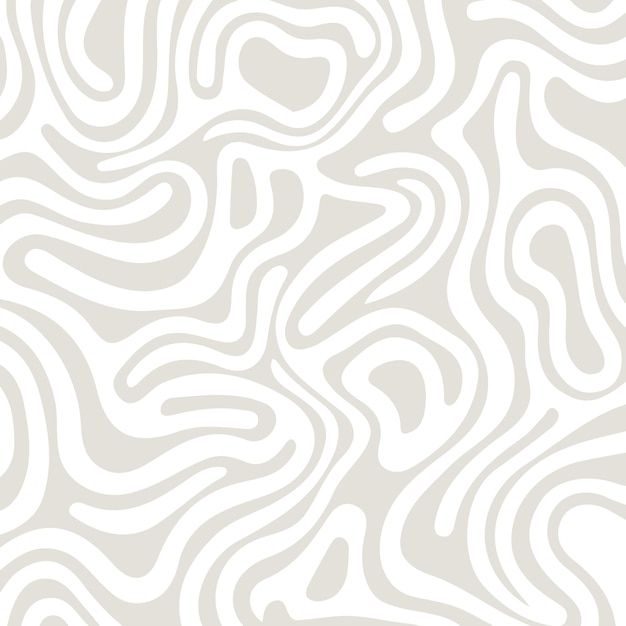
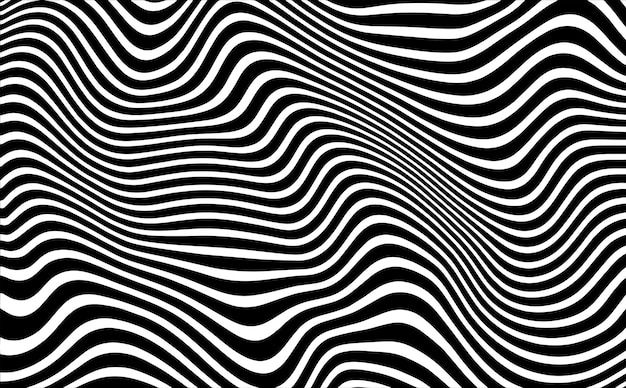
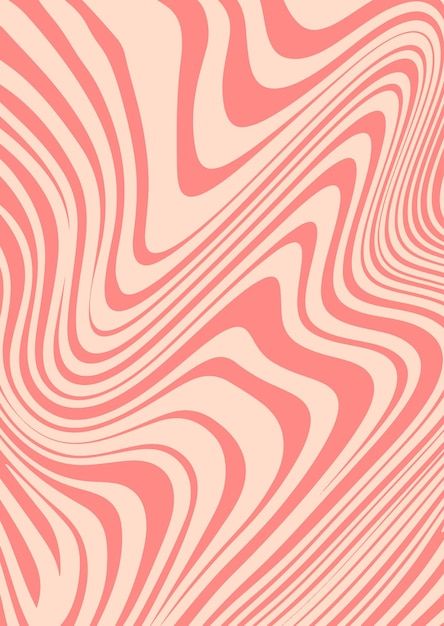
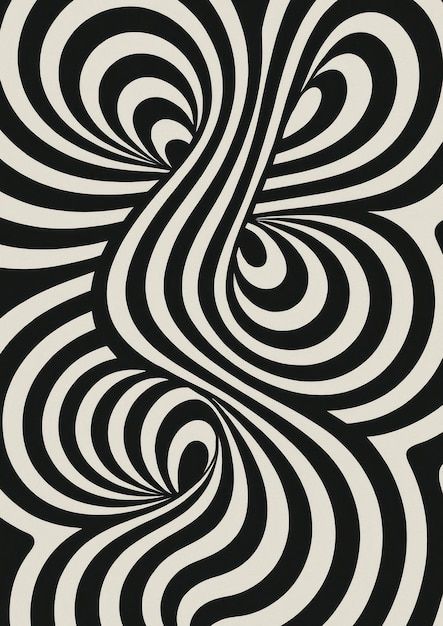
Swirl patterns are characterised by curved, rotating forms that move outward from or toward a centre point. The visual effect is of continuous movement - the eye follows the curve outward and the motion creates energy. Tightly wound spirals read as controlled and geometric; loosely flowing swirls read as organic and fluid. Multiple overlapping swirls create a complex, undulating surface. Swirl and scroll motifs can range from precise mathematical curves to freely drawn brush-stroke forms.
Swirl patterns are typically built from flowing, curved repeat elements. They do not conform to a strict grid and are usually presented as either scattered individual swirl motifs or as flowing all-over compositions where swirl lines interconnect across the tile. The interlocking scroll-and-swirl structure used in Islamic arabesque and classical acanthus scroll patterns is a specific formalised version where the swirl curve generates a branching, repeating vine structure.
Spiral and swirl forms appear in several specific pattern traditions:
Swirl patterns in surface design are colour-agnostic - the form itself carries the visual interest. In fluid Art Nouveau and Rococo-influenced styles, swirl patterns use rich, complex colour. Minimalist swirl patterns in monochrome emphasise the line structure. Marbled paper patterns - produced by floating pigment on water or oil and capturing the swirled patterns formed - are a specific application of swirl aesthetics in stationery and bookbinding.
The spiral is among the most ancient decorative motifs known. The triple spiral at Newgrange predates both Stonehenge and the Egyptian pyramids. Pre-Columbian art (Nazca Lines, Pacific petroglyph traditions) makes extensive use of spiral motifs. Celtic metalwork and manuscript illumination (notably the Book of Kells) developed elaborate spiral interlace. Islamic geometric arabesque uses scroll-like spiralling vines as a primary decorative vocabulary. In fine art, Robert Smithson's earthwork "Spiral Jetty" (1970) used the spiral form at landscape scale. In mathematics, spirals include the Archimedean, logarithmic, Fermat, and Euler spirals, each with distinct properties that generate visually different curves.
Swirl and spiral patterns draw on one of the most fundamental geometric structures in mathematics and nature.
Swirl patterns are characterised by curved, rotating forms that move outward from or toward a centre point. The visual effect is of continuous movement - the eye follows the curve outward and the motion creates energy.
Geometric
Swirl patterns are typically built from flowing, curved repeat elements. They do not conform to a strict grid and are usually presented as either scattered individual swirl motifs or as flowing all-over compositions where swirl lines interconnect across the tile.
5°) and pinecone scales Celtic spiral: notably the triple spiral (triskelion) at Newgrange, Ireland (~3200 BCE); one of the oldest known decorative spiral motifs Scroll/volute: architectural spiral form derived from the Ionic column capital; used extensively in classical ornament and its revivals
Swirl patterns in surface design are colour-agnostic - the form itself carries the visual interest. In fluid Art Nouveau and Rococo-influenced styles, swirl patterns use rich, complex colour. Minimalist swirl patterns in monochrome emphasise the line structure.
The spiral is among the most ancient decorative motifs known. The triple spiral at Newgrange predates both Stonehenge and the Egyptian pyramids. Pre-Columbian art (Nazca Lines, Pacific petroglyph traditions) makes extensive use of spiral motifs.