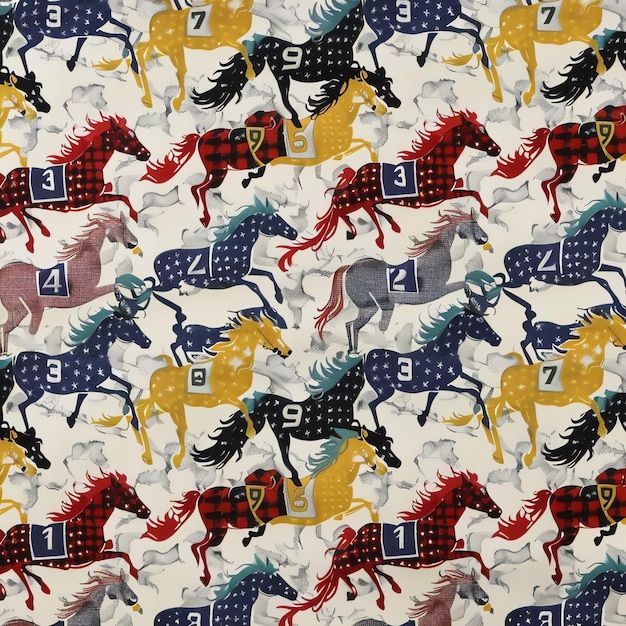
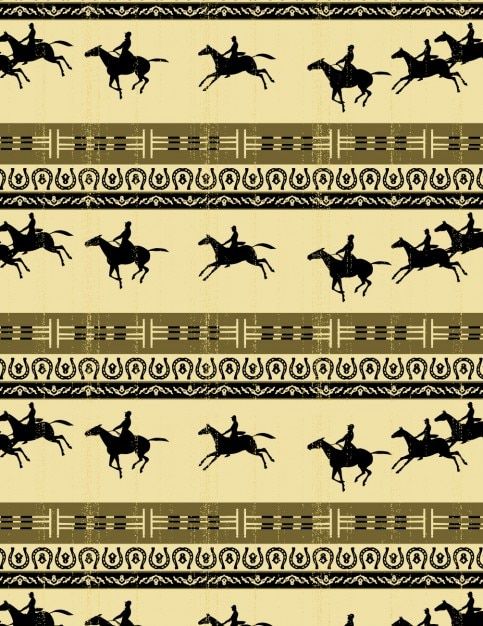
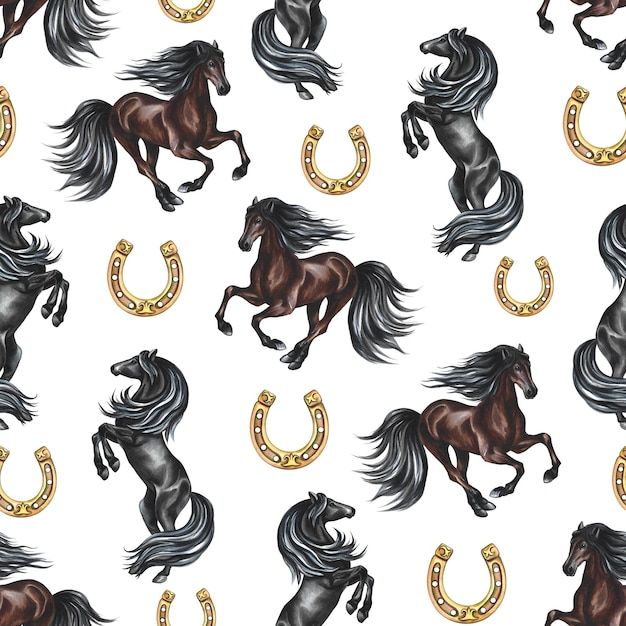
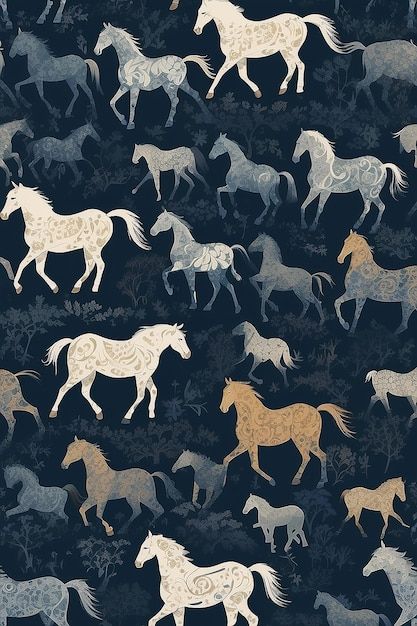
Horse pattern uses the horse figure - in full-body illustration, silhouette, or stylised form - as the primary surface design motif. The category sits within the broader animal print and figurative pattern family. It is commercially active across equestrian lifestyle products, country and rural aesthetic homeware, children's textiles and stationery, and seasonal gift ranges. The horse's visual vocabulary - drawn from the diverse range of horse coat colours and marking types - provides a rich palette reference for surface designers working in this category.
We use cookies to improve your experience and understand how PatternDesigners is used.
Horse pattern uses the horse figure - in full-body illustration, silhouette, or stylised form - as the primary surface design motif. The category sits within the broader animal print and figurative pattern family. It is commercially active across equestrian lifestyle products, country and rural aesthetic homeware, children's textiles and stationery, and seasonal gift ranges. The horse's visual vocabulary - drawn from the diverse range of horse coat colours and marking types - provides a rich palette reference for surface designers working in this category.
Horse patterns range from detailed equestrian illustration (anatomically accurate portraits of specific breeds or coat types) to bold graphic silhouettes and stylised decorative motifs. Heritage and country equestrian treatments typically use warm, earthy tones with detailed illustrative rendering. Children's treatments use simplified, friendly cartoon forms. Contemporary graphic treatments use bold silhouettes and high-contrast compositions. Pattern may feature individual horses, pairs (rearing, galloping), groups, or repeating silhouette formations.
Horse patterns most commonly use: single-motif placement (one prominent horse illustration as a focal design); tossed all-over repeat (horse silhouettes distributed across the surface in various orientations); and stripe or panel formats in equestrian-themed textiles. Border and trim applications with galloping horse silhouettes are commercially active in children's and equestrian textile ranges.
The primary motif is the horse figure in various poses: standing, galloping, rearing, jumping. Equestrian accessories - stirrups, horseshoes, bridles - appear as secondary motifs. For specific coat type reference in design:
Horse coat colour vocabulary (relevant to pattern colour palette development):
Horse marking vocabulary (relevant to motif detail and illustration):
Horse pattern palettes typically draw from the warm, natural colour range associated with horses themselves: golden palomino tones, chestnut reds, bay browns, and cream/white. Heritage equestrian styling uses rich deep tones (navy, burgundy, forest green) combined with the horse motif. Children's horse pattern uses a broader, brighter palette. Appaloosa-coat reference provides the strongest graphic potential - white with bold coloured spots in a repeat pattern.
The horse has been a major motif in human decorative art from prehistoric cave paintings (Lascaux, c.17,000 BP) through to the present. Equestrian decorative arts represent a major strand of European aristocratic culture - horse portraits, racing prints, hunting scenes, and equestrian ornament were status symbols throughout the 17th-19th centuries. In surface pattern, horse motifs are commercially associated with the British country lifestyle aesthetic (Barbour, Joules, Laura Ashley-era country prints), equestrian sport products, and the broader "rural/country living" market sector. The specific coat colour and marking vocabulary documented in equine biology sources provides a precise reference for designers working with horse illustration motifs and equestrian-themed colour palettes.
Horse pattern uses the horse figure - in full-body illustration, silhouette, or stylised form - as the primary surface design motif. The category sits within the broader animal print and figurative pattern family.
Horse patterns range from detailed equestrian illustration (anatomically accurate portraits of specific breeds or coat types) to bold graphic silhouettes and stylised decorative motifs. Heritage and country equestrian treatments typically use warm, earthy tones with detailed illustrative rendering.
Animal
Horse patterns most commonly use: single-motif placement (one prominent horse illustration as a focal design); tossed all-over repeat (horse silhouettes distributed across the surface in various orientations); and stripe or panel formats in equestrian-themed textiles.
The primary motif is the horse figure in various poses: standing, galloping, rearing, jumping. Equestrian accessories - stirrups, horseshoes, bridles - appear as secondary motifs.
Horse pattern palettes typically draw from the warm, natural colour range associated with horses themselves: golden palomino tones, chestnut reds, bay browns, and cream/white. Heritage equestrian styling uses rich deep tones (navy, burgundy, forest green) combined with the horse motif.
17,000 BP) through to the present. Equestrian decorative arts represent a major strand of European aristocratic culture - horse portraits, racing prints, hunting scenes, and equestrian ornament were status symbols throughout the 17th-19th centuries.
Animal Pattern and Leopard Pattern