Leopard pattern replicates the coat markings of the leopard (Panthera pardus) - black or dark brown spots and rosettes on a tawny gold to tan ground. It is the dominant animal print pattern type in fashion, with a commercial history in womenswear extending from early 20th-century fur substitution through to a continuous contemporary presence. Leopard print sits within the broader Animal Print category and is specifically distinguished from Cheetah Pattern (which has solid black spots on a yellow ground, without rosettes) by its characteristic rosette structure: irregularly shaped clusters of spots forming partial ring shapes around a lighter centre.
We use cookies to improve your experience and understand how PatternDesigners is used.
Leopard pattern replicates the coat markings of the leopard (Panthera pardus) - black or dark brown spots and rosettes on a tawny gold to tan ground. It is the dominant animal print pattern type in fashion, with a commercial history in womenswear extending from early 20th-century fur substitution through to a continuous contemporary presence. Leopard print sits within the broader Animal Print category and is specifically distinguished from Cheetah Pattern (which has solid black spots on a yellow ground, without rosettes) by its characteristic rosette structure: irregularly shaped clusters of spots forming partial ring shapes around a lighter centre.
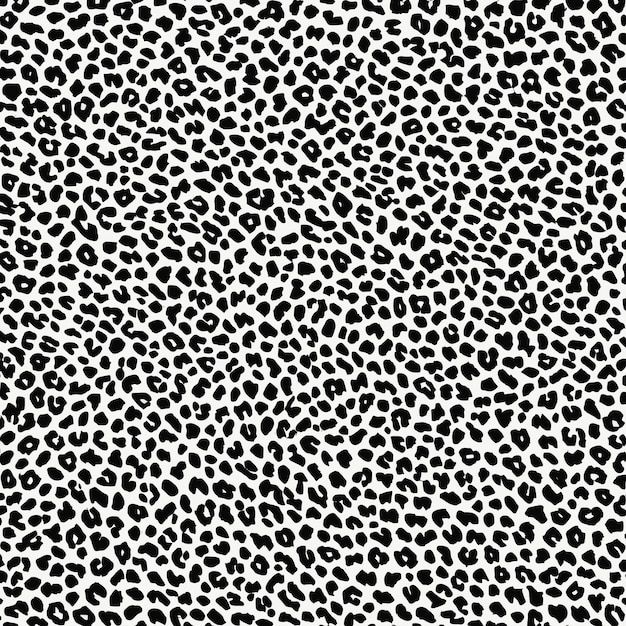
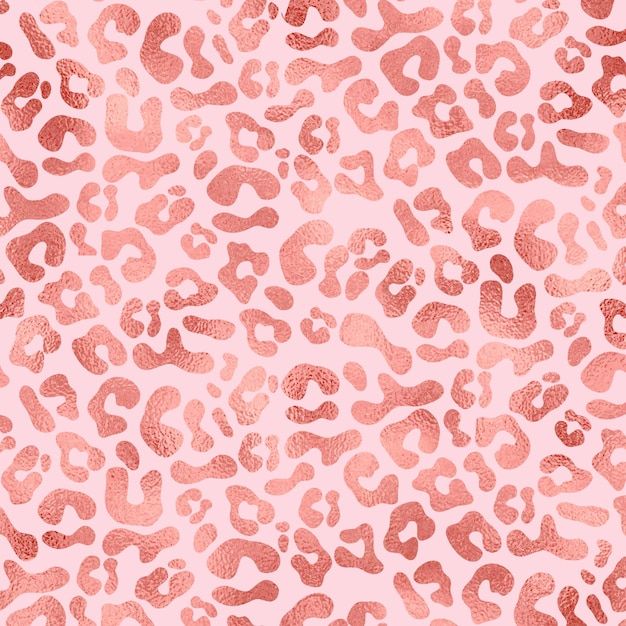
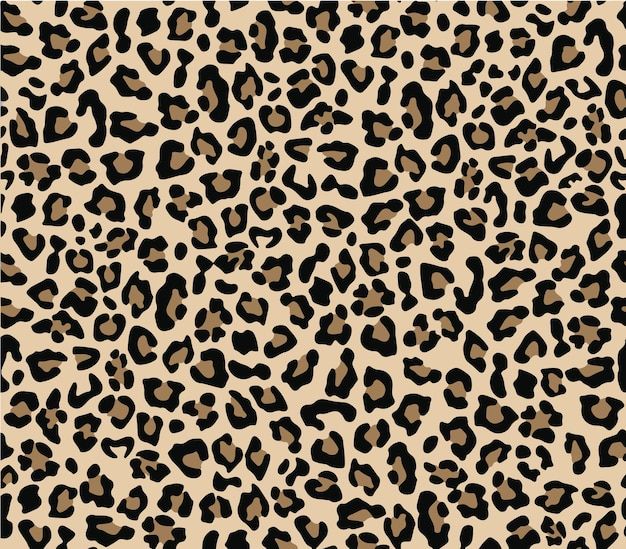
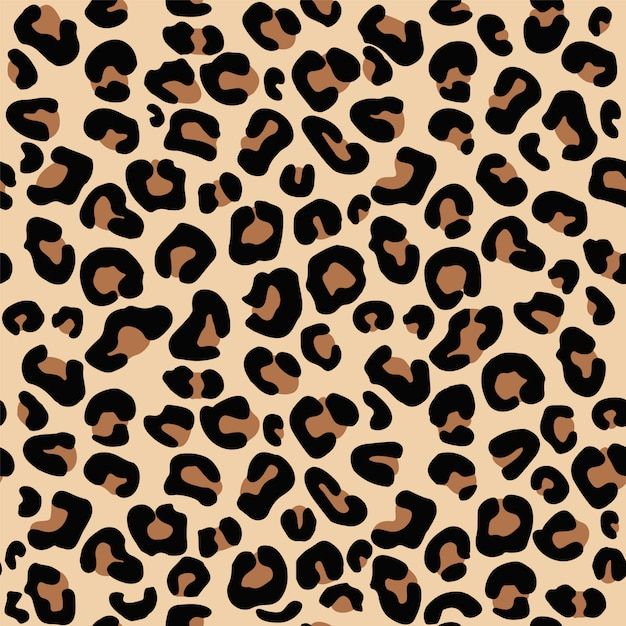
The leopard's coat pattern is characterised by irregular rosettes - clusters of dark spots arranged in a roughly circular or oval formation around a slightly darker centre area (lighter than the spots themselves but darker than the open coat ground). The rosettes are distributed irregularly across the tawny golden-yellow to tan ground, with the overall surface reading as a densely spotted field. In commercial fabric and surface design, the leopard print is often simplified and regularised - the rosette shapes become more consistent and the overall repeat is more structured than the natural coat. Colour range varies: the classic form uses black spots on amber/gold; fashion interpretations use any colour combination while maintaining the rosette structure.
In its natural form, the leopard coat has no strict repeat - rosettes vary in size and density across different body areas. Commercial leopard print translates this into a semi-random all-over repeat in which rosettes are distributed at irregular intervals and rotations to simulate the organic distribution of the natural pattern while maintaining printable repeat structure. Leopard print is typically an all-over tossed repeat - the surface is fully covered with rosette and spot elements with no visible ground repeat.
The classic leopard print uses black or near-black rosettes on a golden amber or tan ground - a warm, rich colour combination strongly associated with exotic luxury in fashion. Commercial fashion interpretations have expanded the palette across all registers:
Leopard and other big cat pelts were luxury status goods in ancient cultures - worn by Egyptian pharaohs, Roman emperors, and African royalty. The use of leopard fur in Western fashion is documented from the early 20th century. From the mid-20th century, concern about the conservation impact of using real fur drove the shift to faux fur and printed fabric leopard pattern as a fashion category. Leopard print in womenswear became associated with a bold, confident, and overtly sexual fashion aesthetic in the 1950s-1960s and has remained commercially active as an enduring "power print" in fashion, with regular major revivals. The pattern's commercial resilience in fashion over a 70+ year period makes it unusual among animal prints.
Leopard pattern replicates the coat markings of the leopard (Panthera pardus) - black or dark brown spots and rosettes on a tawny gold to tan ground.
The leopard's coat pattern is characterised by irregular rosettes - clusters of dark spots arranged in a roughly circular or oval formation around a slightly darker centre area (lighter than the spots themselves but darker than the open coat ground).
Animal
In its natural form, the leopard coat has no strict repeat - rosettes vary in size and density across different body areas.
Hide
The classic leopard print uses black or near-black rosettes on a golden amber or tan ground - a warm, rich colour combination strongly associated with exotic luxury in fashion.
Leopard and other big cat pelts were luxury status goods in ancient cultures - worn by Egyptian pharaohs, Roman emperors, and African royalty. The use of leopard fur in Western fashion is documented from the early 20th century.
Animal Pattern, Cheetah Pattern, Tiger Pattern, and Zebra Pattern