Animal print is one of the most commercially durable print categories in fashion and interiors. The category carries consistent associations of luxury, wildness, and status. Leopard and cheetah prints are the most commercially active; zebra and tiger follow closely. The pattern cycles between trend status and perennial commercial category - it reliably resurfaces in fashion and interior design across market cycles.
We use cookies to improve your experience and understand how PatternDesigners is used.
Animal print is one of the most commercially durable print categories in fashion and interiors. The category carries consistent associations of luxury, wildness, and status. Leopard and cheetah prints are the most commercially active; zebra and tiger follow closely. The pattern cycles between trend status and perennial commercial category - it reliably resurfaces in fashion and interior design across market cycles.
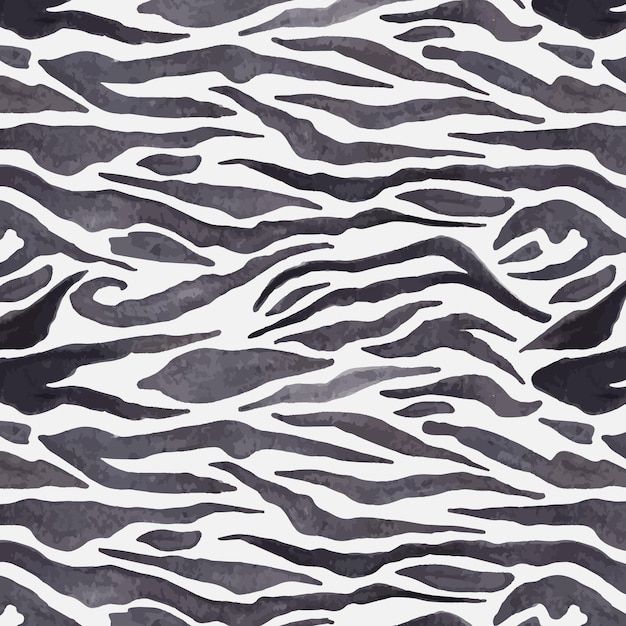
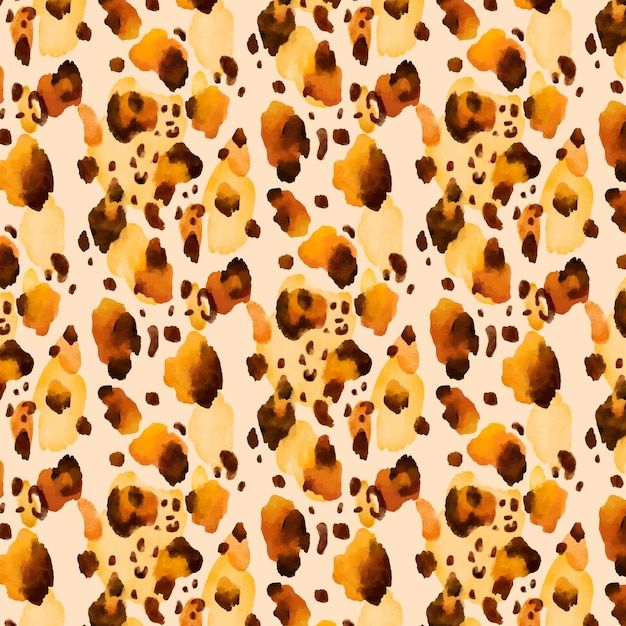
Leopard and cheetah prints feature irregular dark rosette spots on tawny, cream, or golden grounds - leopard rosettes are more complex, cheetah spots are smaller and simpler. Zebra print uses black-and-white irregular stripe patterns that vary in width and curvature. Giraffe print uses irregular polygon patches on cream grounds. Tiger print uses bold diagonal black stripes on orange or gold. Jaguar print has more complex rosette forms than leopard. Cow print uses irregular two-tone patches in black-and-white or brown-and-white. Texture, scale, and colour are the primary design variables - flat graphic versions sit alongside tonal and photorealistic interpretations.
Most animal prints are all-over non-directional patterns, designed to repeat seamlessly without a visible structural axis. The irregular, organic nature of the source markings makes directional repeat less common and less visible. Engineered placement prints - where the pattern is positioned specifically for garment cut - are also commercially used in fashion. Scale is a major design variable: graphic enlarged versions versus close-scaled realistic simulations behave differently across product applications.
The traditional palette - tawny gold, ochre, warm cream, black, and brown - is the default. Fashion adaptations regularly appear in non-natural colourways: hot pink leopard, cobalt blue zebra, metallic tiger, white-on-white tonal versions. Monochrome (black-and-white) animal print is a persistent commercial alternative. Seasonal interpretations apply current trend colours to classic print structures. Background colour changes - from natural ground to coloured ground - are among the most common commercial adaptations.
Animal print as a status symbol has origins in ancient Egypt, where wearing animal skins signified power and rank. In the 20th century, the pattern entered mainstream fashion with Christian Dior's 1947 New Look, which prominently featured leopard print. Animal print became associated with Bohemian fashion in the late 1960s United States and embedded in rock and punk subcultures - particularly leopard and cheetah. Fashion designers including Halston and Yves Saint Laurent established animal print as a legitimate luxury category from the 1970s onward. The pattern's cultural relationship to actual fur was progressively separated as printed and faux-fur alternatives replaced real animal products. Uses extended well beyond apparel into accessories, homeware, and interior design. The pattern now moves through a commercial cycle - reliably returning to trend status while also maintaining a perennial baseline commercial presence.
Animal print is one of the most commercially durable print categories in fashion and interiors. The category carries consistent associations of luxury, wildness, and status. Leopard and cheetah prints are the most commercially active; zebra and tiger follow closely.
Leopard and cheetah prints feature irregular dark rosette spots on tawny, cream, or golden grounds - leopard rosettes are more complex, cheetah spots are smaller and simpler. Zebra print uses black-and-white irregular stripe patterns that vary in width and curvature.
Animal
Most animal prints are all-over non-directional patterns, designed to repeat seamlessly without a visible structural axis. The irregular, organic nature of the source markings makes directional repeat less common and less visible.
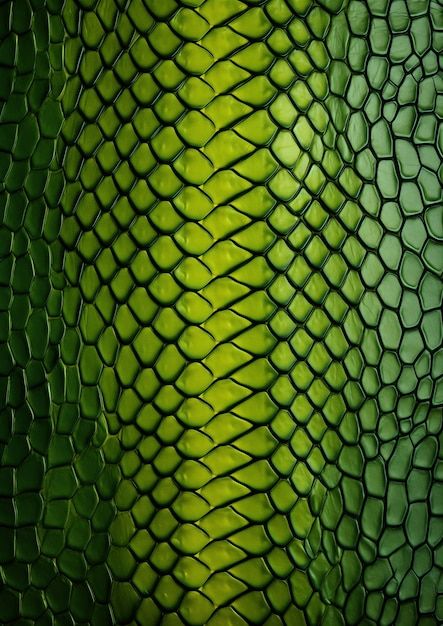
Leopard and cheetah rosettes Zebra irregular stripe Tiger diagonal stripe Giraffe polygon patches Jaguar complex rosette Cow irregular patch Snakeskin scale configurations (also commercially active)
The traditional palette - tawny gold, ochre, warm cream, black, and brown - is the default. Fashion adaptations regularly appear in non-natural colourways: hot pink leopard, cobalt blue zebra, metallic tiger, white-on-white tonal versions.
Animal print as a status symbol has origins in ancient Egypt, where wearing animal skins signified power and rank. In the 20th century, the pattern entered mainstream fashion with Christian Dior's 1947 New Look, which prominently featured leopard print.
Leopard Pattern, Zebra Pattern, Tiger Pattern, and Camouflage Pattern