Types
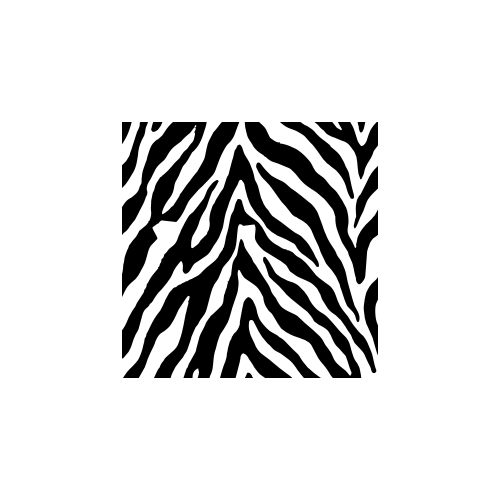 4Animal print is one of the most commercially durable print categories in fashion and interiors. The category carries consistent associations of luxury, wildness, and status. Leopard and cheetah prints are the most commercially active; zebra and tiger follow closely. The pattern cycles between trend status and perennial commercial category - it reliably resurfaces in fashion and interior design across market cycles.
 0Bee patterns span two distinct visual registers: the figurative bee motif (stylized or detailed insects) and the structural honeycomb grid (hexagonal geometry abstracted from comb construction). Both forms are commercially active, often combined in the same repeat. The bee carries strong symbolic associations - community, hard work, nature, sustainability - that give the pattern appeal for eco-positioned brands and artisan lifestyle markets.
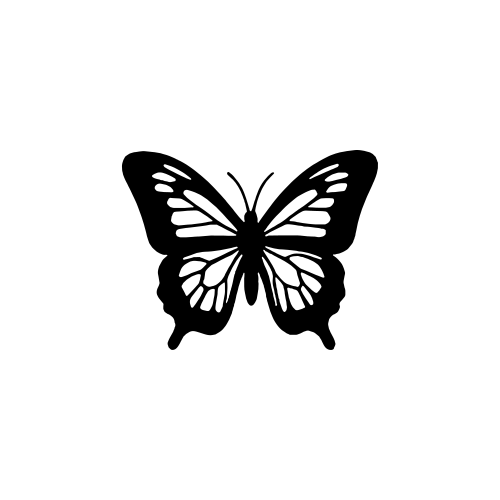 0Butterfly pattern has a long history in both fine decorative arts and commercial surface design. As a motif, the butterfly offers symmetry, colour complexity, wing-surface variation, and symbolic richness - making it commercially active across luxury fashion, interior wallpaper, scarves, upholstery, and licensing. The historical trajectory of butterfly pattern runs from scientific illustration (E.A. Seguy, 1925) through haute couture (Schiaparelli, McQueen) to contemporary wallpaper and textiles. Moths are frequently treated as aesthetic extensions of butterfly pattern, with their own design vocabulary.
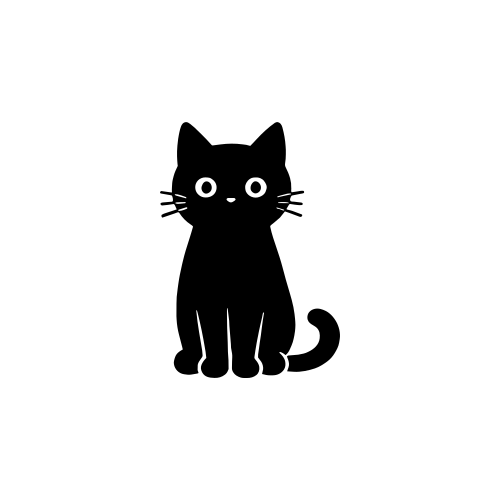 0Cat patterns operate on two levels in surface design: as a figurative motif (cats as characters, poses, or silhouettes) and as a reference to feline coat markings (stripes, spots, and tortoiseshell coloration systems). Feline coat pattern provides a rich, naturally occurring visual vocabulary that directly informs pattern design - particularly tabby stripe, tortoiseshell colour mixing, and calico tricolour arrangements. Domestically, cat-themed surface pattern is commercially active in gifting, stationery, home textiles, and children's products.
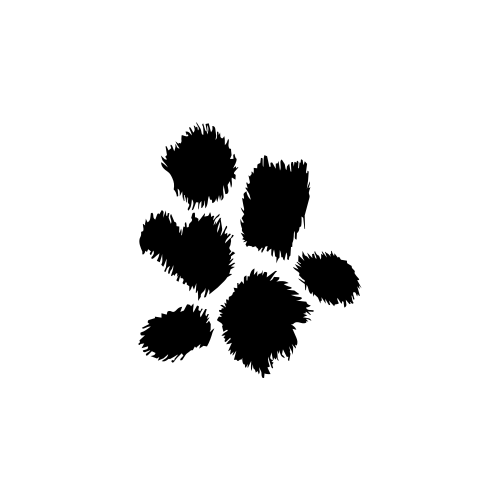 0Cheetah pattern occupies a specific position within the animal print category, differentiated from Leopard Pattern by its smaller, rounder, solid (unfilled) spots and lighter tawny ground colour. In fashion and surface design, cheetah print is commercially active alongside leopard as part of the broader animal print market, though it is less dominant commercially. Its lighter ground and more delicate spot structure give it a different visual character - less saturated and bolder than leopard, more refined and even-toned.
 0Crocodile pattern translates the distinctive surface geometry of crocodile hide into a repeating surface design. The pattern is defined by the irregular but systematic tiling of scute-like forms - the bony, horny scales that cover the crocodile's body - arranged in a continuous all-over texture. As a surface pattern type, it belongs to the broader category of reptile-print and animal-skin textures, which have enduring commercial relevance in luxury fashion.
 0Dinosaur pattern is a commercially reliable children's motif category with consistent market demand. Driven by the persistent cultural popularity of dinosaurs - sustained through museum exhibits, film franchises such as Jurassic Park, and children's media - the category provides surface pattern designers with a distinctive zoological subject that combines fantasy appeal with factual content. Dinosaur pattern is primarily positioned in children's markets but has expanded into adult and lifestyle applications through ironic, graphic, and nostalgic treatments.
 0Dog pattern draws on one of the oldest and most widespread human-animal relationships. Dogs have been depicted in decorative arts across cultures and centuries - from prehistoric rock carvings and Greek ceramics through Renaissance portraiture and Victorian oil painting to contemporary character illustration. As a surface pattern motif, dog imagery carries strong associations with loyalty, companionship, and domestic life, making it commercially reliable across gifting, home textiles, and lifestyle products. The variety of dog breeds provides a visually rich design vocabulary - from the elegant silhouette of the greyhound through the square-headed bulldog to the fluffy outline of the samoyed.
 0Horse pattern uses the horse figure - in full-body illustration, silhouette, or stylised form - as the primary surface design motif. The category sits within the broader animal print and figurative pattern family. It is commercially active across equestrian lifestyle products, country and rural aesthetic homeware, children's textiles and stationery, and seasonal gift ranges. The horse's visual vocabulary - drawn from the diverse range of horse coat colours and marking types - provides a rich palette reference for surface designers working in this category.
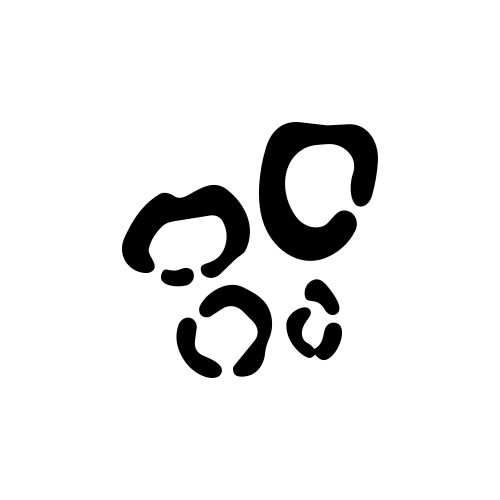 0Leopard pattern replicates the coat markings of the leopard (Panthera pardus) - black or dark brown spots and rosettes on a tawny gold to tan ground. It is the dominant animal print pattern type in fashion, with a commercial history in womenswear extending from early 20th-century fur substitution through to a continuous contemporary presence. Leopard print sits within the broader Animal Print category and is specifically distinguished from Cheetah Pattern (which has solid black spots on a yellow ground, without rosettes) by its characteristic rosette structure: irregularly shaped clusters of spots forming partial ring shapes around a lighter centre.
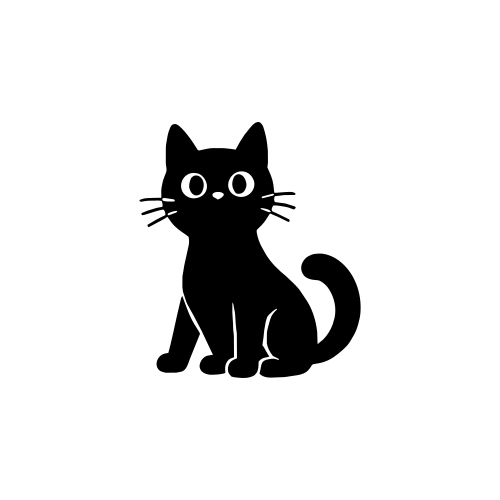 0Pet patterns draw on the universal appeal of domestic animal companions to create commercially accessible, emotionally resonant repeating designs. As a novelty/conversational print category, they derive value from the recognisability and affective associations of the depicted animals rather than from abstract visual interest. The category is commercially durable because pet ownership is widespread and pet-related gifting is a large and growing retail segment. The term covers three related but distinct design approaches: illustrative repeat patterns featuring stylised or cartoon animal motifs; custom merchandise where a specific pet's image is made into a personalised repeat; and the natural coat markings of animals themselves (tabby cat patterns, dalmatian spots) used as surface pattern reference.
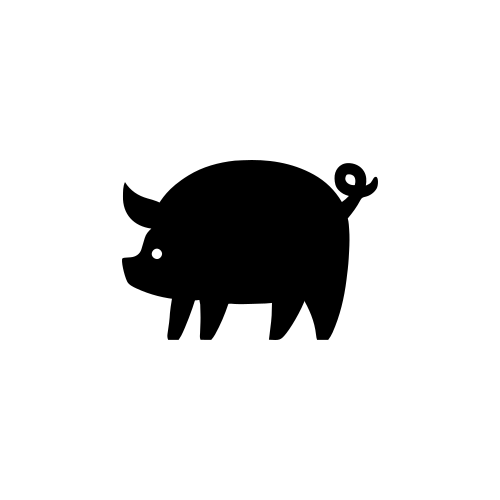 0Pig patterns sit within the farm animal novelty print category alongside cow, sheep, chicken, and duck motif designs. As a conversational print, the pig's strong silhouette - rounded body, distinctive snout, curly tail, pink colouring - provides an immediately recognisable motif with broad, non-specific appeal. Commercially, pig patterns operate primarily in children's markets (apparel, nursery products) and in novelty gifting contexts. Pink pig imagery has particular cultural currency in East Asian markets (the Year of the Pig in the Chinese zodiac generates cyclical demand). The farm-to-table and artisan food cultural moment has also contributed some adult-market positioning for pig motifs in kitchen and homeware contexts.
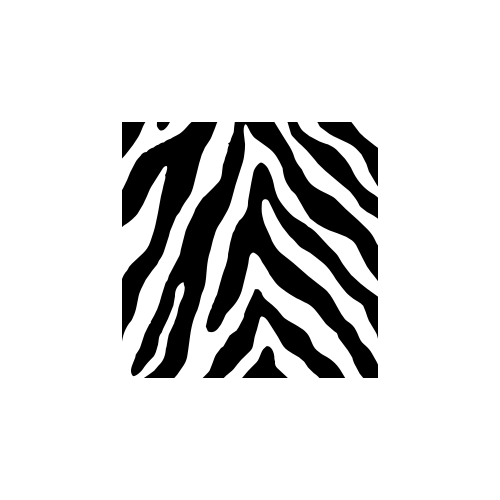 0Tiger print is a major category within animal print surface pattern, distinguished from other large-cat prints by its stripe structure rather than spot or rosette arrangement. The tiger's orange ground with black stripes - and the knowledge that each animal carries a unique, individual pattern - has made the tiger an enduring reference for bold, energetic fashion and lifestyle prints. Tiger-stripe patterning has also had a significant independent history in military camouflage design.
 0Zebra print is one of the most commercially durable animal print categories in surface pattern design, distinguished by its extreme simplicity - two colours only, typically black and white - and its bold, organic stripe structure. Unlike tiger print (orange and black, curved organic stripes) or leopard print (spots/rosettes on a tawny ground), zebra print derives its impact from the graphic intensity of the black-white contrast and the flowing, individual character of each stripe. Its commercial appeal is broad, crossing fashion, home design, and accessories markets.
You've reached the end
14 Types