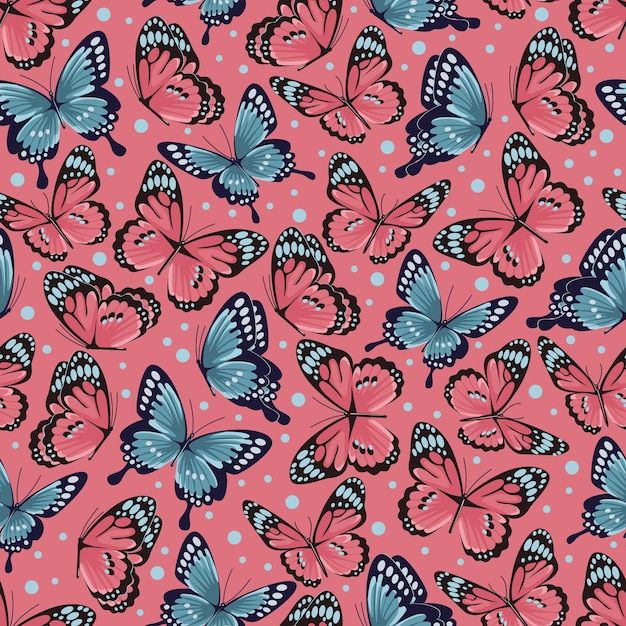
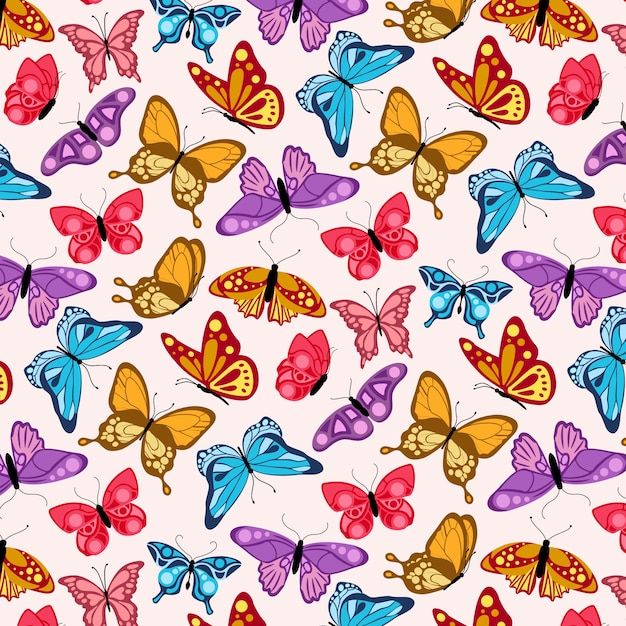
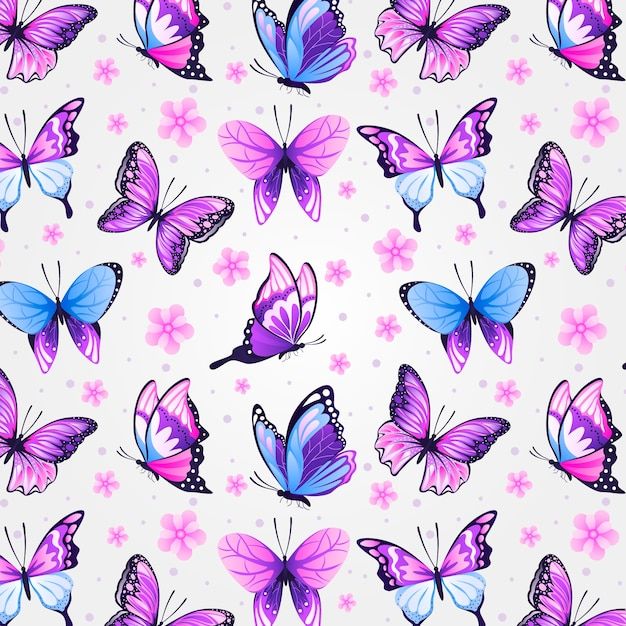
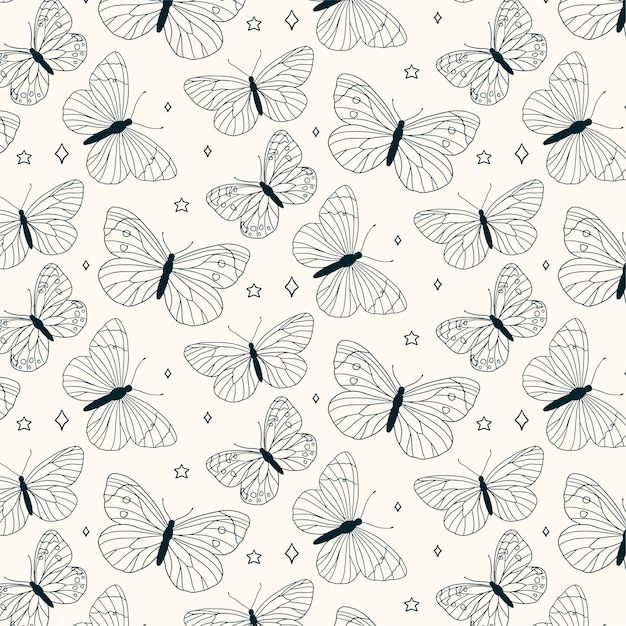
Butterfly pattern has a long history in both fine decorative arts and commercial surface design. As a motif, the butterfly offers symmetry, colour complexity, wing-surface variation, and symbolic richness - making it commercially active across luxury fashion, interior wallpaper, scarves, upholstery, and licensing. The historical trajectory of butterfly pattern runs from scientific illustration (E.A. Seguy, 1925) through haute couture (Schiaparelli, McQueen) to contemporary wallpaper and textiles. Moths are frequently treated as aesthetic extensions of butterfly pattern, with their own design vocabulary.
We use cookies to improve your experience and understand how PatternDesigners is used.
Butterfly pattern has a long history in both fine decorative arts and commercial surface design. As a motif, the butterfly offers symmetry, colour complexity, wing-surface variation, and symbolic richness - making it commercially active across luxury fashion, interior wallpaper, scarves, upholstery, and licensing. The historical trajectory of butterfly pattern runs from scientific illustration (E.A. Seguy, 1925) through haute couture (Schiaparelli, McQueen) to contemporary wallpaper and textiles. Moths are frequently treated as aesthetic extensions of butterfly pattern, with their own design vocabulary.
Butterfly patterns range from naturalistic specimen-style illustration (detailed wing markings, accurate species representation) to stylised, abstracted, or geometric interpretations. Wing patterns provide inherent visual complexity - spots, eyespots, veining, chevrons, and iridescent fields - that translate directly into textile and surface design. The bilateral symmetry of butterfly wings makes them naturally suited to mirror-repeat compositions and centred medallion arrangements. All-over scattered butterfly repeats at varying scales are a standard commercial format.
Butterfly patterns commonly appear in:
Butterfly patterns span a wide colour range - from the rich warm tones of monarch and tiger species through the iridescent blues and greens of morpho butterflies to the restrained grey-brown palettes of moth-inspired work. Historicising approaches draw on Victorian botanical illustration palettes (warm ochres, burnt siennas, cream grounds). Contemporary fashion applications have used butterfly pattern in bold, maximalist colourways (Emilio Pucci, Valentino 2014) as well as in refined, limited-palette luxury editions (Alexander McQueen scarf).
E.A. Seguy's 1925 portfolio Papillons - comprising scientific specimen drawings reworked into fabric and wallpaper patterns - established butterfly as a canonical surface pattern motif in the Art Deco period. Earlier uses include Dagobert Peche's "Dovetail" design for the Wiener Werkstätte (1913) and Frederic Robida's butterfly textile work (1925). Arthur Sanderson & Sons produced butterfly fabric designs from 1930. Elsa Schiaparelli incorporated butterfly embroidery in 1937. Emilio Pucci's scarf designs and Vera Neumann's scarves, apparel, bedding, and table linens developed butterfly as a commercial fashion motif through the mid-20th century. Pietro Fornasetti's "Ultime Notizie" (1953) applied butterfly imagery to decorative objects. More recent fashion uses include Matthew Williamson for Osborne & Little wallpaper, Alexander McQueen's 2013 butterfly scarf and 2011 "Monarch" rug, and Valentino's 2014 butterfly print collections. In wallpaper, Schumacher's "Birds & Butterflies" and Timorous Beasties' "Zig Zag Moth" and "White Moth" represent contemporary applications.
Butterfly pattern has a long history in both fine decorative arts and commercial surface design. As a motif, the butterfly offers symmetry, colour complexity, wing-surface variation, and symbolic richness - making it commercially active across luxury fashion, interior wallpaper, scarves, upholstery, and licensing. A.
Butterfly patterns range from naturalistic specimen-style illustration (detailed wing markings, accurate species representation) to stylised, abstracted, or geometric interpretations.
Animal
Radial and Scatter
Wing eyespots and complex wing-surface markings Butterfly specimens in flight, resting, or symmetrically posed Moth forms - particularly large-winged, nocturnal, and subtler in palette than butterflies Butterfly combined with botanicals - flowers, leaves, and grasses Abstract wing-shape extractions
Butterfly patterns span a wide colour range - from the rich warm tones of monarch and tiger species through the iridescent blues and greens of morpho butterflies to the restrained grey-brown palettes of moth-inspired work.
A. Seguy's 1925 portfolio Papillons - comprising scientific specimen drawings reworked into fabric and wallpaper patterns - established butterfly as a canonical surface pattern motif in the Art Deco period.
Floral Pattern, Botanical Pattern, and Art Nouveau Pattern