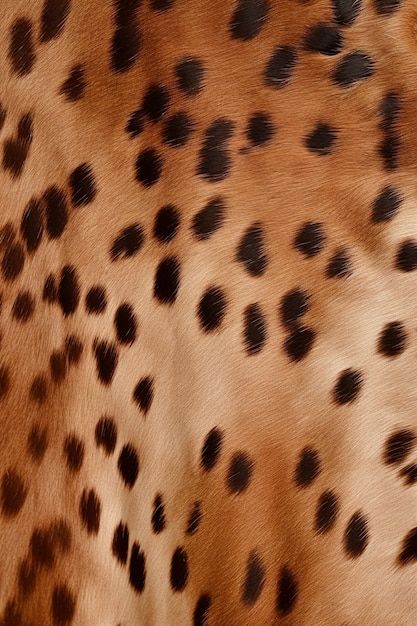
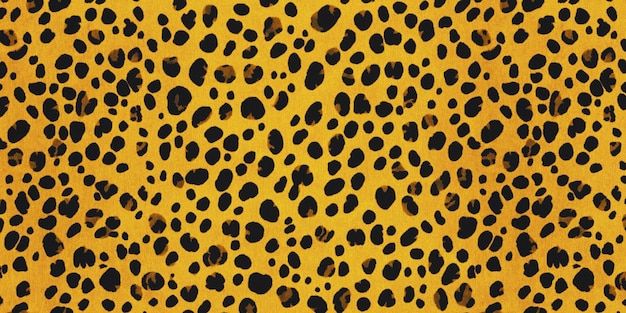
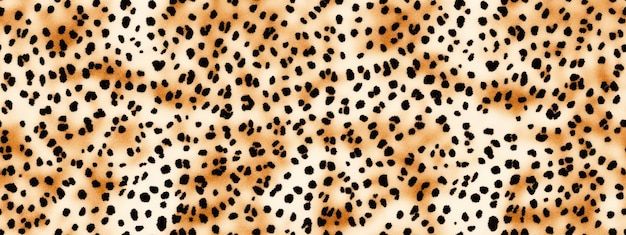
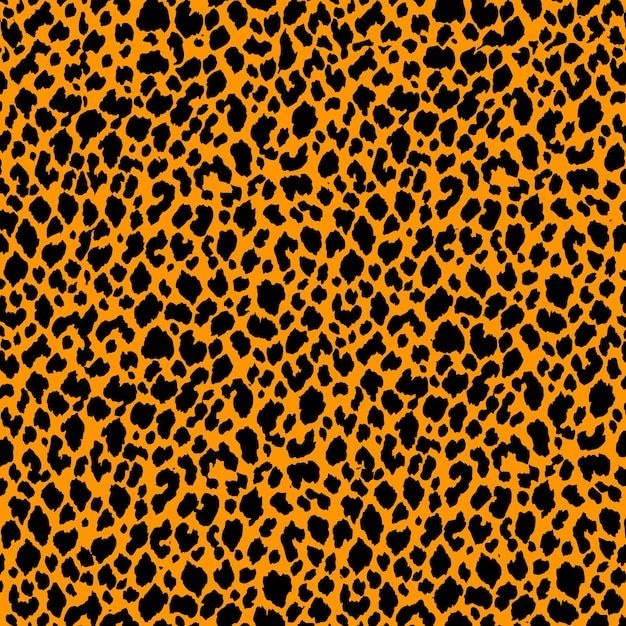
Cheetah pattern occupies a specific position within the animal print category, differentiated from Leopard Pattern by its smaller, rounder, solid (unfilled) spots and lighter tawny ground colour. In fashion and surface design, cheetah print is commercially active alongside leopard as part of the broader animal print market, though it is less dominant commercially. Its lighter ground and more delicate spot structure give it a different visual character - less saturated and bolder than leopard, more refined and even-toned.
We use cookies to improve your experience and understand how PatternDesigners is used.
Cheetah pattern occupies a specific position within the animal print category, differentiated from Leopard Pattern by its smaller, rounder, solid (unfilled) spots and lighter tawny ground colour. In fashion and surface design, cheetah print is commercially active alongside leopard as part of the broader animal print market, though it is less dominant commercially. Its lighter ground and more delicate spot structure give it a different visual character - less saturated and bolder than leopard, more refined and even-toned.
The cheetah coat comprises approximately 2,000 evenly spaced, oval to round solid black spots, each approximately 3-5 cm in diameter, distributed across the body. The ground colour ranges from tawny golden-brown to creamy white or pale buff. Each individual cheetah has a unique spot pattern - functioning analogously to a fingerprint - though in surface pattern design a generalised version of this distribution is used. The coat also features distinctive "tear tracks" - black streaks running from the eyes to the mouth - though these are a facial marking rather than a body pattern. The tail typically displays 4-6 dark rings terminating in a white or black tuft.
The king cheetah - a variant produced by a mutation in the Taqpep gene - displays larger blotches and bold stripes rather than discrete spots, producing a dramatically different visual that reads more like leopard or jaguar.
Standard cheetah print uses an all-over scattered spot structure: round or oval solid spots distributed evenly across the surface without clear directional emphasis. Spacing is relatively even, unlike the clustered rosette structure of leopard. The spots are solid fills - no open centre or inner marking - which distinguishes cheetah from leopard at a glance. In printed form, cheetah pattern is typically rendered as an all-over repeat with varied spot placement within the tile to avoid obvious grid regularity.
The naturalistic cheetah palette centres on tawny to golden-brown grounds with solid black spots. Commercial fashion applications maintain this palette for authenticity while fashion reinterpretations substitute other ground colours - tan, cream, caramel, or off-white - to vary the seasonal and market positioning. Occasionally the palette is inverted (white spots on dark ground) or recoloured entirely for fashion effect. The lighter, more neutral tawny ground differentiates cheetah from leopard's richer, more saturated tan.
Cheetahs have been kept as hunting animals and status symbols by royalty and nobility since ancient times - depicted in Mughal court paintings and Egyptian art - which gives cheetah-referencing motifs a historical luxury connotation. In 20th-century fashion, cheetah print was commercially active alongside leopard as part of the broader animal print trend. The biological distinctiveness of cheetah coat markings from leopard rosettes is scientifically well-established: the Taqpep gene governs spotting patterning in cats, with different alleles producing the characteristic cheetah spot vs. the leopard rosette.
Cheetah pattern occupies a specific position within the animal print category, differentiated from Leopard Pattern by its smaller, rounder, solid (unfilled) spots and lighter tawny ground colour.
The cheetah coat comprises approximately 2,000 evenly spaced, oval to round solid black spots, each approximately 3-5 cm in diameter, distributed across the body. The ground colour ranges from tawny golden-brown to creamy white or pale buff.
Animal
Standard cheetah print uses an all-over scattered spot structure: round or oval solid spots distributed evenly across the surface without clear directional emphasis. Spacing is relatively even, unlike the clustered rosette structure of leopard.
Small solid oval/round black spots on tawny or golden-brown ground Even distribution without clear directional flow King cheetah variant: large blotches and bold stripes (more dramatic commercial variant) "Tear track" facial marking (sometimes used as a decorative detail reference)
The naturalistic cheetah palette centres on tawny to golden-brown grounds with solid black spots. Commercial fashion applications maintain this palette for authenticity while fashion reinterpretations substitute other ground colours - tan, cream, caramel, or off-white - to vary the seasonal and market positioning.
Cheetahs have been kept as hunting animals and status symbols by royalty and nobility since ancient times - depicted in Mughal court paintings and Egyptian art - which gives cheetah-referencing motifs a historical luxury connotation.
Leopard Pattern, Animal Pattern, and Tiger Pattern