Types
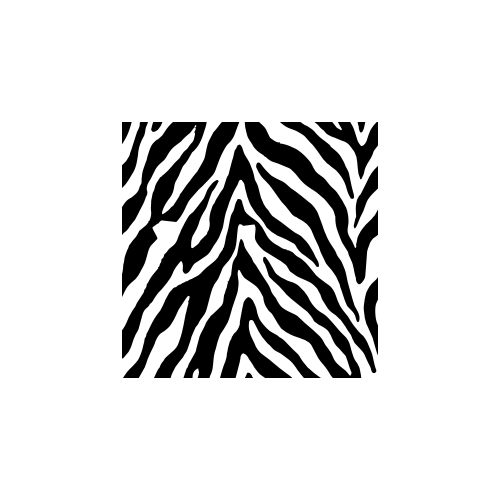 4Animal print is one of the most commercially durable print categories in fashion and interiors. The category carries consistent associations of luxury, wildness, and status. Leopard and cheetah prints are the most commercially active; zebra and tiger follow closely. The pattern cycles between trend status and perennial commercial category - it reliably resurfaces in fashion and interior design across market cycles.
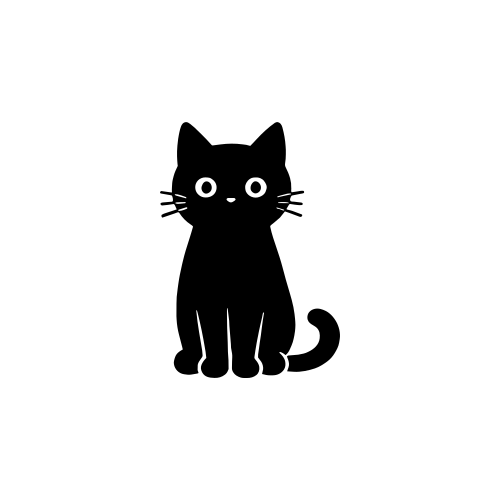 0Cat patterns operate on two levels in surface design: as a figurative motif (cats as characters, poses, or silhouettes) and as a reference to feline coat markings (stripes, spots, and tortoiseshell coloration systems). Feline coat pattern provides a rich, naturally occurring visual vocabulary that directly informs pattern design - particularly tabby stripe, tortoiseshell colour mixing, and calico tricolour arrangements. Domestically, cat-themed surface pattern is commercially active in gifting, stationery, home textiles, and children's products.
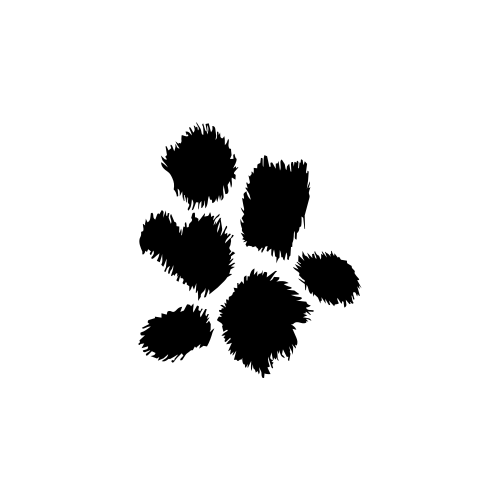 0Cheetah pattern occupies a specific position within the animal print category, differentiated from Leopard Pattern by its smaller, rounder, solid (unfilled) spots and lighter tawny ground colour. In fashion and surface design, cheetah print is commercially active alongside leopard as part of the broader animal print market, though it is less dominant commercially. Its lighter ground and more delicate spot structure give it a different visual character - less saturated and bolder than leopard, more refined and even-toned.
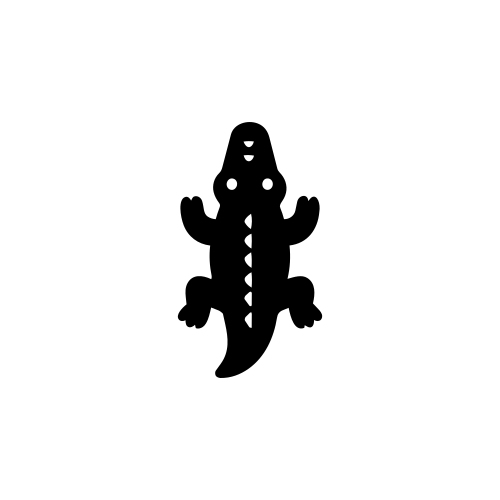 0Crocodile pattern translates the distinctive surface geometry of crocodile hide into a repeating surface design. The pattern is defined by the irregular but systematic tiling of scute-like forms - the bony, horny scales that cover the crocodile's body - arranged in a continuous all-over texture. As a surface pattern type, it belongs to the broader category of reptile-print and animal-skin textures, which have enduring commercial relevance in luxury fashion.
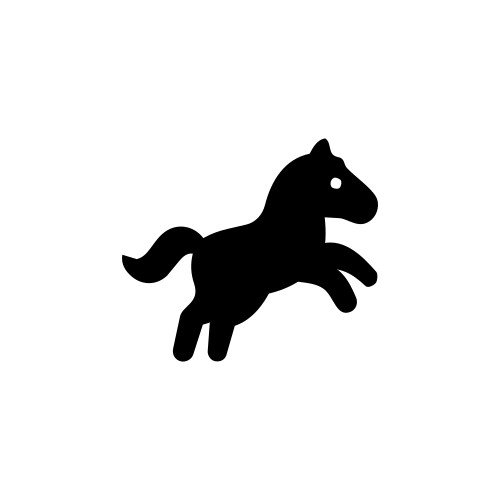 0Horse pattern uses the horse figure - in full-body illustration, silhouette, or stylised form - as the primary surface design motif. The category sits within the broader animal print and figurative pattern family. It is commercially active across equestrian lifestyle products, country and rural aesthetic homeware, children's textiles and stationery, and seasonal gift ranges. The horse's visual vocabulary - drawn from the diverse range of horse coat colours and marking types - provides a rich palette reference for surface designers working in this category.
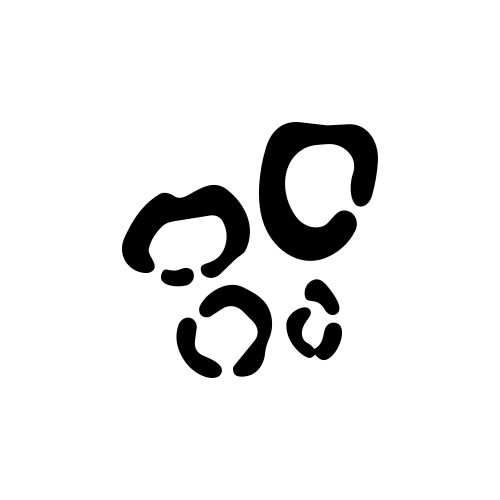 0Leopard pattern replicates the coat markings of the leopard (Panthera pardus) - black or dark brown spots and rosettes on a tawny gold to tan ground. It is the dominant animal print pattern type in fashion, with a commercial history in womenswear extending from early 20th-century fur substitution through to a continuous contemporary presence. Leopard print sits within the broader Animal Print category and is specifically distinguished from Cheetah Pattern (which has solid black spots on a yellow ground, without rosettes) by its characteristic rosette structure: irregularly shaped clusters of spots forming partial ring shapes around a lighter centre.
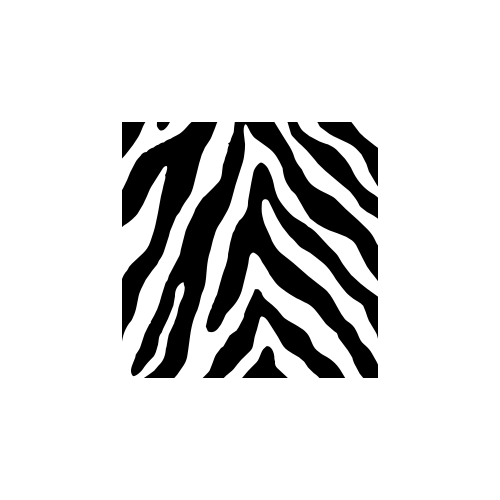 0Tiger print is a major category within animal print surface pattern, distinguished from other large-cat prints by its stripe structure rather than spot or rosette arrangement. The tiger's orange ground with black stripes - and the knowledge that each animal carries a unique, individual pattern - has made the tiger an enduring reference for bold, energetic fashion and lifestyle prints. Tiger-stripe patterning has also had a significant independent history in military camouflage design.
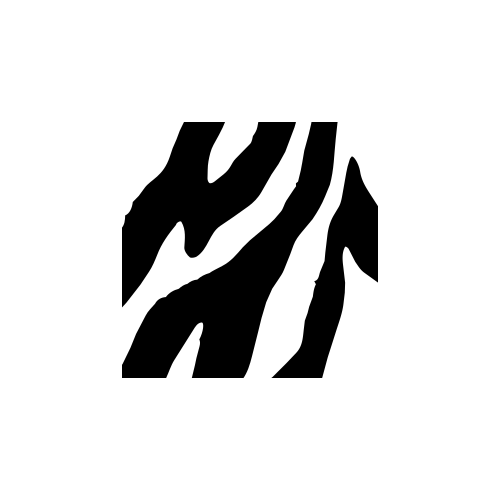 0Zebra print is one of the most commercially durable animal print categories in surface pattern design, distinguished by its extreme simplicity - two colours only, typically black and white - and its bold, organic stripe structure. Unlike tiger print (orange and black, curved organic stripes) or leopard print (spots/rosettes on a tawny ground), zebra print derives its impact from the graphic intensity of the black-white contrast and the flowing, individual character of each stripe. Its commercial appeal is broad, crossing fashion, home design, and accessories markets.
You've reached the end
8 Types