Orange is a secondary colour formed midway between red and yellow on the colour wheel; its complementary colour is azure (blue). In surface pattern design, orange is a high-energy, high-warmth colour with strong seasonal associations (autumn and Halloween) and cultural associations with warmth, vitality, and creativity. The orange spectrum is commercially divided into red-orange (burnt orange, pumpkin, persimmon), yellow-orange (marigold, saffron), and neutral orange (cantaloupe, apricot, peach) sub-groups, each carrying distinct aesthetic and market associations. Notably, the fruit came before the colour name in English - the word "orange" was used for the fruit centuries before it was applied as a colour designation (16th century).
We use cookies to improve your experience and understand how PatternDesigners is used.
Orange is a secondary colour formed midway between red and yellow on the colour wheel; its complementary colour is azure (blue). In surface pattern design, orange is a high-energy, high-warmth colour with strong seasonal associations (autumn and Halloween) and cultural associations with warmth, vitality, and creativity. The orange spectrum is commercially divided into red-orange (burnt orange, pumpkin, persimmon), yellow-orange (marigold, saffron), and neutral orange (cantaloupe, apricot, peach) sub-groups, each carrying distinct aesthetic and market associations. Notably, the fruit came before the colour name in English - the word "orange" was used for the fruit centuries before it was applied as a colour designation (16th century).
Orange in surface pattern reads as warm, active, and energetic. The specific orange shade dramatically changes the aesthetic character: burnt orange reads as earthy and autumnal; saffron reads as rich and sacred (Hindu and Buddhist associations); tangerine reads as bright and tropical; apricot reads as soft and pastel. Orange works as an accent colour in multi-coloured compositions and as a dominant ground colour in bold geometric and retro-aesthetic prints.
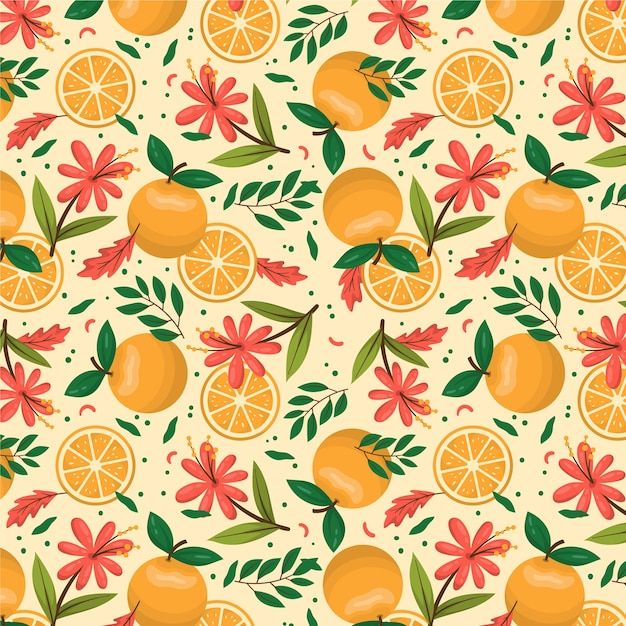
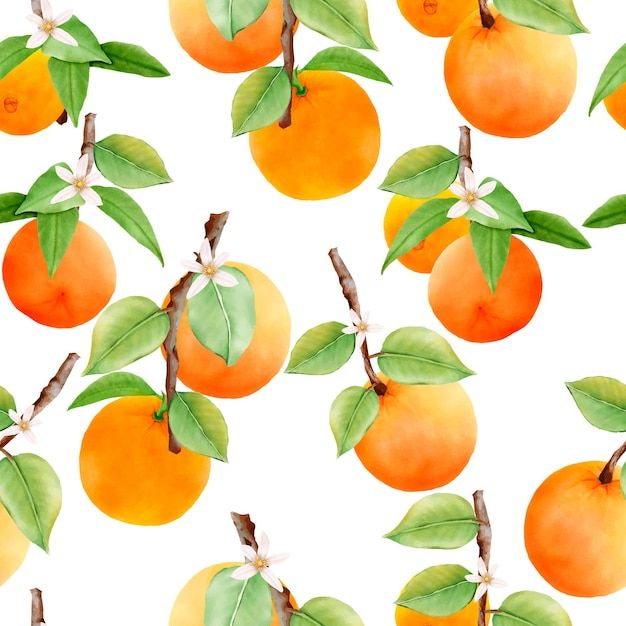
Orange functions as a colour applied to any pattern structure - it does not define or constrain the structural type. Orange-dominant surface pattern is most commercially associated with: autumnal and harvest-themed design (pumpkin, leaf, harvest motifs); Halloween seasonal pattern (orange-and-black is the canonical Halloween palette); retro 1970s-aesthetic surface design (where orange, brown, and cream are characteristic); and contemporary citrus/tropical patterns.
Orange is most naturally associated with:
Documented named orange shades with design relevance:
Red-orange group:
Yellow-orange group:
Neutral/light orange group:
Dark/vivid orange group:
Safety and signal orange:
Orange as a colour name in English dates to the 16th century, derived from the Old French word for the orange fruit (itself from Arabic/Sanskrit origins). Before the fruit arrived in Europe, "orange" as a colour was described using words like "yellow-red" in English. The orange dye tradition in textiles includes: saffron (the most historically significant natural orange-yellow dye, used in South Asian and Mediterranean cultures); henna; and natural ochre pigments. The synthetic orange pigment and dye industry developed through the 19th century, enabling consistent bright orange reproduction. Saffron has been used as a dye and as a sacred colour in Hindu and Buddhist traditions since at least the 12th century. International orange was specified for the Golden Gate Bridge in 1937 to ensure the bridge's visibility in San Francisco's frequent fog.
Orange is a secondary colour formed midway between red and yellow on the colour wheel; its complementary colour is azure (blue).
Orange in surface pattern reads as warm, active, and energetic. The specific orange shade dramatically changes the aesthetic character: burnt orange reads as earthy and autumnal; saffron reads as rich and sacred (Hindu and Buddhist associations); tangerine reads as bright and tropical; apricot reads as soft and pastel.
Colour
Orange functions as a colour applied to any pattern structure - it does not define or constrain the structural type.
Festive and Retro
Orange as a colour name in English dates to the 16th century, derived from the Old French word for the orange fruit (itself from Arabic/Sanskrit origins). Before the fruit arrived in Europe, "orange" as a colour was described using words like "yellow-red" in English.
Halloween Pattern, Fruit Pattern, Floral Pattern, and Tropical Pattern