A simple repeating pattern is a design in which one or more motifs are systematically duplicated to create an infinitely continuous surface. The repeat unit - the smallest tile that contains the complete design - is placed according to a layout rule that governs how tiles relate to each other spatially. Understanding these layout rules is considered one of the core technical competencies of surface pattern design. Once motifs are established, a designer can produce multiple coordinating patterns by applying different repeat layouts to the same elements.
We use cookies to improve your experience and understand how PatternDesigners is used.
A simple repeating pattern is a design in which one or more motifs are systematically duplicated to create an infinitely continuous surface. The repeat unit - the smallest tile that contains the complete design - is placed according to a layout rule that governs how tiles relate to each other spatially. Understanding these layout rules is considered one of the core technical competencies of surface pattern design. Once motifs are established, a designer can produce multiple coordinating patterns by applying different repeat layouts to the same elements.
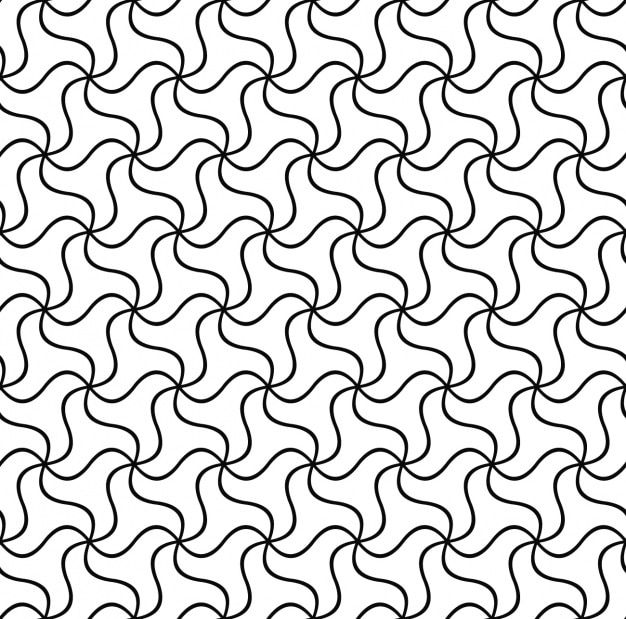
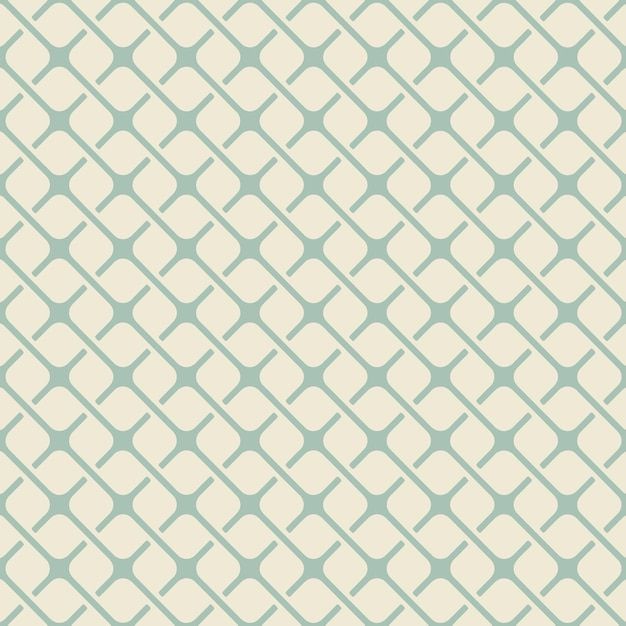
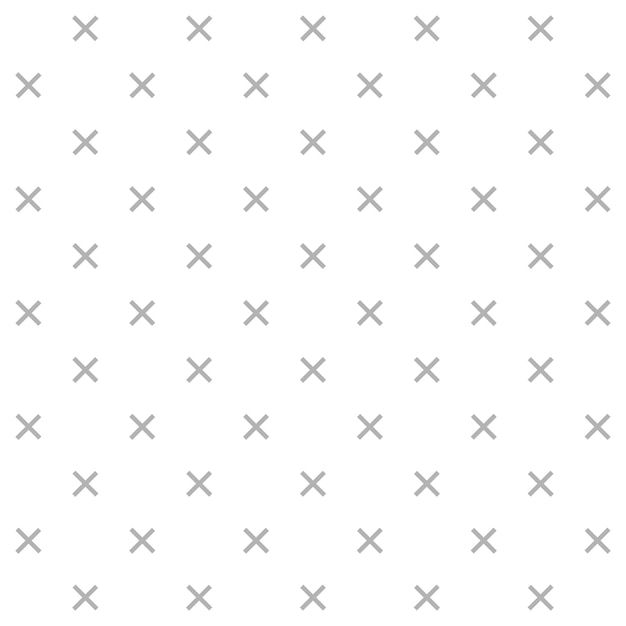
Appearance varies entirely by layout type and motif. Full-drop repeats produce formal, grid-aligned compositions. Half-drop and brick offsets create diagonally flowing movement that reads as more informal and organic. Tossed repeats appear scattered and energetic. Diamond and ogee repeats generate strong diagonal rhythm. Stripe layouts create bold directional emphasis, whether built from solid colour blocks, motif rows, or textural bands.
Seven primary repeat layouts are used in commercial surface pattern production:
Within a pattern collection, a hero pattern (the most complex and motif-rich design) is often produced as a tossed repeat, while coordinating patterns use simpler layouts - dot, stripe, or block - drawn from the same motif vocabulary.
The simple repeating pattern is a structural category, not a motif category. Any motif - floral, geometric, conversational, abstract - can be executed as a repeating pattern. The repeat layout is the defining characteristic, not the subject matter.
No fixed palette. Repeat structures are layout rules independent of colour. However, full-drop and stripe layouts typically suit bold, graphic colour choices, while half-drop and tossed layouts handle complex multi-colour motif arrangements well.
Seamless repeat construction has been a technical requirement in textile production for centuries, from hand-block printing to Jacquard weaving. The industrialisation of fabric printing in the 18th and 19th centuries formalised the repeat unit as a production concept. Digital tools - particularly Adobe Illustrator - have made repeat construction more accessible, and repeat types are now a standard element of surface pattern design education.
Repeat pattern structures are universal across all surface pattern markets: apparel fabrics, furnishing textiles, wallpaper, gifting wrap, stationery, bedlinen, and print-on-demand platforms. The choice of repeat type affects both the technical production requirements (fabric yardage efficiency, print registration) and the visual character of the finished product. Half-drop and brick repeats are particularly common in wallpaper and furnishing fabric production.
A simple repeating pattern is a design in which one or more motifs are systematically duplicated to create an infinitely continuous surface. The repeat unit - the smallest tile that contains the complete design - is placed according to a layout rule that governs how tiles relate to each other spatially.
Appearance varies entirely by layout type and motif. Full-drop repeats produce formal, grid-aligned compositions. Half-drop and brick offsets create diagonally flowing movement that reads as more informal and organic. Tossed repeats appear scattered and energetic.
Repeat pattern structures are universal across all surface pattern markets: apparel fabrics, furnishing textiles, wallpaper, gifting wrap, stationery, bedlinen, and print-on-demand platforms.
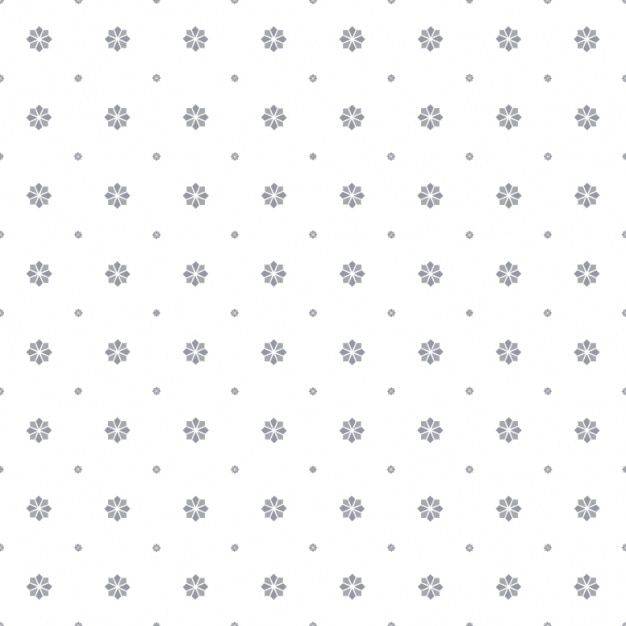
Seven primary repeat layouts are used in commercial surface pattern production: Full Drop (Block): Motifs stacked in an aligned horizontal and vertical grid. The simplest construction; produces a formal, structured look. Tiles can be square or rectangular.
The simple repeating pattern is a structural category, not a motif category. Any motif - floral, geometric, conversational, abstract - can be executed as a repeating pattern. The repeat layout is the defining characteristic, not the subject matter.
No fixed palette. Repeat structures are layout rules independent of colour. However, full-drop and stripe layouts typically suit bold, graphic colour choices, while half-drop and tossed layouts handle complex multi-colour motif arrangements well.
Seamless repeat construction has been a technical requirement in textile production for centuries, from hand-block printing to Jacquard weaving. The industrialisation of fabric printing in the 18th and 19th centuries formalised the repeat unit as a production concept.
Half Drop Pattern, Diamond Pattern, Ogee Pattern, Stripe Pattern, and Types of Repeat Pattern