Brickwork pattern translates architectural masonry structure into a printed or woven surface design. In surface pattern design it functions primarily as a texture or background element, used to add structural visual interest without figurative content. The pattern appears across interiors, stationery, and fashion as a reference to urban, industrial, and heritage architectural aesthetics. It is commercially active in home decor wallpaper, printed textiles, and lifestyle products.
We use cookies to improve your experience and understand how PatternDesigners is used.
Brickwork pattern translates architectural masonry structure into a printed or woven surface design. In surface pattern design it functions primarily as a texture or background element, used to add structural visual interest without figurative content. The pattern appears across interiors, stationery, and fashion as a reference to urban, industrial, and heritage architectural aesthetics. It is commercially active in home decor wallpaper, printed textiles, and lifestyle products.
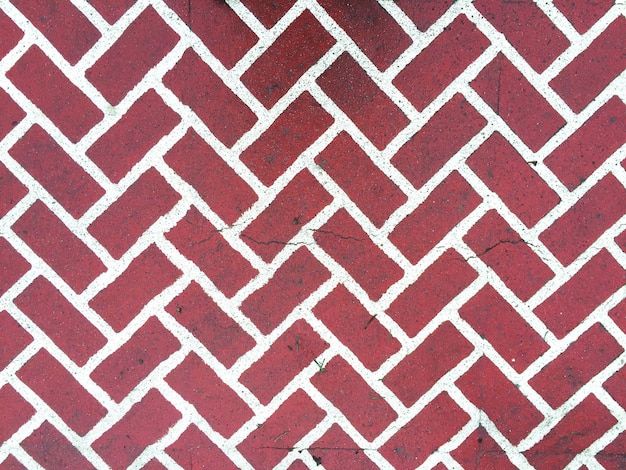
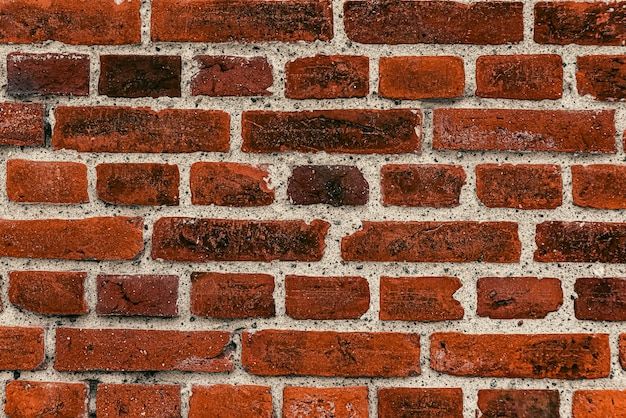
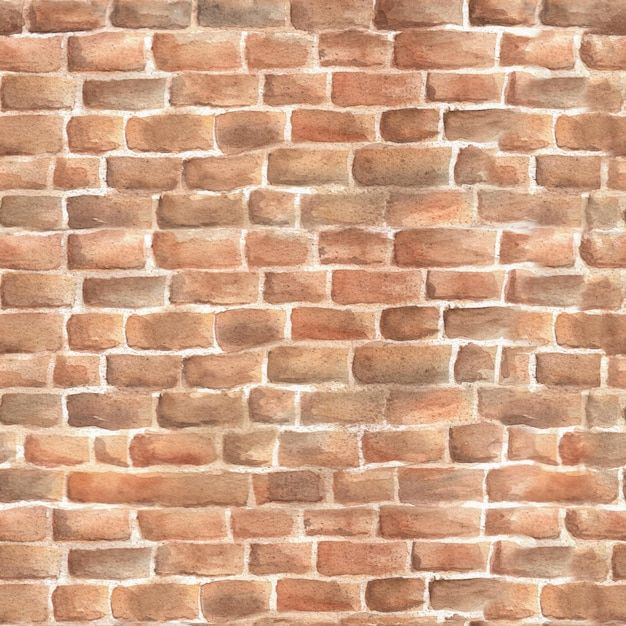
The core brickwork visual is a grid of horizontal rectangles offset by half a unit on alternating rows - producing the classic running bond appearance. Visual variation comes through brick orientation (stretcher, header, soldier, sailor, rowlock), bonding pattern, colour, and scale. Polychromatic brickwork uses contrasting brick colours to create additional pattern within the masonry surface - diaper patterns and decorative geometric arrangements are characteristic of Victorian and Tudor polychromatic work. At fine scale, brickwork pattern reads as texture; at larger scale, individual brick units become distinct graphic elements.
Brickwork patterns are fundamentally grid-based repeats. The running bond is a half-drop brick repeat - each row offset by 50% from the adjacent row. Other bond types produce different repeat geometries: English bond alternates rows of stretchers and headers, creating a strong horizontal stripe emphasis; Flemish bond alternates stretchers and headers within each row, producing a more visually complex surface. At the surface level, most printed brickwork patterns simplify to the running bond structure - the most visually recognisable masonry arrangement.
Traditional brickwork colour references terracotta and fired clay - warm reds, oranges, buffs, and sandy tones. Victorian polychromatic brickwork expanded the palette to include cream, buff, blue-grey, and black brick combinations, creating decorative colour patterns within the masonry surface. Modern surface pattern interpretations of brickwork use any colourway - including greyscale industrial treatments and pastel or vibrant colour applications that distance the pattern from its architectural reference and treat it as geometric abstraction.
Fired brick construction dates to approximately 2600 BC at Mohenjo-daro (Indus Valley) and to around 1400 BC at Dur-Kurigalzu in Mesopotamia. The distinctive bonding patterns used in Western masonry - English bond, Flemish bond, and their variants - were codified through centuries of construction practice and became associated with regional building traditions across Europe. Tudor England developed decorative diaper brickwork using contrasting-colour headers to create diamond and geometric patterns within façades. Victorian architectural polychromatic brickwork, influenced by John Ruskin's advocacy of honest material use and Gothic Revival, produced richly patterned brick façades using multiple clay colours - a directly translatable aesthetic for surface pattern design.
Brickwork pattern translates architectural masonry structure into a printed or woven surface design. In surface pattern design it functions primarily as a texture or background element, used to add structural visual interest without figurative content.
The core brickwork visual is a grid of horizontal rectangles offset by half a unit on alternating rows - producing the classic running bond appearance. Visual variation comes through brick orientation (stretcher, header, soldier, sailor, rowlock), bonding pattern, colour, and scale.
Fundamentals
Brickwork patterns are fundamentally grid-based repeats. The running bond is a half-drop brick repeat - each row offset by 50% from the adjacent row.
Traditional brickwork colour references terracotta and fired clay - warm reds, oranges, buffs, and sandy tones. Victorian polychromatic brickwork expanded the palette to include cream, buff, blue-grey, and black brick combinations, creating decorative colour patterns within the masonry surface.
Fired brick construction dates to approximately 2600 BC at Mohenjo-daro (Indus Valley) and to around 1400 BC at Dur-Kurigalzu in Mesopotamia.
Herringbone Pattern, Check Pattern, Stone Pattern, and Geometric Pattern