Hawaiian pattern refers to the printed textile aesthetic developed for and by the aloha shirt (also called the Hawaiian shirt) in 1920s-1930s Hawaii. Characterised by all-over tropical, floral, and Polynesian-inspired motifs in bold multicolour compositions, Hawaiian pattern evolved from the use of Japanese kimono fabrics by early Hawaiian garment makers, incorporating indigenous Hawaiian tapa and quilt design influences alongside the imported Japanese aesthetic. The pattern type has a documented commercial and cultural history, and remains commercially active in resort wear, summer fashion, and global casual wear.
We use cookies to improve your experience and understand how PatternDesigners is used.
Hawaiian pattern refers to the printed textile aesthetic developed for and by the aloha shirt (also called the Hawaiian shirt) in 1920s-1930s Hawaii. Characterised by all-over tropical, floral, and Polynesian-inspired motifs in bold multicolour compositions, Hawaiian pattern evolved from the use of Japanese kimono fabrics by early Hawaiian garment makers, incorporating indigenous Hawaiian tapa and quilt design influences alongside the imported Japanese aesthetic. The pattern type has a documented commercial and cultural history, and remains commercially active in resort wear, summer fashion, and global casual wear.
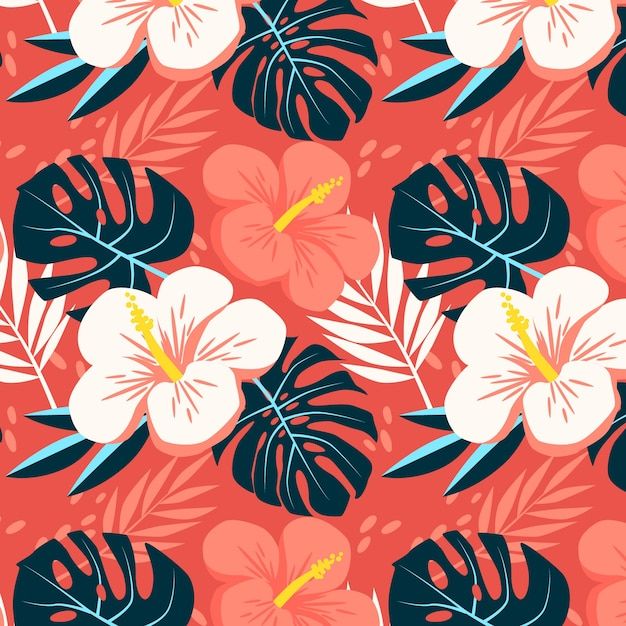
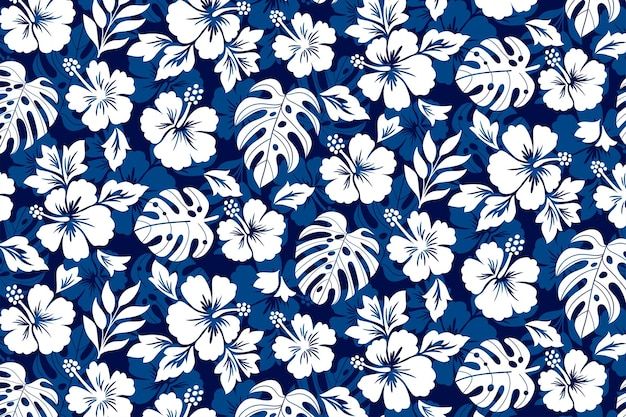
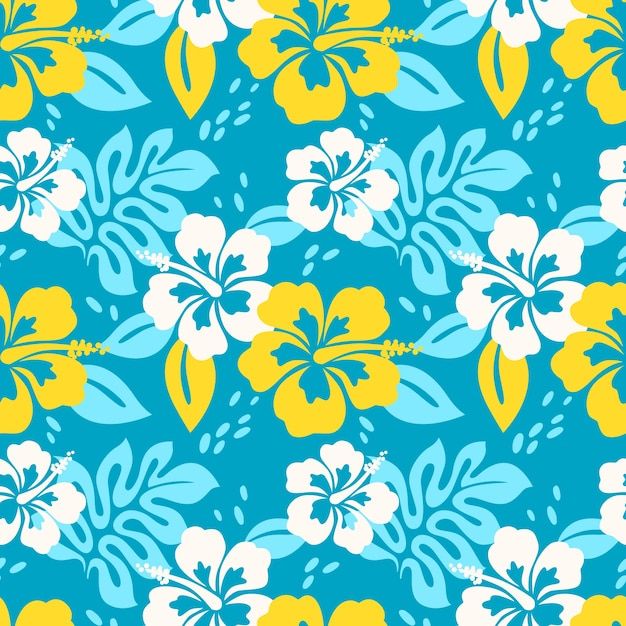
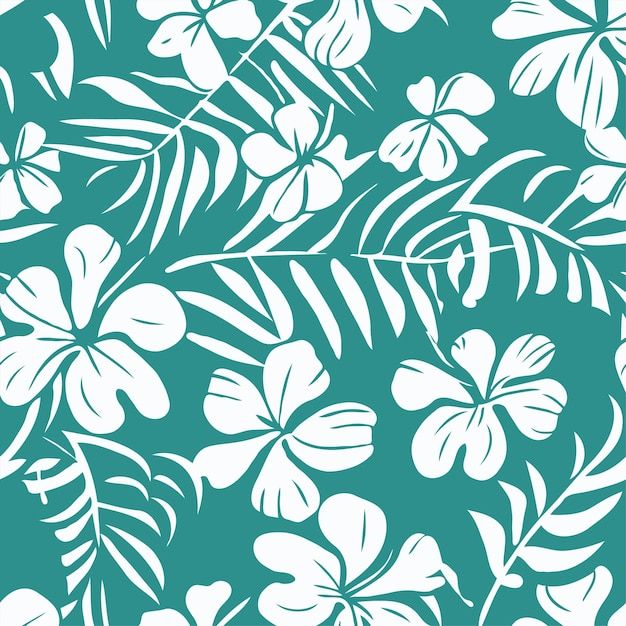
Hawaiian pattern is characterised by: all-over composition (no ground visible in the most saturated treatments); large-scale tropical and floral motifs; bold, saturated multicolour palettes; and an exuberant density of imagery. Motif elements - flowers, leaves, fish, birds, waves, and Polynesian design references - typically overlap and interlock across the surface without formal repeat boundaries being visible. Traditional designs from the early period use muted colours with discrete motifs; contemporary Hawaiian print (since the 1960s-70s) uses more vivid, high-contrast colour.
Hawaiian pattern is an all-over print in which the surface is densely covered with overlapping motifs, typically with no visible ground colour. The compositional structure tends toward irregular or loosely tossed arrangement rather than strict half-drop or grid repeat - maintaining a sense of natural abundance rather than engineered regularity. Placement versions (large-scale single tropical motifs) are used for shirts with engineered placement prints centred on the garment front.
Early aloha shirts (1920s-1940s) used traditional Japanese kasuri (ikat) fabric colours - muted, earthy tones with discrete motif placement. Post-World War II and post-Hawaiian statehood (1959) commercial aloha shirt production moved toward bolder, more vivid palettes. Contemporary Hawaiian pattern uses bright, saturated tropical colour - turquoise, coral, yellow, hot pink, and white. Alfred Shaheen, who produced elevated quality aloha shirts post-statehood, developed more sophisticated colour treatments for the fashion market. Traditional or "vintage Hawaiian" positioning uses muted, aged palettes.
The aloha shirt's origin lies in the 1920s-1930s in Hawaii, where Japanese immigrant tailors used surplus kimono fabric (particularly kasuri - Japanese ikat) to make shirts adapted to the local climate and consumer. The term "aloha shirt" first appeared in print on June 28, 1935. The genre evolved to incorporate indigenous Hawaiian design references alongside the Japanese textile aesthetic. Elvis Presley wore an Alfred Shaheen red aloha shirt in the film Blue Hawaii (1961), giving the pattern significant pop-cultural visibility. The aloha shirt's widespread adoption in mainland US business contexts via "Aloha Friday" (a Hawaiian practice of wearing aloha shirts on Fridays in workplaces) contributed to the broader "Casual Friday" movement globally. Established brands Tori Richard and Reyn Spooner both date from 1956, marking the post-statehood commercial maturation of the Hawaiian print industry.
Hawaiian pattern refers to the printed textile aesthetic developed for and by the aloha shirt (also called the Hawaiian shirt) in 1920s-1930s Hawaii.
Hawaiian pattern is characterised by: all-over composition (no ground visible in the most saturated treatments); large-scale tropical and floral motifs; bold, saturated multicolour palettes; and an exuberant density of imagery.
Seasonal
Hawaiian pattern is an all-over print in which the surface is densely covered with overlapping motifs, typically with no visible ground colour.
Botanical and Marine
Early aloha shirts (1920s-1940s) used traditional Japanese kasuri (ikat) fabric colours - muted, earthy tones with discrete motif placement. Post-World War II and post-Hawaiian statehood (1959) commercial aloha shirt production moved toward bolder, more vivid palettes.
The aloha shirt's origin lies in the 1920s-1930s in Hawaii, where Japanese immigrant tailors used surplus kimono fabric (particularly kasuri - Japanese ikat) to make shirts adapted to the local climate and consumer. The term "aloha shirt" first appeared in print on June 28, 1935.
Tropical Pattern, Floral Pattern, Botanical Pattern, and Ikat Pattern