Lattice pattern is derived from the visual and structural form of latticework - a framework of criss-crossed strips (in wood, metal, or other materials) that form an open grid or woven-diagonal pattern. As a surface pattern type, lattice uses intersecting diagonal or orthogonal lines or bands to create a regular grid with defined open areas (cells) between the crossing points. The lattice is one of the most fundamental structural patterns in surface design - it appears in tile and textile traditions worldwide, provides a compositional scaffold for more complex patterns, and functions both as a background framework and as a primary motif in its own right.
We use cookies to improve your experience and understand how PatternDesigners is used.
Lattice pattern is derived from the visual and structural form of latticework - a framework of criss-crossed strips (in wood, metal, or other materials) that form an open grid or woven-diagonal pattern. As a surface pattern type, lattice uses intersecting diagonal or orthogonal lines or bands to create a regular grid with defined open areas (cells) between the crossing points. The lattice is one of the most fundamental structural patterns in surface design - it appears in tile and textile traditions worldwide, provides a compositional scaffold for more complex patterns, and functions both as a background framework and as a primary motif in its own right.
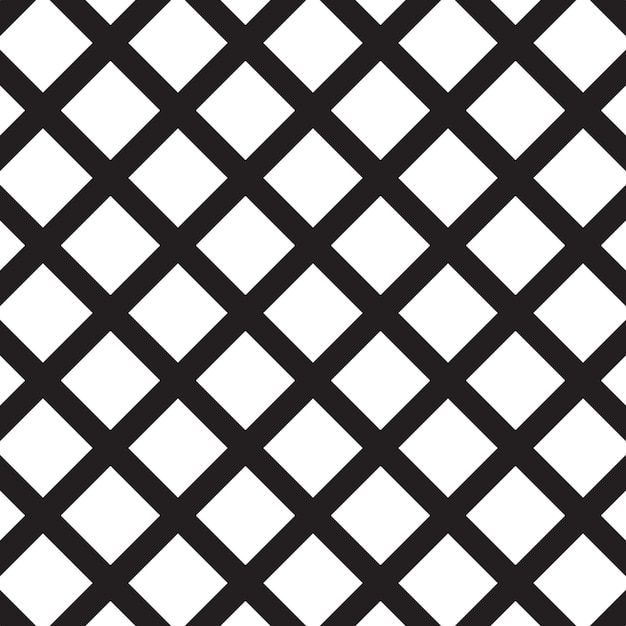
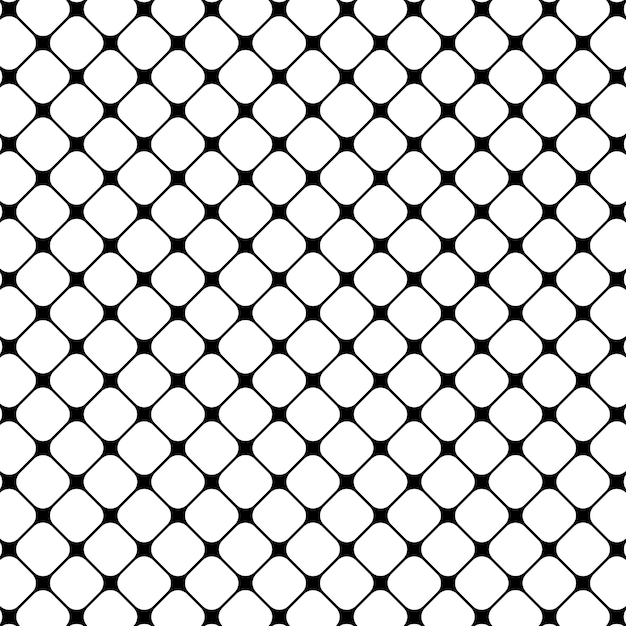
The defining visual characteristic of lattice pattern is the regular open grid formed by intersecting bands or lines. The lattice cell - the open area enclosed by crossing strips - can be square, diamond, or rectangular depending on the angle and proportion of the crossing elements. Diagonal lattice (bands crossing at 45°) is the most common surface design format. Orthogonal lattice (bands crossing at 90°) reads as a simple grid or trellis. The visual weight of the pattern is determined by the width of the bands relative to the size of the open cells - fine-line lattice reads as delicate; broad-band lattice reads as bold and graphic.
Lattice pattern structures include:
Lattice pattern is structural - it generates a compositional framework within which other motifs can be placed. Commercially, lattice functions as:
Typical secondary motifs placed within lattice cells include: roses and flower sprigs (in Victorian and heritage lattice patterns), geometric stars (in Islamic lattice), and simple botanical motifs.
Lattice pattern is commercially available across all colour registers. Heritage lattice (country house, chinoiserie trellis) uses traditional palette combinations: white lattice on green ground, gold lattice on cream or dark ground, dark lattice on light botanical ground. Contemporary minimal lattice uses thin monochrome lines on white or near-white ground for a clean graphic quality. Bold modern lattice uses high-contrast two-tone combinations.
Latticework as a structural and decorative form has been used since antiquity in architecture, furniture, and garden design. The Roman transenna - a perforated stone or marble screen using geometric lattice forms - is an early architectural example. The Indian jali (also spelled jaali) is the term for ornamental pierced screens in Indian architecture: the Amber Fort near Jaipur contains extensive jali lattice examples. The Islamic mashrabiya - an ornate wooden lattice screen used in North African and Middle Eastern architecture - is among the most sophisticated historical examples of complex lattice in the decorative arts. The Eiffel Tower uses structural latticework as both its structural and visual identity. In decorative arts and surface design, trellis lattice has been a standard pattern type since at least the 18th century - associated with formal garden design, chinoiserie interior wallpaper, and Gothic revival architectural ornament.
Lattice pattern is derived from the visual and structural form of latticework - a framework of criss-crossed strips (in wood, metal, or other materials) that form an open grid or woven-diagonal pattern.
The defining visual characteristic of lattice pattern is the regular open grid formed by intersecting bands or lines. The lattice cell - the open area enclosed by crossing strips - can be square, diamond, or rectangular depending on the angle and proportion of the crossing elements.
Fundamentals
Lattice
Lattice pattern is structural - it generates a compositional framework within which other motifs can be placed.
Lattice pattern is commercially available across all colour registers. Heritage lattice (country house, chinoiserie trellis) uses traditional palette combinations: white lattice on green ground, gold lattice on cream or dark ground, dark lattice on light botanical ground.
Latticework as a structural and decorative form has been used since antiquity in architecture, furniture, and garden design. The Roman transenna - a perforated stone or marble screen using geometric lattice forms - is an early architectural example.
Geometric Pattern, Trellis Pattern, Greek Key Pattern, Diamond Pattern, and Ogee Pattern