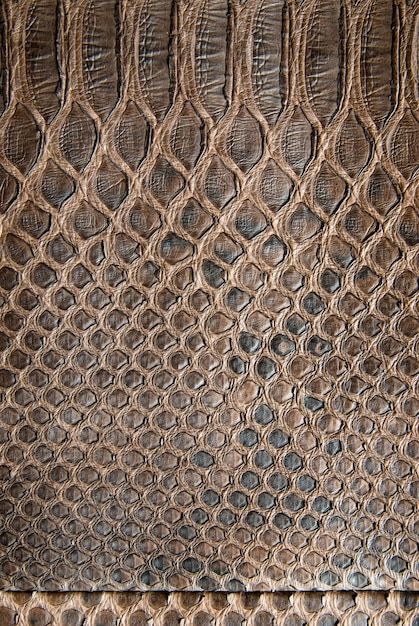
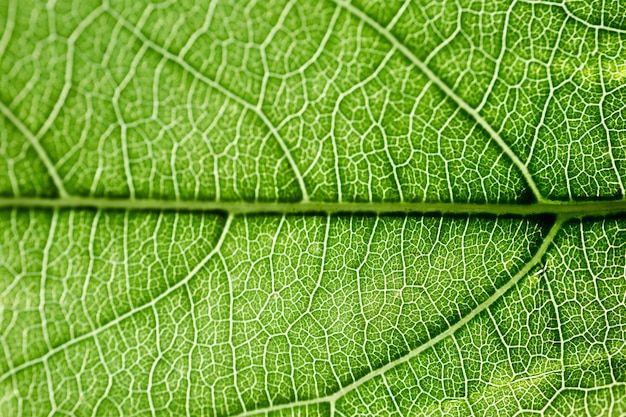
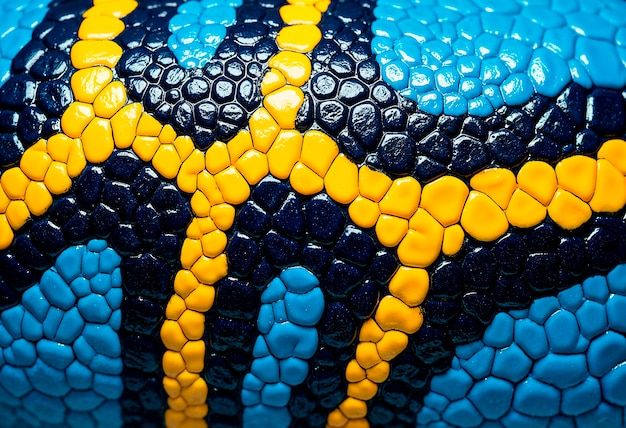
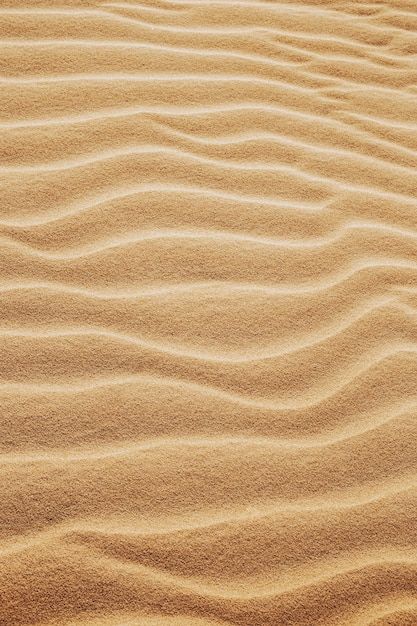
Natural patterns are regular structures produced by physical, biological, and mathematical processes operating in living organisms and non-living physical systems. For surface pattern designers, patterns in nature are among the most important reference sources - providing the visual vocabulary of organic geometry, the colour relationships of natural pigmentation, and the structural logic of systems that repeat at multiple scales. The recognition that all natural patterns arise from a small set of underlying mechanisms - symmetry, reaction-diffusion, Fibonacci sequence, fractal iteration - gives surface designers a conceptual framework for generating and analysing naturally-inspired surface design work.
We use cookies to improve your experience and understand how PatternDesigners is used.
Natural patterns are regular structures produced by physical, biological, and mathematical processes operating in living organisms and non-living physical systems. For surface pattern designers, patterns in nature are among the most important reference sources - providing the visual vocabulary of organic geometry, the colour relationships of natural pigmentation, and the structural logic of systems that repeat at multiple scales. The recognition that all natural patterns arise from a small set of underlying mechanisms - symmetry, reaction-diffusion, Fibonacci sequence, fractal iteration - gives surface designers a conceptual framework for generating and analysing naturally-inspired surface design work.
Natural patterns range from highly regular and geometric (honeycomb, crystal lattice, radiolarian) to apparently organic and irregular (leaf venation, river deltas, animal coat markings). The key insight from mathematical pattern analysis is that apparently complex organic patterns are typically generated by simple iterative rules - the Fibonacci spiral seen in sunflower seed heads, nautilus shells, and pine cone scales follows a single mathematical principle. Surface designs that successfully reference natural patterns typically capture the underlying logic (the proportion, the density, the repeat structure) rather than simply copying a surface appearance.
Natural pattern categories identified in the source, each with direct surface design relevance:
Natural patterns that have direct and documented surface design application include:
Natural colour is not addressed as a structural category in this entry - it is covered in the individual colour-group type pages. The structural patterns of nature are colour-independent: they describe how forms are organised, not what colours they are.
The study of pattern in nature connects mathematical science to design practice. Key historical figures in this tradition:
Natural patterns are regular structures produced by physical, biological, and mathematical processes operating in living organisms and non-living physical systems.
Natural patterns range from highly regular and geometric (honeycomb, crystal lattice, radiolarian) to apparently organic and irregular (leaf venation, river deltas, animal coat markings).
Fundamentals
Tessellation and Symmetry
Natural colour is not addressed as a structural category in this entry - it is covered in the individual colour-group type pages. The structural patterns of nature are colour-independent: they describe how forms are organised, not what colours they are.
The study of pattern in nature connects mathematical science to design practice.
Geometric Pattern, Animal Pattern, Floral Pattern, Botanical Pattern, Wave Pattern, and Leopard Pattern